


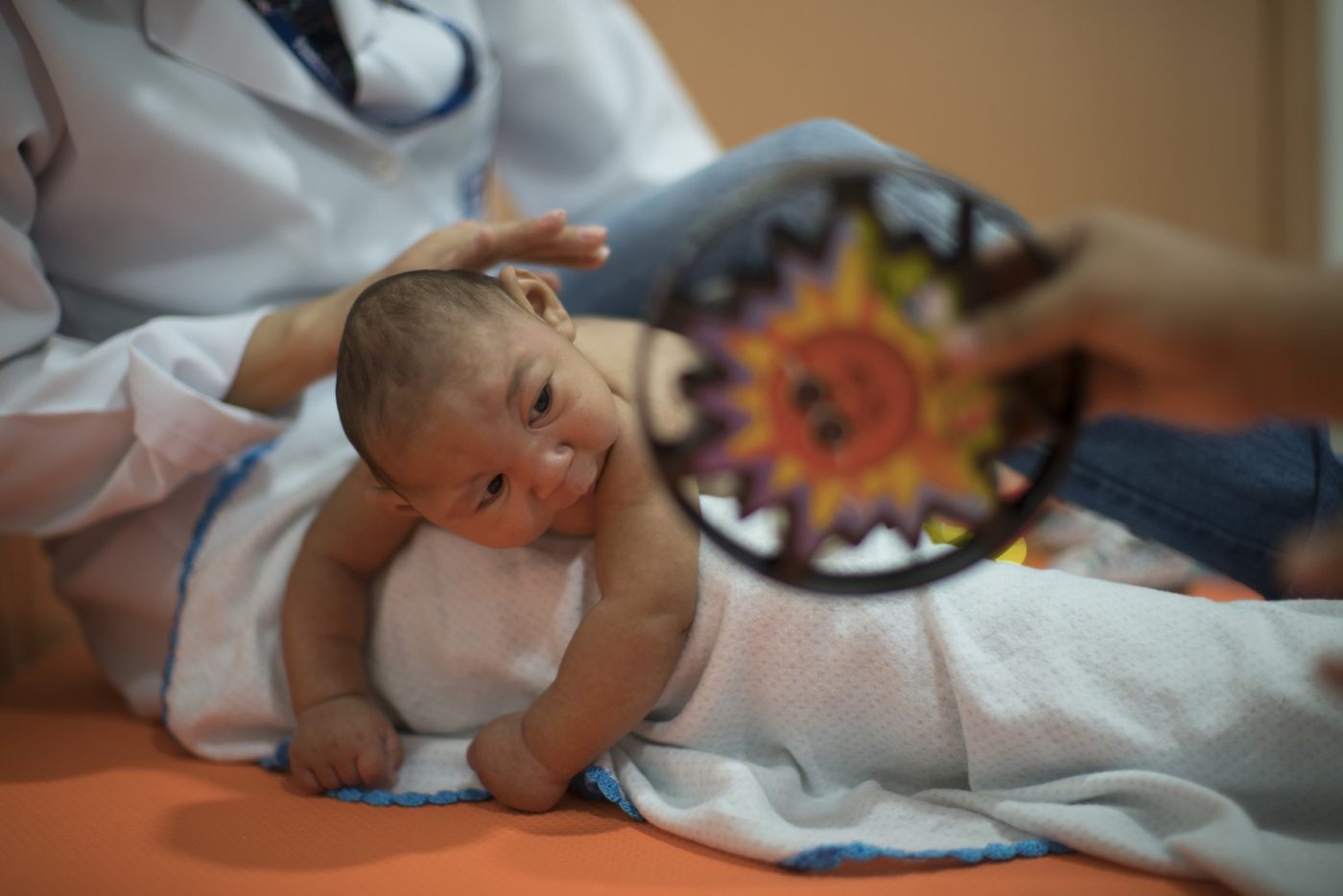
Humanae Vitae has, in its history, been challenged by events. There have been debates about the use of condoms as prophylactics and the morality of contraception in irregular sexual activity. But the outbreak of Zika in the (southern) Americas presents us with an altogether more direct problem. Zika is an infection caught from the Aedes aegypti mosquito. It is strongly suspected, though not fully proven, that, in some pregnant women, it causes microcephaly in the foetus. (Microcephaly is a severe shrinkage of the brain, which damages brain function.) The World Health Organisation predicts that some four million people in the Americas will be infected with Zika this year. And here lies the problem. The obvious and sensible precaution is to avoid pregnancy until the situation is under control. Unlike other attempts to circumnavigate orthodox doctrine, this precaution is explicitly and intentionally contraceptive. The intention may be benign but the contraceptive action is held to be intrinsically evil. This is emphasised in Humanae Vitae, echoing Casti Connubii, “(It) is absolutely required that any use whatsoever of marriage must retain its natural potential to procreate human life.” Bearing in mind that absolute commands may be hostages to fortune, the Hierarchy face a dilemma. Once it is accepted that artificial contraception is justified by benign intention, we open a gate we cannot close. But the options are not attractive. Can we imagine the likely effects of proclaiming that married couples should refrain from sexual activity for an indefinite period? Might presenting this on the grounds that no contraceptive method is perfect be seen as disingenuous? Should all couples in the 21 countries at risk immediately master and use natural family planning? Or is it enough to keep quiet, and hope that no one asks any questions?
10:39 AM
The Zika outbreak presents the Church with a major dilemma
As the virus spreads across Latin America, will the Catholic Church keep its thoughts to itself?
Quentin de la Bedoyere

2 min read



Already a subscriber? Sign in
5freearticles every month
Continue reading with a free account. No card needed.
- Five free articles every thirty days, on any device you sign in on
- The Catholic Herald newsletter, every morning
- Subscribe whenever you like for everything: every article and the magazine
Related articles
 Newsroom
Church leaders urge Drumcree dialogue: ‘Too much is at stake’
The Catholic and Church of Ireland Archbishops of Armagh have urged a renewed commitment to peace and reconciliation amid the Drumcree stand-off
Corrie Douglas-Young Newsroom
Thousands of Irish children to join global Rosary campaign
Corrie Douglas-Young Newsroom
TikTok priest urges young people to stand with persecuted Christians
Nathalie Raffray Newsroom
Baby born at 25 weeks reunites with neonatologist two years after leaving hospital
The Catholic Herald Newsroom
Joe Biden honoured by Planned Parenthood after defending abortion rights
Christine Rousselle
subscribe to the catholic herald today
Our best content is exclusively available to our subscribers. Subscribe today and gain instant access to expert analysis, in-depth articles, and thought-provoking insights—anytime, anywhere. Don’t miss out on the conversations that matter most.
Subscribe



