Whether it was a second consistory, or just the second part of a larger whole, remains to be seen, but the weekend’s gathering of the College of Cardinals proved largely uneventful. If anything, the real treasure was the friends they made along the way, because the conversations were so vague and generic that little specific action could be attributed to the event.
What then are the takeaways from the June two-day consistory? Certainly, consistories are here to stay, and that in itself is very welcome news after the dearth of consistories during Pope Francis’s reign. The College of Cardinals must meet with itself and the Pontiff, and in this sense a healthy normality is returning.
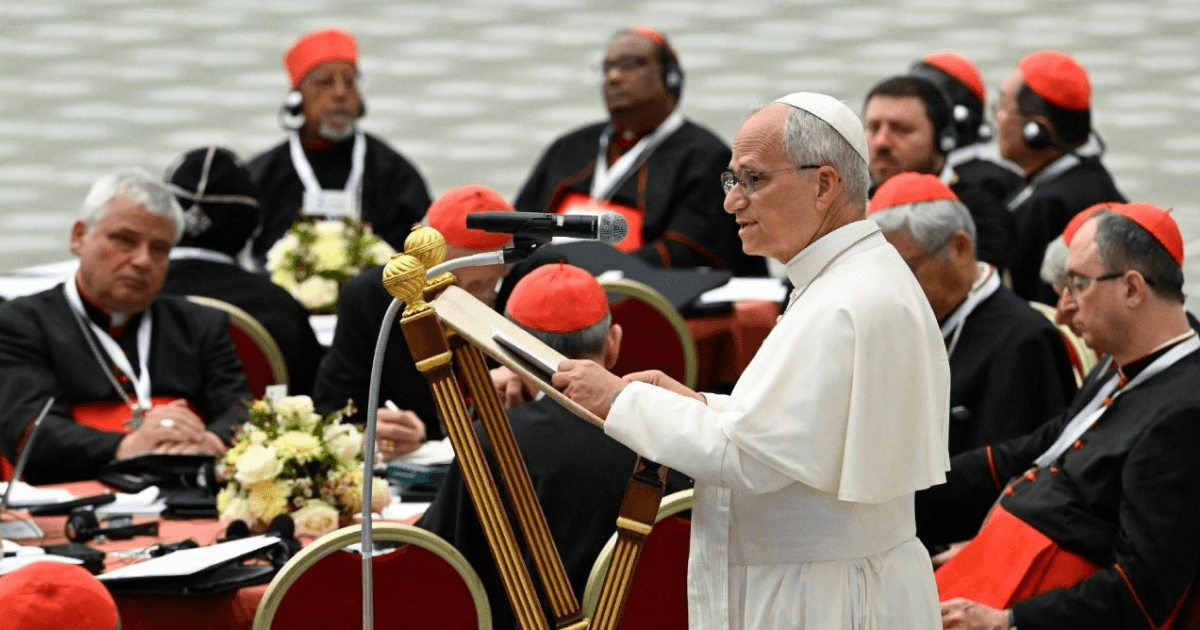
Another element that appears set to remain is the small-table group discussions which have largely replaced open plenary interventions. This format made its debut under Francis in 2022, grew to new prominence during the synod and has now been cemented in the Vatican’s operational style.
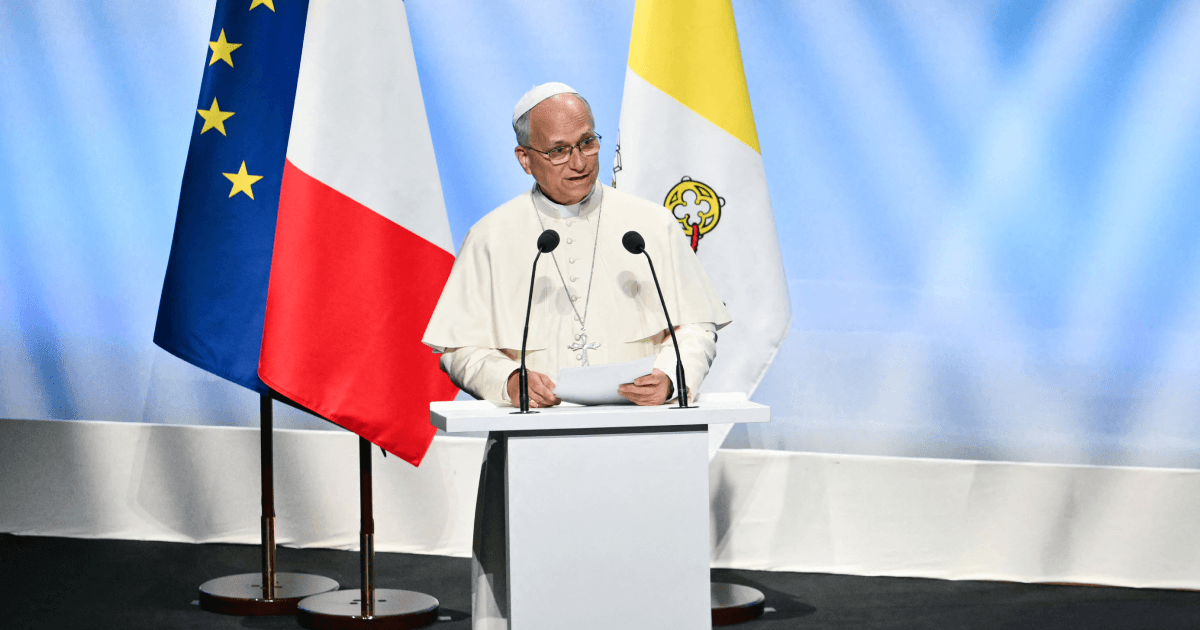
This is in part linked to synodality – not least because it appears, unofficially, that the Synod Secretariat has an influential role in the consistories. Leo emphasised the synod’s role in the Church’s future during his closing address, describing it as a “spiritual style” and self-reflective method:
“It seems to me that the question of synodality is not first of all: ‘Who has the power to decide?’. The question is deeper: ‘How do we together guard the gift that the Lord has entrusted to His Church?’”
Reflecting on the synod, Leo commented that “the real question is not how many conversations we will be able to organise, but what evangelical quality our meetings will have.” This is something many critics of the synod would agree with, though they might be less laudatory about the efficacy of the synod itself.
But that too is here to stay, as Cardinal Mario Grech made clear during his briefing for the College on Saturday afternoon. The synod’s implementation phase, he announced, “becomes a new stage in the reception of the Second Vatican Council and in the missionary renewal of the Church within the concrete realities of ecclesial life.” Next on the Vatican’s synod calendar is the build-up to the Synodal Assembly of 2028, the efficacy of which, in Leo’s own words, will have to be judged by its evangelical quality and results.
Another key issue was peace, as numerous cardinals welcomed Leo’s frequent calls for peace and made their own during the consistory. The Pope confirmed them in this, stating: “God desires peace for every nation and for every people. For this reason we must not resign ourselves to violence.”
If anything, this was the most notable fruit of the consistory: a unanimous call for peace by the College and the Pontiff. Yet, as cardinals told me over the weekend, more is needed from a consistory, and the Church should not content Herself with simple platitudes about a desire for peace.
“There’s good harmony between the Pope and the cardinals among themselves,” Cardinal Gerhard Müller told me after the consistory. But in no small part, it appears such harmony is made easier when contentious issues are deliberately left off the agenda.
For instance, though this consistory was organised as the second part of January’s, it did not deal with the contentious topic of the liturgy, something the cardinals did not discuss in January. Instead, its focus was more sociological and generic, uniting the cardinals in rightly lamenting social crises and the decline of the family while avoiding having them do much about either.
The Just War Doctrine was not discussed properly, nor was the question of the Society of Saint Pius X, a notable absence, especially given that the Society addressed the College as a whole just days ago and its episcopal consecrations are now only two days away.
A critic might well observe that more disunity would be revealed within the College if topics of real substance were placed before the cardinals and if plenary discussions were afforded greater prominence.
How, then, does the consistory reveal Leo’s style of governance? By reinstating it on an annual basis, Leo has shown that he values discussion and the forum for meeting itself. He also told the cardinals on Saturday:
“I believe that, little by little, we are rediscovering the most authentic meaning of the Consistory: the gathering of the College of Cardinals around the Successor of Peter so that, in mutual listening and common discernment, the Holy Spirit will help the Pope lead the Church.”
Whereas Francis often led through dictate and made decisions based on personal leanings – a style that excluded the College – Leo places greater traditional emphasis on the College’s role. But by avoiding discussion of the internal issues of greatest substance, it appeared that either he or the Papal Household does not yet consider the consistory a suitable forum for such weighty discussions.
The process behind his encyclical Magnifica Humanitas demonstrates that. It was written in private, far from the influence of the College, and then presented to the cardinals afterwards for discussion at the consistory. Leo values the College and the consistorial format, but he is keeping a polite yet firm hold on his regnal power.
Another sign of this came during his homily for the feast of Ss Peter and Paul, during which Leo gave what could readily be understood as a thinly veiled rebuke of the SSPX.
“Communion within the Church is not built by clinging rigidly to one’s own position, but by seeking, in all hearts, points of encounter in the Truth, in whose light alone each person becomes a means of growth for another.”
Unity is a defining theme of Leo’s pontificate, especially given the chaos he inherited. Consistories help rebuild that damaged unity he so clearly desires, but only if the conversation is carefully controlled and deliberately steered.
Michael Haynes is an English journalist in the Holy See Press Corps. He serves as Vatican Correspondent and Analyst for Pelican+ and the Catholic Herald, while readers can follow him at Per Mariam and on X/Twitter @MLJHaynes.