

The United States Conference of Catholic Bishops (USCCB) issued a video message for Yom Kippur, highlighting the need for dialogue between Catholics and Jewish people and the commonalities between the two faiths.
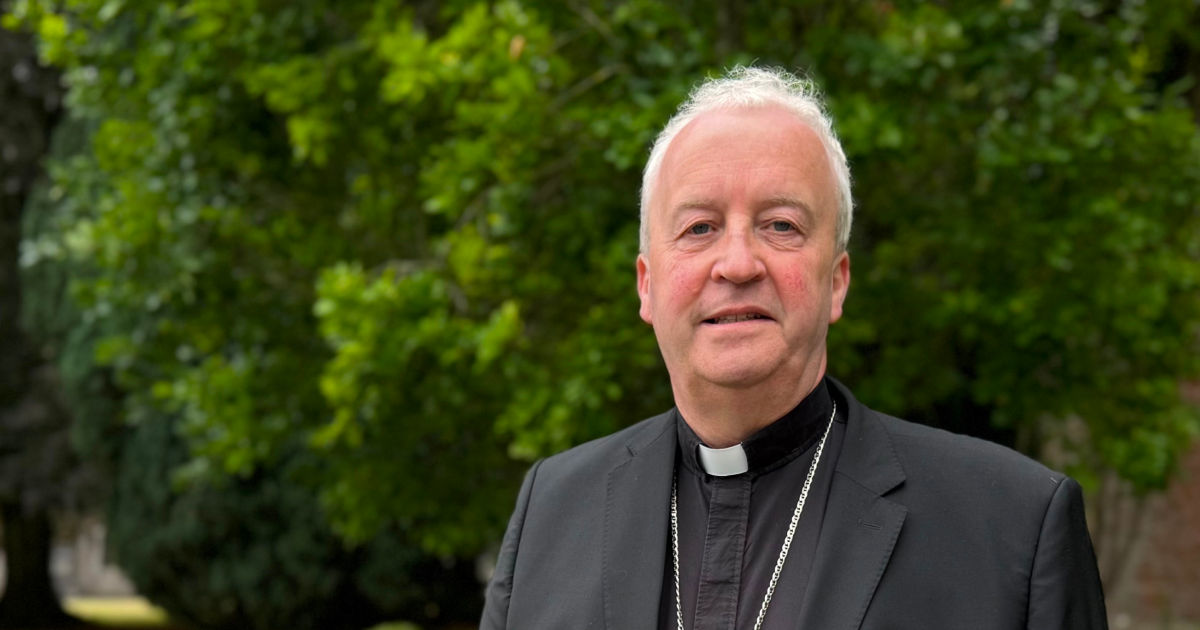
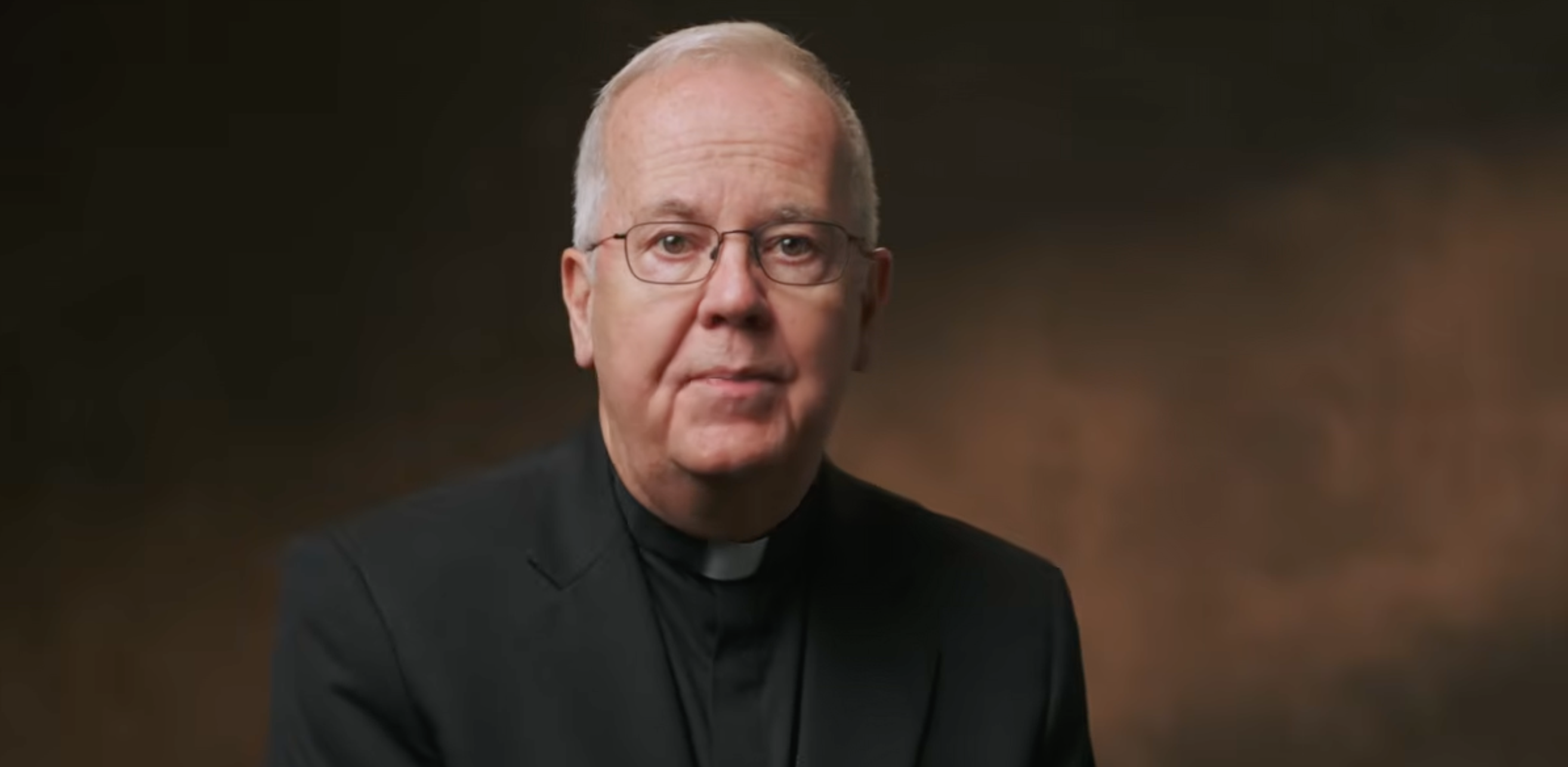
“As our Jewish friends and neighbours observe Yom Kippur, the day of atonement, I want to extend our warmest wishes for a meaningful and peaceful day,” said Bishop Joseph Bambera of Scranton, Pennsylvania in a video released on September 18.
Bishop Bambera is the head of the USCCB’s Committee on Ecumenical and Interreligious Affairs.
Yom Kippur, the holiest day in the Jewish calendar, began at sunset on September 20 and will last through sunset on September 21, 2026.
It is a day “marked by fasting, prayer and repentance; and by seeking reconciliation with God and with one another”.
In the Jewish calendar, Yom Kippur is on the 10th day of the month of Tishrei; Rosh Hashana, the celebration of the new year, is on the first day of Tishrei.
The juxtaposition of these days, said Bishop Bambera, “invites a searching examination of the year that has passed, and a commitment to the year ahead”.
“At the heart of this observance is the recognition that our relationships with God and with one another call us continually to reflection, repentance, and renewal – to consider how we can live more faithfully and more generously,” he said.
The concepts of reflection, repentance and renewal “also resonate deeply with us as Catholics,” said Bishop Bambera, adding: “Our relationship with the Jewish people is not simply a matter of dialogue between two religious communities; it is rooted in the deep spiritual bonds that unite us.”
Building a “genuine friendship” between the two faiths is something that “matters so deeply”, said Bishop Bambera, calling for a rejection of antisemitism “in all its forms”.
“As Catholics, we are called not only to oppose antisemitism when it appears, but also to deepen our understanding of Judaism and the Jewish people. The relationships that have grown between our communities, particularly through the promulgation of Nostra aetate, remind us that dialogue is not merely an exchange of ideas.”
Nostra aetate was a document from the Second Vatican Council that centred on the relationship between Catholics and non-Christian religions.
Dialogue at its best, said Bishop Bambera, “creates friendships, builds trust, and helps us recognise our responsibilities towards one another”.