August 29, 2026

Vatican presses Russia for peace as Pope Leo receives Britain’s envoy

Michael Haynes
More
Related
Min read
share

As Britain’s new ambassador to the Holy See presented her credentials to the Pope, the Pontiff demonstrated once again that the liturgy wars are very much still alive, whilst over in Russia the Vatican’s foreign minister urged an end to the Ukraine war.

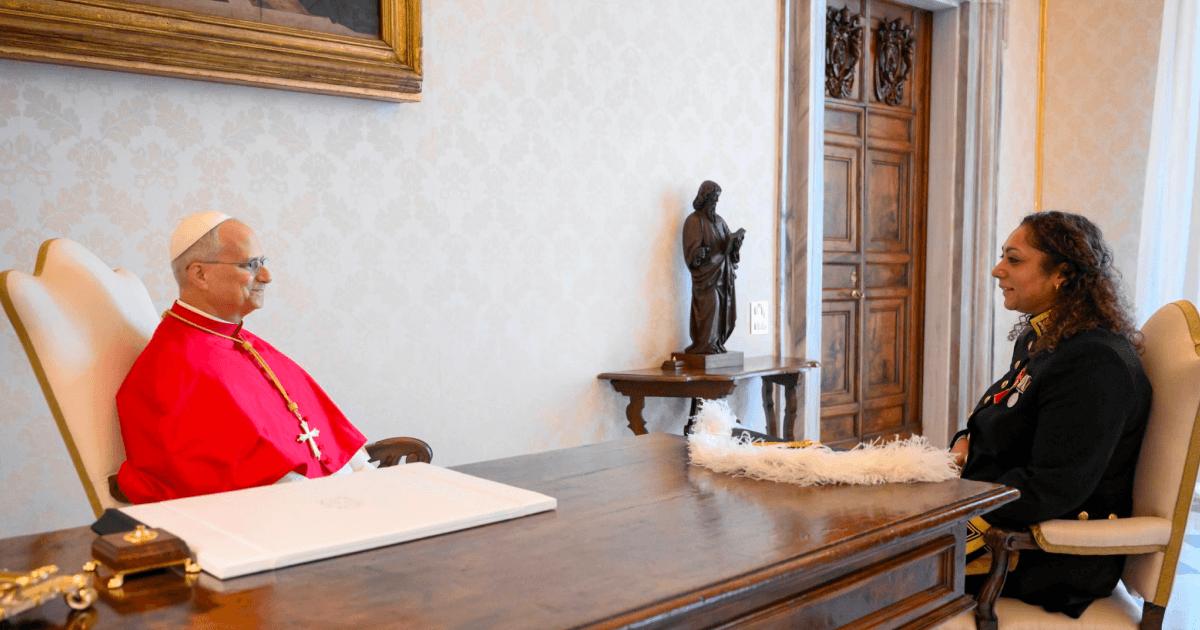
On Friday morning, Tarandip Kaur Sandhu (or Tammy as she is known) presented her credentials to Pope Leo, during the formal meeting marking the early days in her role as Britain’s ambassador to the Holy See. She replaces Chris Trott, who held the role for five years and most recently served as Consul General in San Francisco.
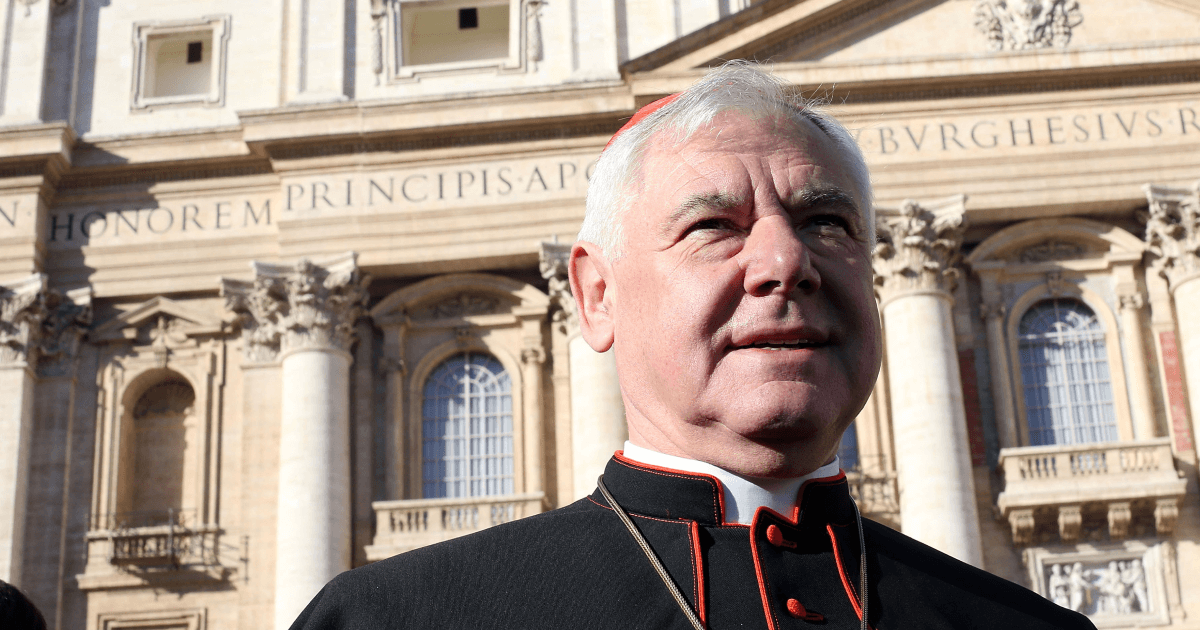
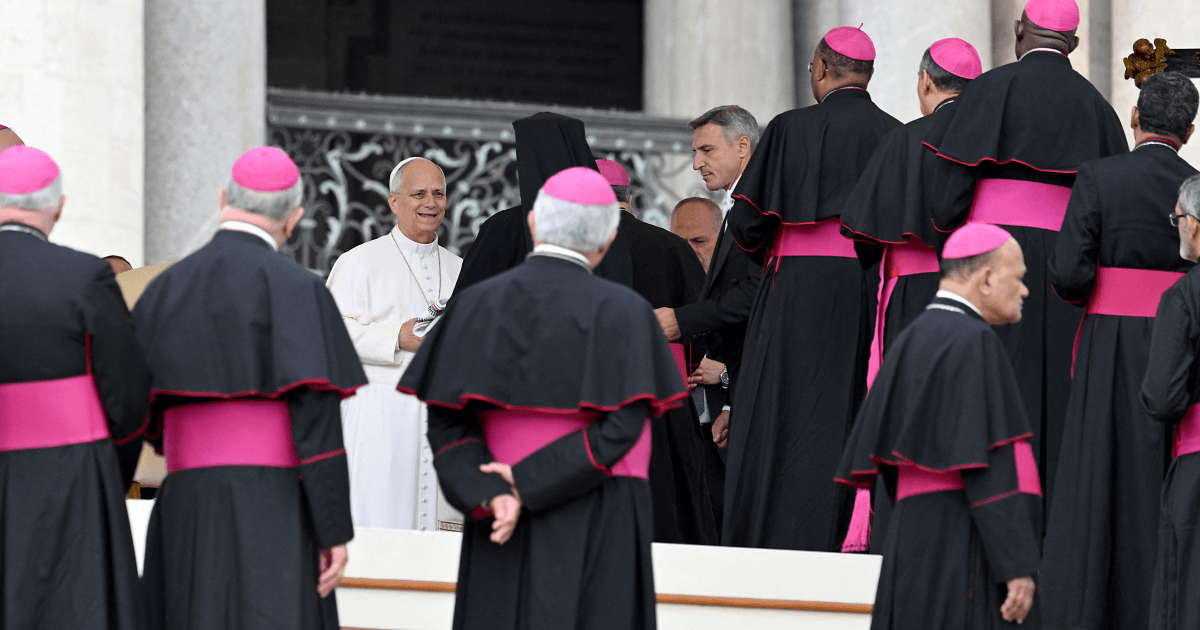
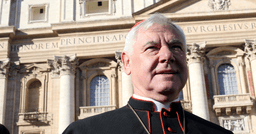
At the same time, a fellow UK diplomat was many hours further east, relaying the Holy See’s message of peace to Moscow. Archbishop Richard Gallagher, the Vatican’s Secretary for Relations with States and International Organizations, spent the past week meeting with officials from the Russian government, the Russian Orthodox Church and members of the local Catholic community.

It was a visit bedecked with great significance, since it was the first such visit by a senior official from the Vatican’s Secretariat of State since the Russia-Ukraine war began in 2022. Gallagher last visited in November 2021.

After meeting with Russia’s foreign minister Sergey Lavrov, Gallagher declared at a joint press conference that the war “must end”. The somewhat unassuming figure was juxtaposed with the firm words he delivered to the Russian government, outlining that the Holy See is firmly convinced “the conflict cannot be resolved by military means. It is essential to create the conditions for a serious political and diplomatic process.” The unannounced and highly unusual visit of CIA director John Ratcliffe to Moscow at the same time served only to heighten interest in the diplomatic meetings taking place in Russia, although the two missions remained separate.

Gallagher also ensured that relations were maintained with the Russian Orthodox Church, as he visited his counterpart at the Moscow Patriarchate, Metropolitan Anthony of Volokolamsk. The Patriarchate said of the meeting that Gallagher had also been provided with information regarding the “persecution of the Ukrainian Orthodox Church by the Ukrainian state authorities”.

The voyage concluded with a Mass for the Catholic community in Moscow’s Cathedral of the Immaculate Conception, where Gallagher assured the congregation of Pope Leo’s affinity to them and his gratitude for their work for the faith “often in difficult circumstances”.

The Vatican has consistently sought to leverage its diplomatic power to work for peace between Russia and Ukraine, paying particular attention to brokering the release of prisoners of war and the return of children to their families. Whether its influence extends to the deeper realm of peace deals remains to be seen.

Closer to home, another frontline appears to be just as unstable as ever, as Leo XIV waded into the liturgy wars this week during his general audience. Closing his series of catechesis on Sacrosanctum Concilium, Leo firmly defended the Second Vatican Council’s liturgical reform. The changes were “necessary”, he said, because the liturgy needed to be “more accessible” and “participation of the faithful cannot be passive”.

Leo began his pontificate by expressing his desire to foster unity within the Church. But liturgists have warned that, in reiterating the – well-rebuffed – arguments of the 1960s regarding the manner of participation at the old rite, he risks alienating a very fervent part of the Church. Wednesday’s comments have caused a storm, not least because many Catholics viewed the speech as an indirect message regarding Leo’s position on de-restricting the traditional liturgy. One respected liturgical scholar responded that “His Holiness’ constant calls for unity and inclusivity whilst respecting legitimate diversity stand above such politicking. So too does sound scholarship and actual liturgical history.”

The very next day, Cardinal Robert Sarah delivered a strident critique of Traditionis Custodes and liturgical restrictions based on the form of the rite. “Access to ritual forms that have been recognised and in existence for centuries can never be artificially limited by decrees,” Sarah told Il Giornale. “If a rite did not serve the faith, it would die out on its own; if, on the contrary, it preserves and promotes the faith, let us not limit it, because we would be limiting the preservation and spread of the faith itself.”

Sarah’s words are not simply hollow rhetoric: he has made his appeal to Leo personally for a return to the days of Summorum Pontificum. But his intervention highlights the divide that exists both in Rome and across the wider Church. Sarah is convinced of the benefits of the traditional Mass and of allowing it to grow naturally, whilst his successor as prefect of the Dicastery for Divine Worship is opposed to any such move and furnished Leo with his talking points for Wednesday’s general audience. It is cardinal against cardinal, as peaceful unity remains elusive.

Something that has been widely welcomed, however, is the Pope’s intervention over the use of Rupnik mosaics by the Vatican. Pictures of the disgraced priest’s mosaics had been a regular feature of the Vatican’s online presence for liturgical feasts, but conspicuously disappeared just weeks after Leo XIV was elected.

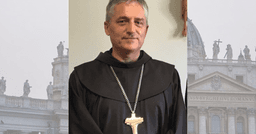
This week, the bishop of Lourdes-Tarbes revealed that Leo had personally ordered the removal of the art. He further noted that Leo would not visit the Shrine of Lourdes while the Rupnik mosaics on the basilica were still visible, thus explaining the recent decision to permanently cover them before the papal trip.

Rupnik’s art is attested to be intimately linked to his alleged abuse, and Leo’s early attention to the issue demonstrates the truth of his revelation on the papal plane last November, that he still pays close attention to the Catholic media.

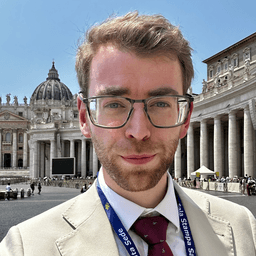
Michael Haynes is an English journalist in the Holy See Press Corps. He serves as Vatican correspondent for the Catholic Herald, while readers can follow him at Per Mariam and on X/Twitter @MLJHaynes.

Continue reading with a free account

Create a free account to read up to five articles each month
Create free account

You have # free articles remaining this month.

Subscribe to get unlimited access.
Sign up

subscribe to the catholic herald today

Our best content is exclusively available to our subscribers. Subscribe today and gain instant access to expert analysis, in-depth articles, and thought-provoking insights—anytime, anywhere. Don’t miss out on the conversations that matter most.
Subscribe