



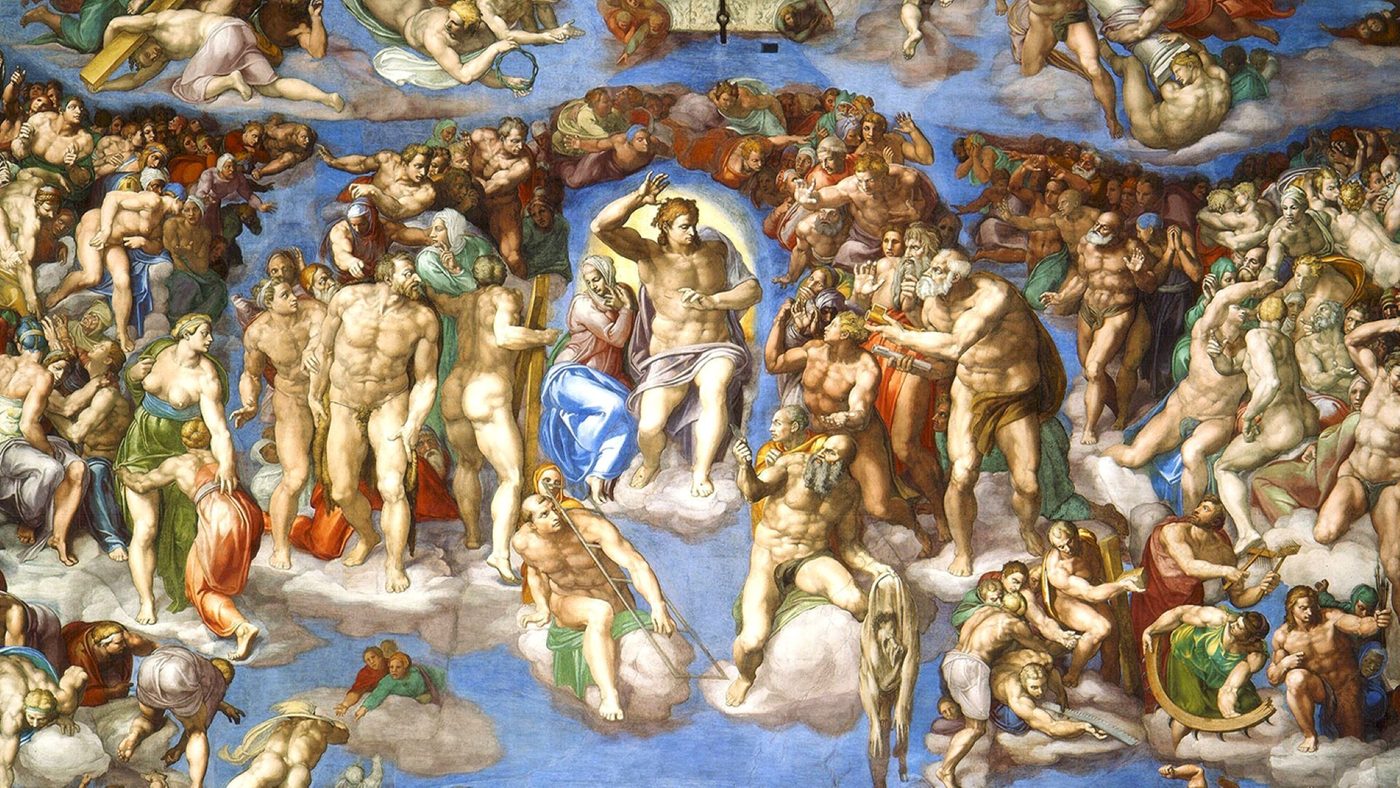
As the Church’s liturgical year draws to its conclusion, the Scriptures point us to the end of all things. Life, as we have known it, will be radically changed by our own inevitable death. Death will not be the end, but a continuation into the fullness of life, bringing us into the presence of God and his judgment. We cannot even begin to imagine how we shall experience God’s presence, but are invited to consider our present life against the certainty of his judgment. The Book of Daniel, reflecting a period of persecution that preceded the coming of Christ, spoke of a time of unparalleled distress that would precede the end. It was a call to endurance, a warning that our journey into the presence of the Lord will not be without its own challenges and reverses. Jesus would express this to his own disciples in terms of the cross that must be embraced by every disciple as a part of the journey. We are not alone on this journey and its struggles. Daniel had assured his generation of a divine providence that watched over God’s faithful people in the figure of Michael the Archangel. Daniel went on to proclaim a sure and certain hope that death would not be the end. The names of the faithful would be written in the Book of Life. “Of those who lie sleeping in the dust of this earth many will awake, some to everlasting life, some to shame and everlasting disgrace. The learned shall shine as brightly as the vault of heaven, and those who have instructed many in virtue, as bright as the stars for all eternity.” The words of Daniel presumed an unbreakable link between what we allow ourselves to become in this present life, and what we shall be for all eternity. As Jesus approached his own Passion and death he adopted the same imagery used by the prophet Daniel. “In those days the sun will be darkened, the moon will lose its brightness and the stars will come falling from heaven.” Rather than interpret this imagery literally, we should take it as a warning that there might well be times in which our lives are turned upside down. This would certainly become the case for the contemporaries of Jesus with the destruction of Jerusalem so soon after his death. For us too, there will be times when life seems to be falling apart. Jesus assured his disciples that, despite their troubles, the day would come when they would see the Son of Man coming with great power and glory. Let us live today, whatever problems it might bring, so as to be ready to greet him when he comes. This article first appeared in the Catholic Herald magazine (13/11/15) Take up our special subscription offer – 12 issues currently available for just £12!
10:00 AM
We are not alone on this journey and its struggles
Let us live today, whatever problems it might bring, so as to be ready to greet him when he comes
Bishop David McGough

3 min read



Already a subscriber? Sign in
5freearticles every month
Continue reading with a free account. No card needed.
- Five free articles every thirty days, on any device you sign in on
- The Catholic Herald newsletter, every morning
- Subscribe whenever you like for everything: every article and the magazine
Related articles
 Newsroom
Church leaders urge Drumcree dialogue: ‘Too much is at stake’
The Catholic and Church of Ireland Archbishops of Armagh have urged a renewed commitment to peace and reconciliation amid the Drumcree stand-off
Corrie Douglas-Young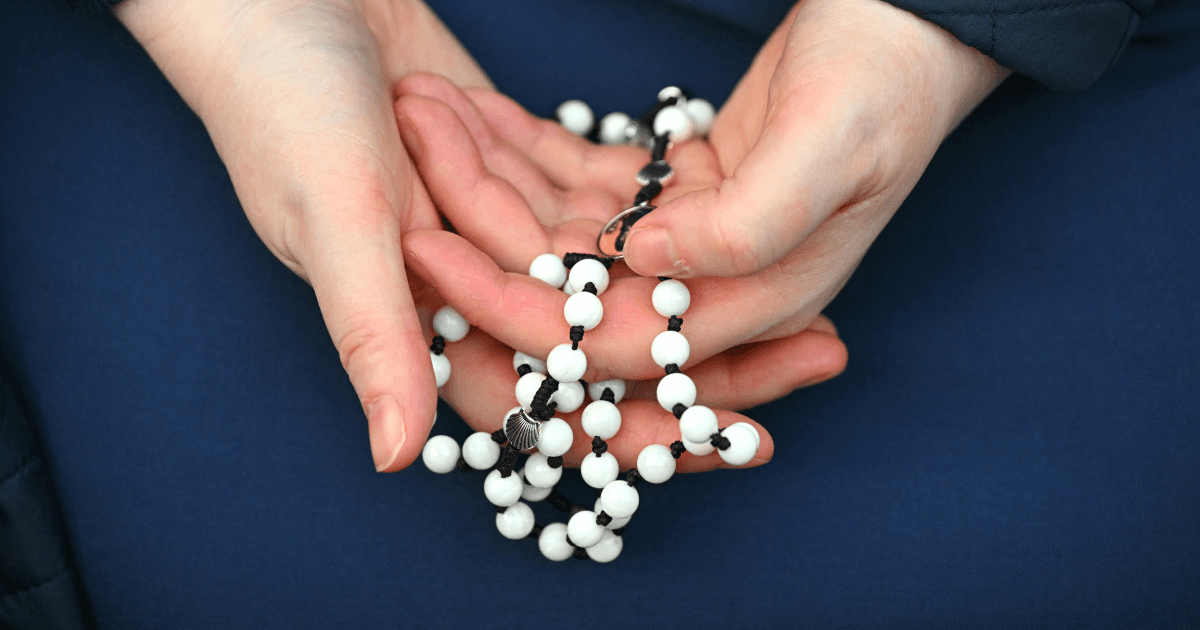 Newsroom
Thousands of Irish children to join global Rosary campaign
Corrie Douglas-Young Newsroom
TikTok priest urges young people to stand with persecuted Christians
Nathalie Raffray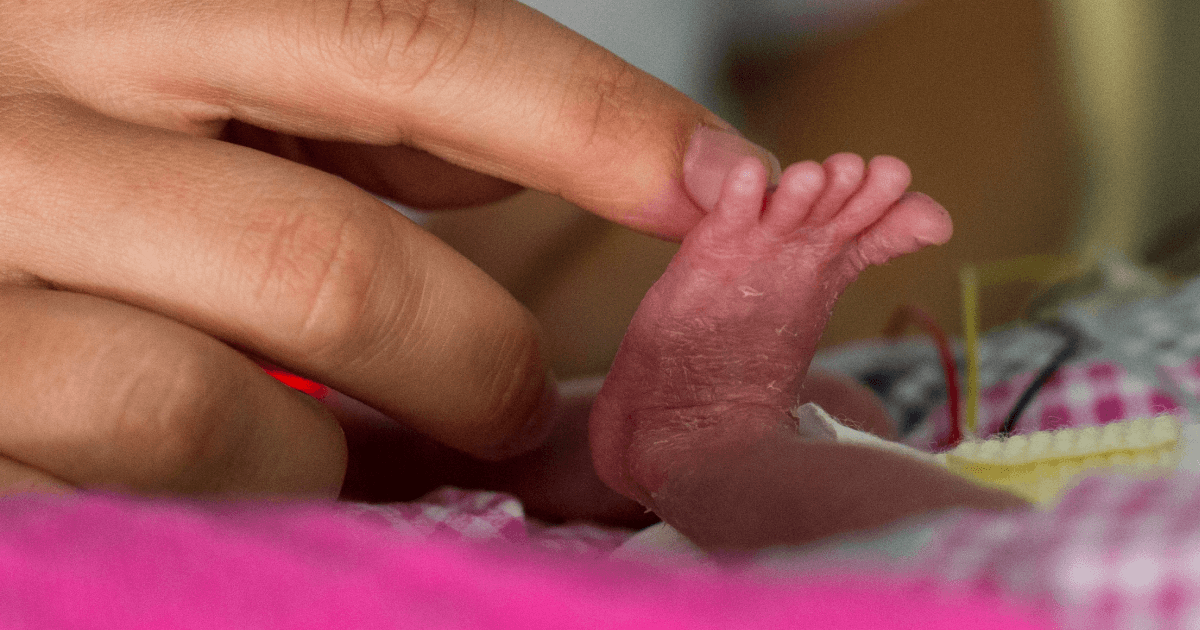 Newsroom
Baby born at 25 weeks reunites with neonatologist two years after leaving hospital
The Catholic Herald Newsroom
Joe Biden honoured by Planned Parenthood after defending abortion rights
Christine Rousselle
subscribe to the catholic herald today
Our best content is exclusively available to our subscribers. Subscribe today and gain instant access to expert analysis, in-depth articles, and thought-provoking insights—anytime, anywhere. Don’t miss out on the conversations that matter most.
Subscribe



