


I am an independent Catholic fundraiser and passionate about my faith. Over the past five years, I have helped dozens of Catholic Charities and non-profits ignite their missions by improving how they fundraise through appeals, grants, campaigns and individual requests. I also run a website, catholicfundraiser.net, where I publish free training material. On June 23, the UK will vote to either remain or leave the European Union. While the focus has been on the economic, political and trade impact of this vote, what does it mean for funding options with regards to Catholic organisations? Several UK Catholic institutions receive funding from EU entities and government agencies. The big question for them is, “what happens to the access of these funds if the UK votes to leave?” The leaders of these outfits are likely to be worried about the prospect of a vote for Brexit and will breathe a sigh of relief if Britain chooses to remain in the EU, knowing that they can still apply for these European pots of money and business can continue as usual. If the UK does decide to leave, those sources of funding from the EU may no longer be available in the future; therefore, Catholic organisations would have to look for different sources of financing. Just last week, the Catholic Herald reported that Auxiliary Bishop William Kenney of Birmingham raised concerns regarding this risk. Groups such as CAFOD, the overseas aid agency of the Catholic Church in England and Wales, Caritas Europe and SCIAF, the Scottish Catholic International Aid Fund, could lose grants following a “Brexit” victory in the referendum on June 23. Representatives of CAFOD and SCIAF, interviewed by the Catholic News Service, would not comment on the possible impact on funding in the result of a Brexit win. Regardless of what happens, I think this situation gives rise to an even bigger question: should Catholic organisations depend at all on government sources of money? From my perspective, I don’t think so. Catholic institutions are playing a high-risk game when they depend on public funding. While these pots of money are quite big, we should recognise where the cultural and political landscapes are leading us. Catholics are more and more pressured to change their core values to qualify for funding. As a result, Catholic organisations risk losing their identity for money. Do we want to risk this? I understand that funding is important because money supports the mission. However, in my view, it’s just too risky to apply for government funding. As an alternative, other sources of money that are lower-risk, align more closely to our Catholic ethos and just as big are becoming available. Currently, ethical and social impact funding are two of the hottest terms in the financial sector. Financial institutions are hunting for organisations which lead high-value social projects and transform communities. This kind of work is what we do best. Therefore, I recommend Catholic agencies lead the field in accessing these funds.
3:11 PM
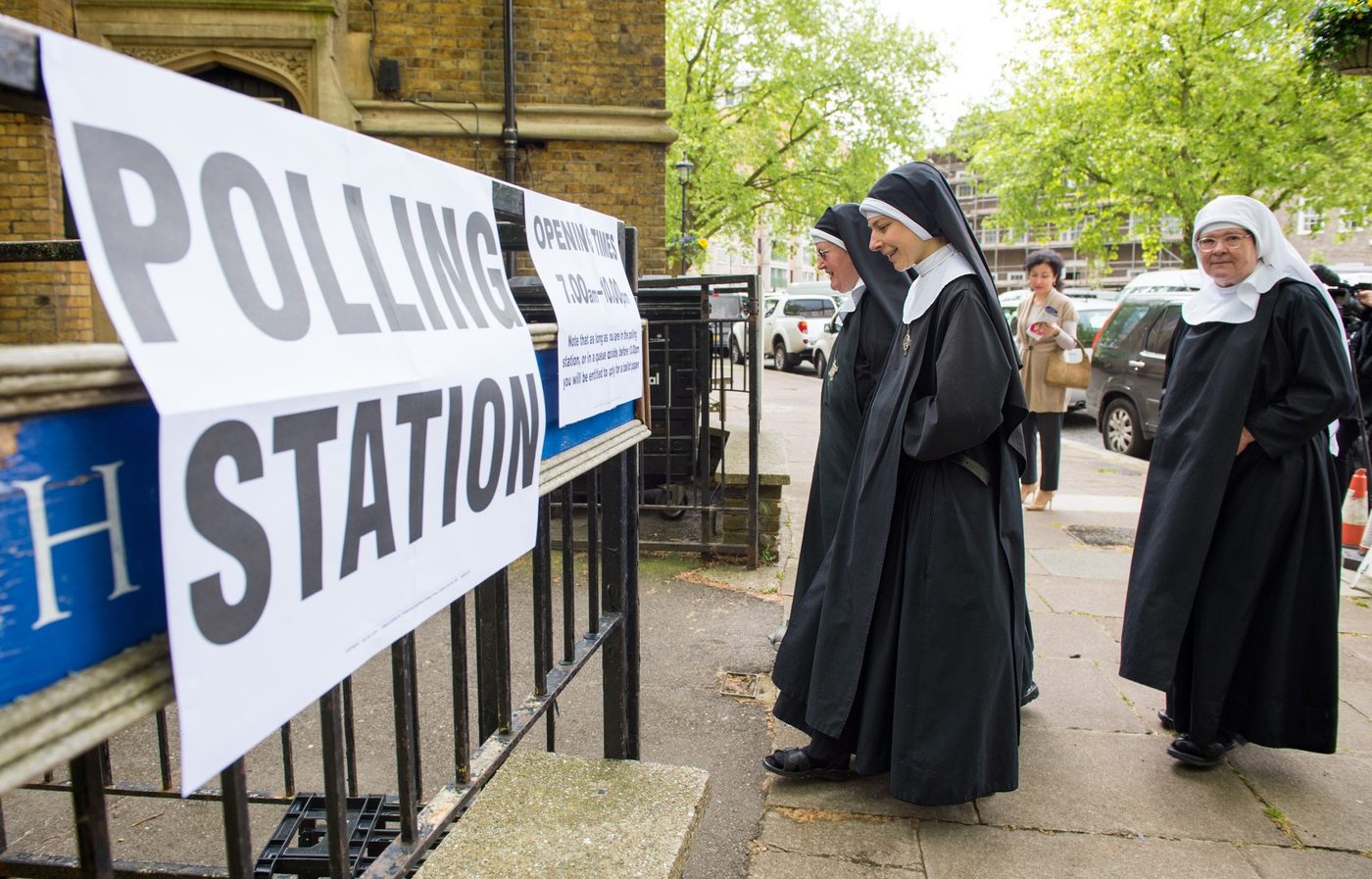
Where would Brexit leave Catholic organisations reliant on EU funding?
Whether Britain votes to leave the EU or not, Catholic organisations should lead the way in accessing funding from non-government sources
Brice Sokolowski

3 min read



Already a subscriber? Sign in
5freearticles every month
Continue reading with a free account. No card needed.
- Five free articles every thirty days, on any device you sign in on
- The Catholic Herald newsletter, every morning
- Subscribe whenever you like for everything: every article and the magazine
Related articles
 Newsroom
Church leaders urge Drumcree dialogue: ‘Too much is at stake’
The Catholic and Church of Ireland Archbishops of Armagh have urged a renewed commitment to peace and reconciliation amid the Drumcree stand-off
Corrie Douglas-Young Newsroom
Thousands of Irish children to join global Rosary campaign
Corrie Douglas-Young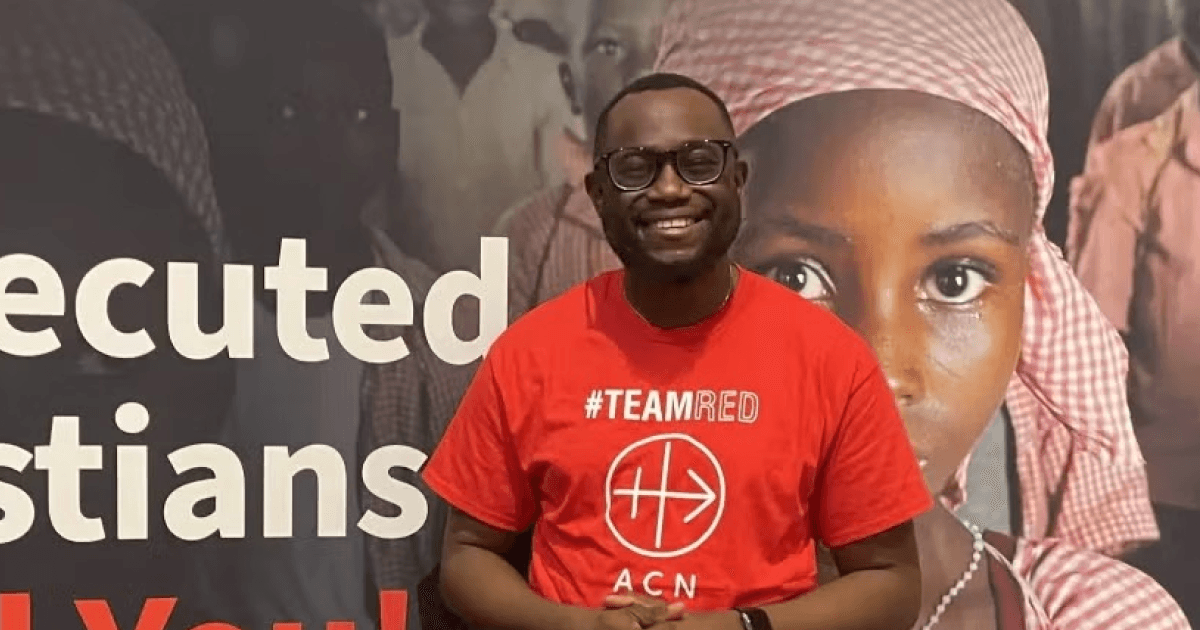 Newsroom
TikTok priest urges young people to stand with persecuted Christians
Nathalie Raffray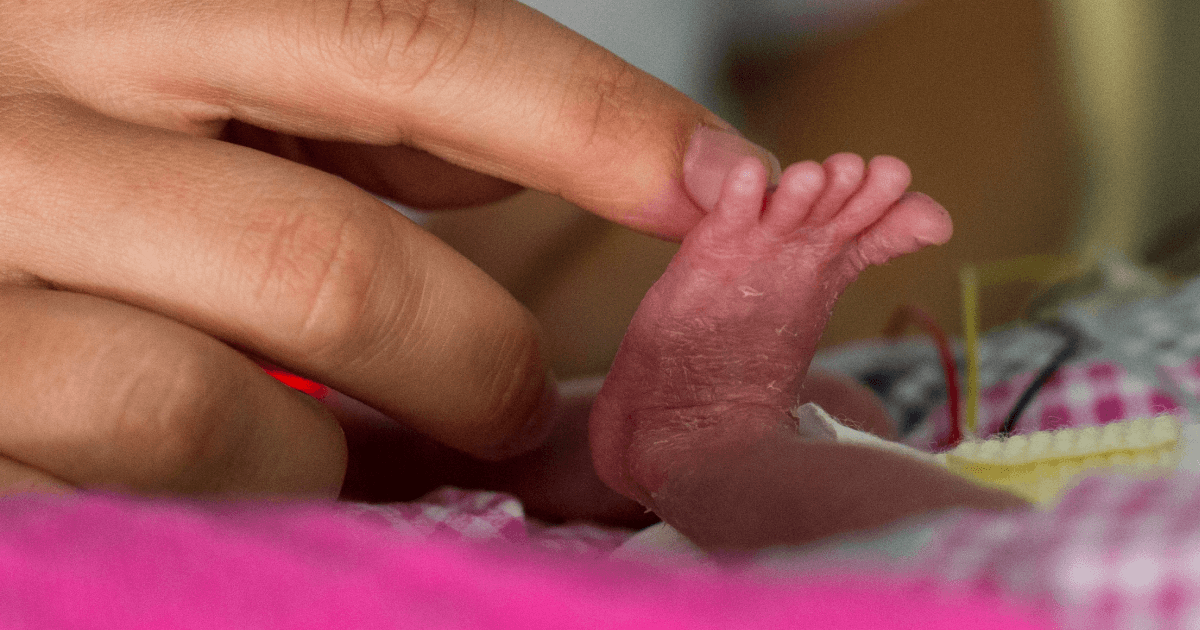 Newsroom
Baby born at 25 weeks reunites with neonatologist two years after leaving hospital
The Catholic Herald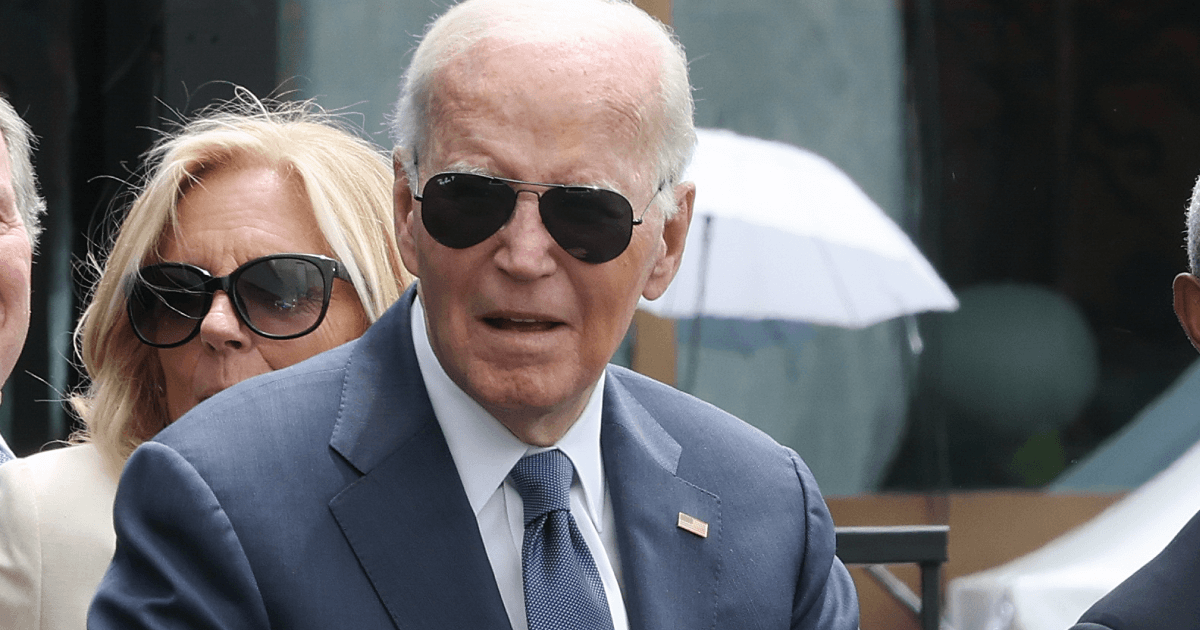 Newsroom
Joe Biden honoured by Planned Parenthood after defending abortion rights
Christine Rousselle
subscribe to the catholic herald today
Our best content is exclusively available to our subscribers. Subscribe today and gain instant access to expert analysis, in-depth articles, and thought-provoking insights—anytime, anywhere. Don’t miss out on the conversations that matter most.
Subscribe



