



It is nice to know that there is someone out there who thinks what I think. I mean of course Andrew Brown over at the Guardian’s Comment is Free who has written an excellent piece on how militant secularists fail to understand the rules of secular debate. I urge you to read what he has to say here. Brown refers to an earlier posting by Julian Baggini which invokes the philosophy of John Rawls – one of the philosophers who is the subject of my doctoral thesis as it turns out. We need to listen to Rawls now more than ever, I think, as he does provide us with a way out of the “dialogue of the deaf” which much talk of religion has become these days. There is a good if dense article about Rawls provided by the Stanford Encyclopaedia of Philosophy here. Why is Rawls important? First of all, he provides us with a way of understanding pluralism and living with pluralism: we all have our belief systems which we all believe to be true, but rather than concentrating on their mutual incompatibility, we can act in a way that springs from shared values. Thus Catholics and atheists, though approaching the problem from very different angles, can join together in combating poverty. Catholics and atheists can find common ground, or what Rawls calls an “overlapping consensus”. The second thing that Rawls points out is that religious people are welcome (as is everyone else) to the conversation, but they must express what they want to say in a way that is accessible to all. (He calls this “The Proviso”.) This is illustrated by the Catholic Church’s approach to the question of abortion. The Church never invokes Scripture when talking of abortion, because scriptural authority is not universally recognised. Rather the Church speaks about the right to life, because the language of rights is something, in theory at least, that can be grasped by all, irrespective of their religious beliefs or lack of them. What Brown and Baggini are pointing out is that many secularists are not being Rawlsian enough: they are failing to engage with the language of universal reason, and failing to credit that Catholics and other religious people, when they speak, speak reasonably. Funnily enough, one person who does seem committed to the Rawlsian approach is Polly Toynbee. She writes:
1:45 PM
Why religion can never be 'a private matter'
Religious-secular debate continues to be a dialogue of the deaf
Fr Alexander Lucie-Smith

4 min read



Already a subscriber? Sign in
5freearticles every month
Continue reading with a free account. No card needed.
- Five free articles every thirty days, on any device you sign in on
- The Catholic Herald newsletter, every morning
- Subscribe whenever you like for everything: every article and the magazine
Related articles
 Newsroom
Church leaders urge Drumcree dialogue: ‘Too much is at stake’
The Catholic and Church of Ireland Archbishops of Armagh have urged a renewed commitment to peace and reconciliation amid the Drumcree stand-off
Corrie Douglas-Young Newsroom
Thousands of Irish children to join global Rosary campaign
Corrie Douglas-Young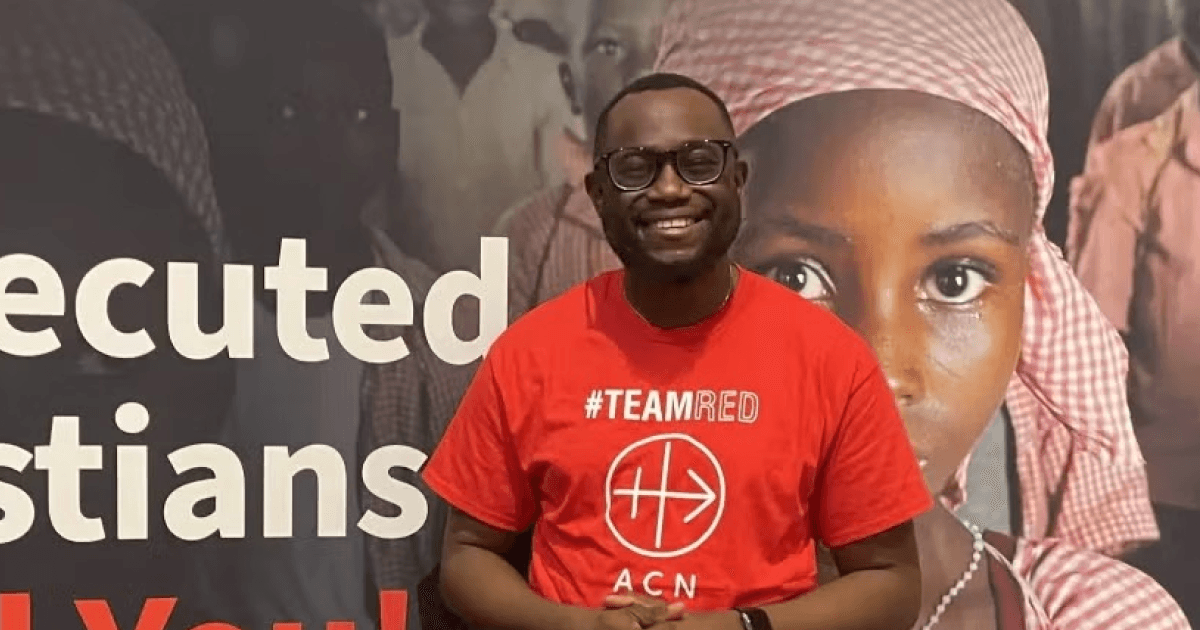 Newsroom
TikTok priest urges young people to stand with persecuted Christians
Nathalie Raffray Newsroom
Baby born at 25 weeks reunites with neonatologist two years after leaving hospital
The Catholic Herald Newsroom
Joe Biden honoured by Planned Parenthood after defending abortion rights
Christine Rousselle
subscribe to the catholic herald today
Our best content is exclusively available to our subscribers. Subscribe today and gain instant access to expert analysis, in-depth articles, and thought-provoking insights—anytime, anywhere. Don’t miss out on the conversations that matter most.
Subscribe



