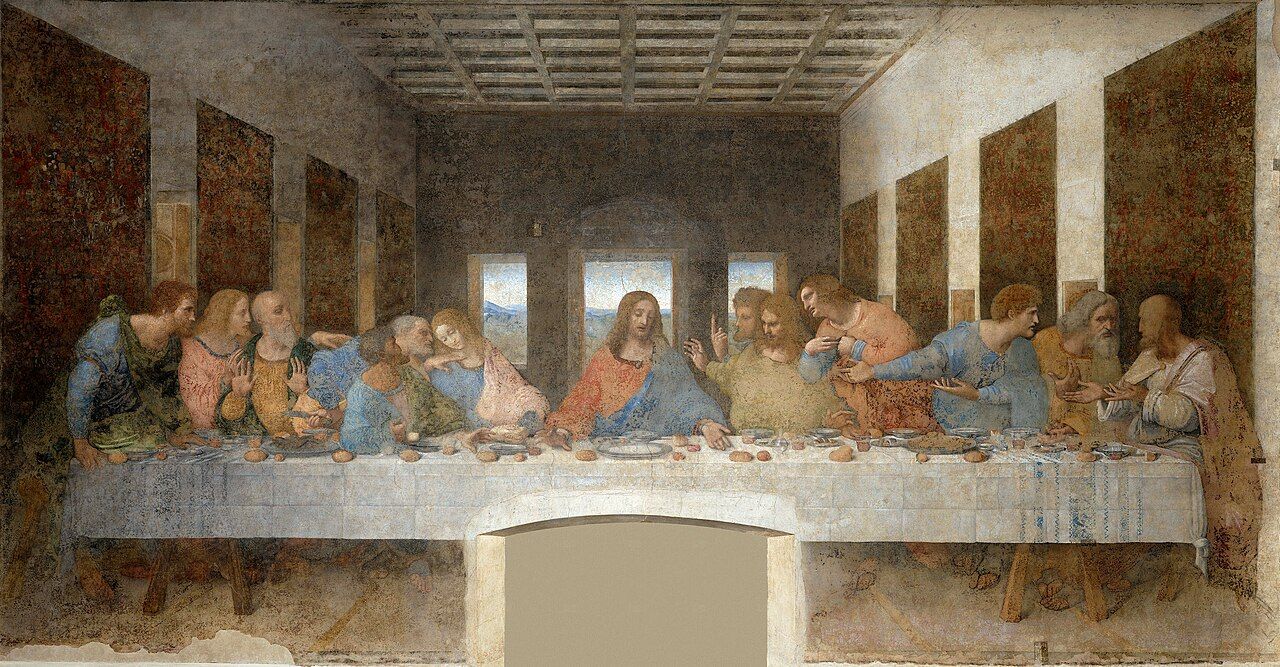






Leonardo da Vinci’s Last Supper sprang to prominence in the public mind during the summer, when a pastiche of the work was presented by a group of assorted drag queens and lesbians offering a distorted pantomime as an act of contemptuous transgression. It was almost certainly intended to be a poke in the eye for the Catholic Church, whose moral teachings form a rebuke to a quest for an unrestrained hedonism.
The organisers set out to reproduce the classic moment of intimacy between Jesus and His apostles, replacing the night before Christ’s crucifixion with a panoply of alternative, sexualised characters. In choosing one of the most profoundly beautiful objects of art as a launching pad for mockery and denigration, it was as if they invited viewers to engage in a comparison between two worldviews, two cultures and two civilisations.