




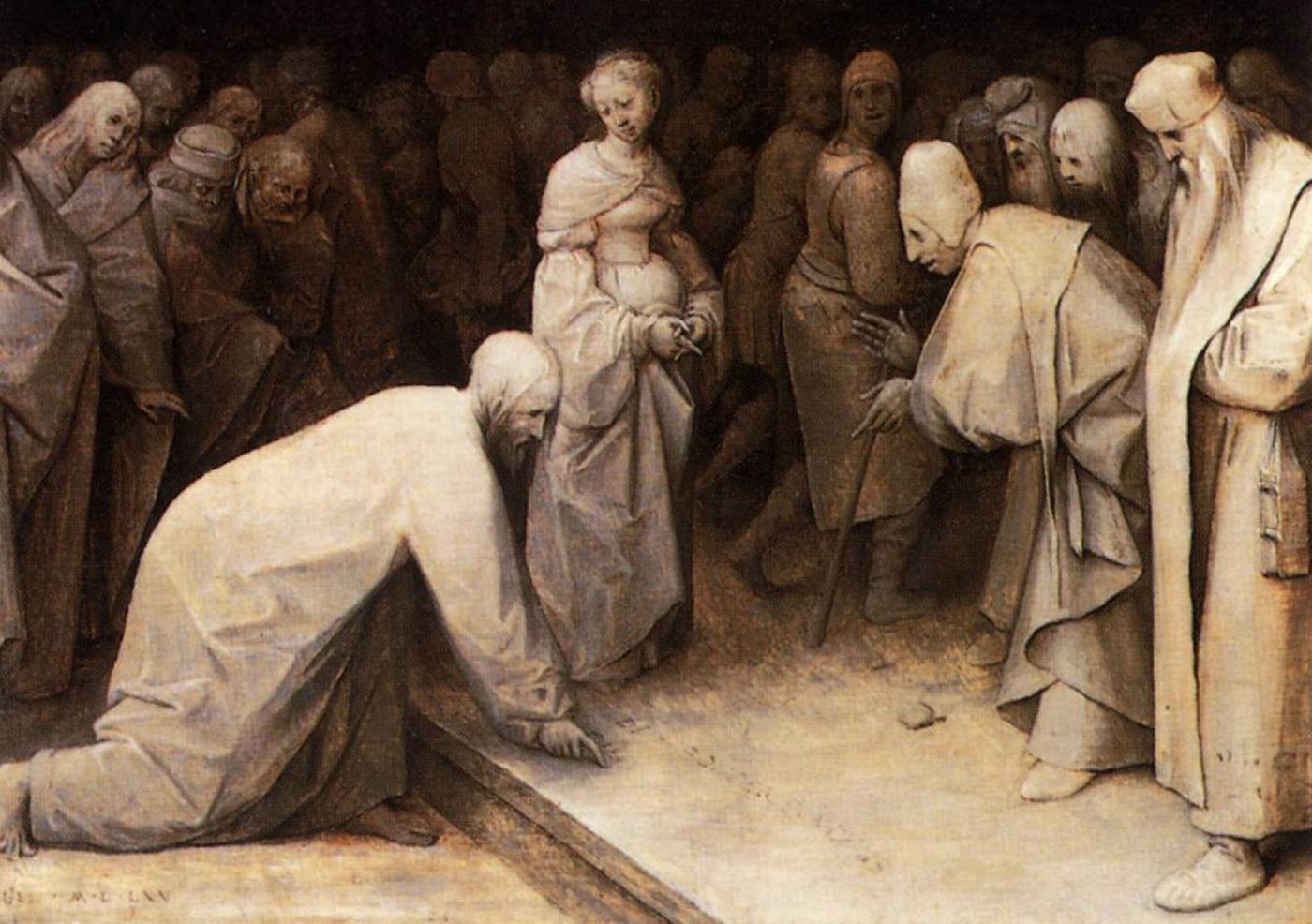
St John’s account of the woman taken in adultery is a searching examination of our attitudes to repentance, mercy and forgiveness. Significantly, the account does not question the guilt of the woman brought to Jesus. According to the strict letter of the law her guilt had been established beyond doubt, thereby meriting the prescribed sentence of stoning. Jesus moved the focus from the guilt of the woman to the dispositions of those calling for her death. “If there is one amongst you who has not sinned, let him be the first to throw a stone at her.” Not surprisingly, the crowd melted away, leaving Jesus alone with the woman. He alone spoke words of mercy. “Neither do I condemn you. Go away, and sin no more.” There is within sinful hearts a gulf between a selfish longing for forgiveness and the willingness to judge others. It is as if we were blind to the inconsistency of seeking the Father’s mercy for ourselves while denying it to others. We would never dream of praying that we might be judged as we judge others, and yet our judgment of others so frequently demands precisely this. If we are to forgive as Jesus forgave and if we are to become merciful as the Father is merciful, we cannot achieve this alone. St Paul realised this when he declared that he was no longer trying for a perfection that came from his own efforts. We are brought to the same truth about ourselves when we confront our unwillingness to forgive, frequently linked to an ingrained harbouring of past hurts. St Paul proposed a change of heart that entrusts itself unreservedly to the God whose mercy transforms sinful hearts. “I want only the perfection that comes through faith in Christ, and is from God and based on faith. All I want to know is Christ and the power of his resurrection.” The narrative of the woman taken in adultery demonstrated that we cannot change our unforgiving hearts. Only God can do this. Faith alone enables us to leave behind the futility of the past, entrusting ourselves to a merciful Father. This was the hope proposed by the Prophet Isaiah long ago, the only hope that opens the door to the Father’s mercy. “No need to recall the past, no need to think about what was done before. See, I am doing a new deed, even now it comes to light; can you not see it? Yes, I am making a road in the wilderness.” True repentance accepts that we are the wilderness longing for the Lord’s new deed.
12:00 PM
Word this Week
Bishop David McGough

3 min read



Already a subscriber? Sign in
5freearticles every month
Continue reading with a free account. No card needed.
- Five free articles every thirty days, on any device you sign in on
- The Catholic Herald newsletter, every morning
- Subscribe whenever you like for everything: every article and the magazine
Related articles
 Newsroom
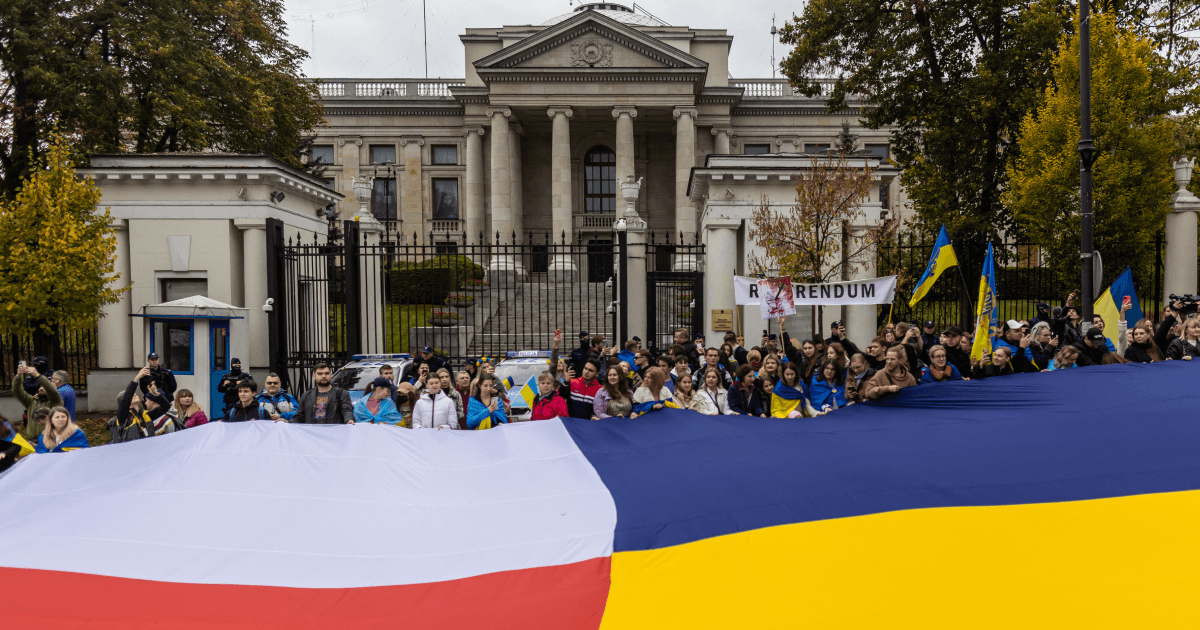
Injured priest tells Poles: ‘Do not blame Ukraine’ for convent attack
Fr Adrian Mantykiewicz, who was injured in the attack that killed a fellow priest, has urged Catholics to pray for the assailant and not blame Ukrainians for his actions
Corrie Douglas-Young Newsroom
Church leaders urge Drumcree dialogue: ‘Too much is at stake’
Corrie Douglas-Young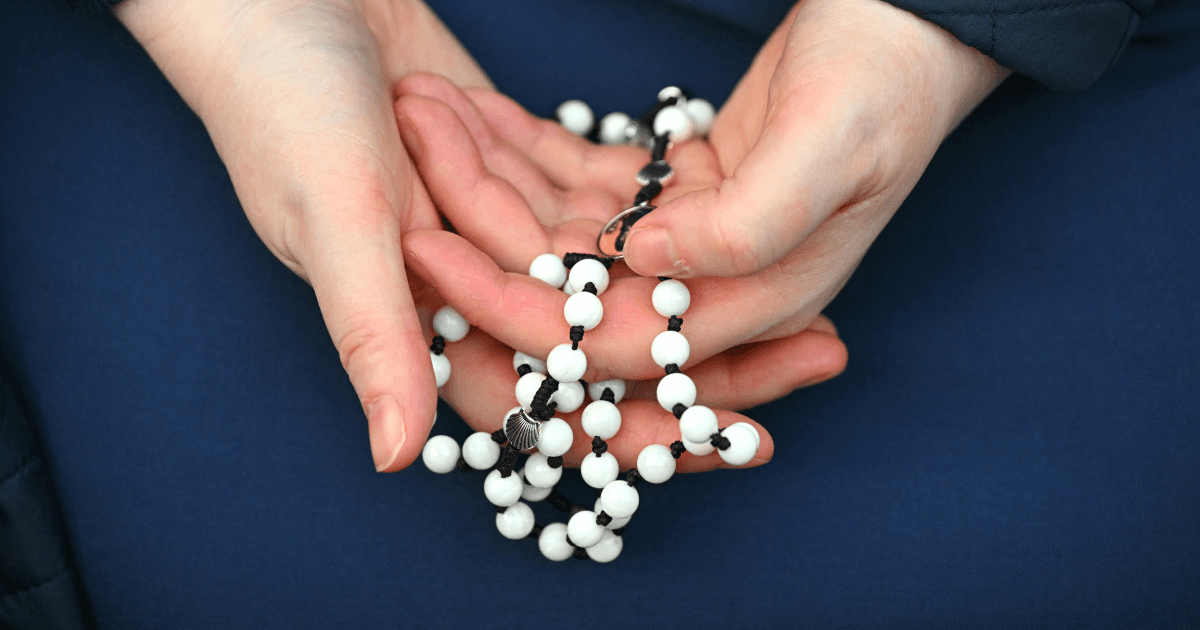 Newsroom
Thousands of Irish children to join global Rosary campaign
Corrie Douglas-Young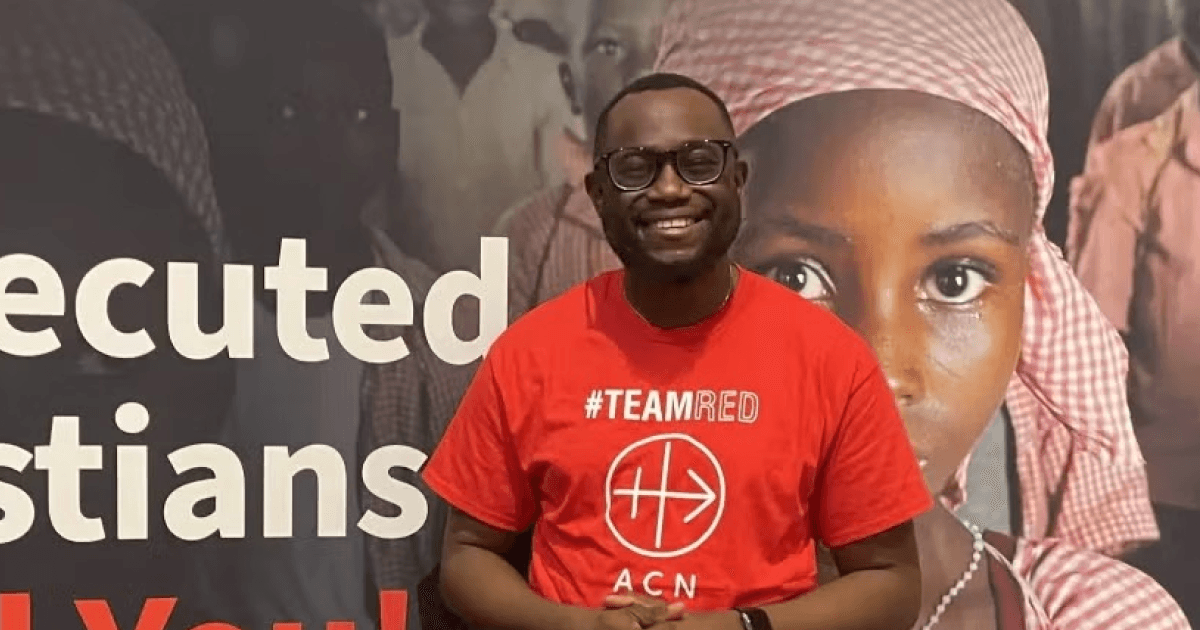 Newsroom
TikTok priest urges young people to stand with persecuted Christians
Nathalie Raffray Newsroom
Baby born at 25 weeks reunites with neonatologist two years after leaving hospital
The Catholic Herald
subscribe to the catholic herald today
Our best content is exclusively available to our subscribers. Subscribe today and gain instant access to expert analysis, in-depth articles, and thought-provoking insights—anytime, anywhere. Don’t miss out on the conversations that matter most.
Subscribe



