




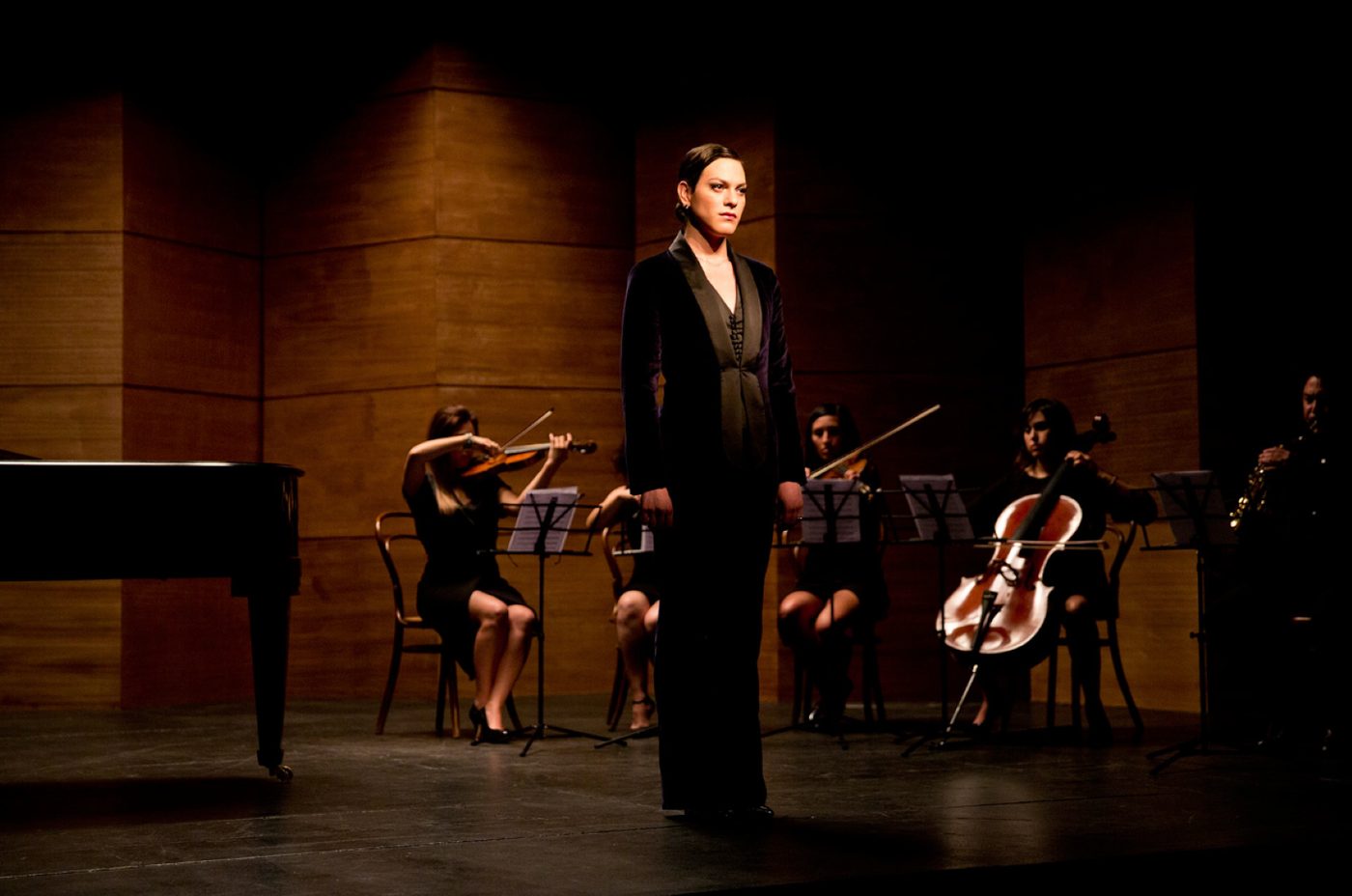
The rapid change the movie business is presently undergoing is such that some believed 2018 might have witnessed the Academy Awards embracing their first transgender acting nominee. The performer in question was Daniela Vega, for the Chilean drama A Fantastic Woman (15 cert, 104 mins,★★★), and that Vega eventually missed out should imply no failure on her part: the dodderier academy voters have always been more comfortable around Meryl Streep, that’s all. Director Sebastián Lelio has followed up Gloria, his exhilarating 2013 study of an older woman cutting loose, with a not dissimilar project. Again, he nudges a marginalised figure into the spotlight, inviting her to shine for a couple of hours. For much of that time, ironically, Vega’s Marina Vidal is struggling not to get snuffed out. A waitress and nightclub singer, her scant security comes under extended threat after her married lover drops dead from an aneurysm. The deceased’s relatives regard Marina as a nasty detail to be brushed aside: not just the other woman, but – in the eyes of the clan’s macho men – fundamentally “other”. The police, equally, view her with suspicion from the moment one officer clocks the (male) name on her outdated ID. Without soapboxing, the film tells the story of one woman’s battle to cling onto something of the man she loved, while avoiding being written out of the picture altogether. Festival-circuit notices have scented an Almodóvar influence, and certain images back that up. At one point, Marina is reduced to a standstill on the street by a sudden gale – just another of the forces raging against her. Yet Lelio is less inclined towards the melodramatic than he is towards the sociological. Whether we find ourselves in Marina’s car or her dressing room, this notably reflective work strives to hold a mirror up to straight society’s apprehension around all things trans. When the deceased’s ex tells Marina: “When I look at you, I don’t know what I’m seeing,” it sounds truthful, and harsher than anybody was expecting. If the film isn’t quite as arresting as Gloria, perhaps that’s because watching a heroine trying to hold it together is less dynamic than watching one flying off the rails. Yet Lelio has overseen at least one quiet representational triumph in casting trans as trans, and then directing Vega to play this frazzled character comprehensively, and well. In shot almost throughout, she makes a persuasive case for Marina’s existence and happiness, her right to be whoever she wants to be. It’s not a film of badges or labels, then, nor one seeking to wave flags or placards – just a subtly affecting expression of empathy, sent into a world that could do with a few more of those right now.
12:00 PM
World film: An affecting portrait of ‘the other woman’
Mike McCahill

3 min read



Already a subscriber? Sign in
5freearticles every month
Continue reading with a free account. No card needed.
- Five free articles every thirty days, on any device you sign in on
- The Catholic Herald newsletter, every morning
- Subscribe whenever you like for everything: every article and the magazine
Related articles
 Newsroom
Church leaders urge Drumcree dialogue: ‘Too much is at stake’
The Catholic and Church of Ireland Archbishops of Armagh have urged a renewed commitment to peace and reconciliation amid the Drumcree stand-off
Corrie Douglas-Young Newsroom
Thousands of Irish children to join global Rosary campaign
Corrie Douglas-Young Newsroom
TikTok priest urges young people to stand with persecuted Christians
Nathalie Raffray Newsroom
Baby born at 25 weeks reunites with neonatologist two years after leaving hospital
The Catholic Herald Newsroom
Joe Biden honoured by Planned Parenthood after defending abortion rights
Christine Rousselle
subscribe to the catholic herald today
Our best content is exclusively available to our subscribers. Subscribe today and gain instant access to expert analysis, in-depth articles, and thought-provoking insights—anytime, anywhere. Don’t miss out on the conversations that matter most.
Subscribe



