



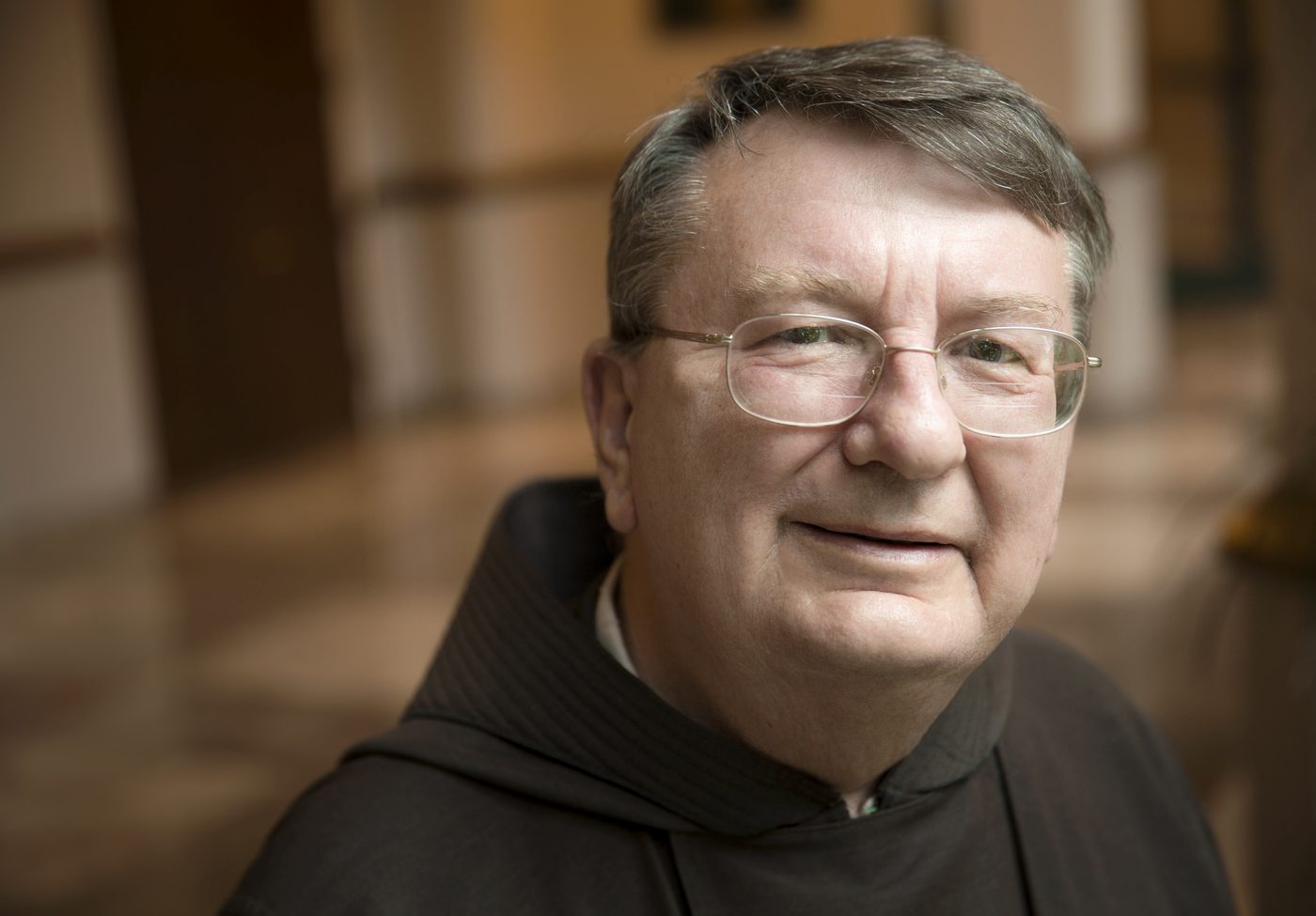
A former head of the US bishops’ committee on doctrine was forced to resign as an adviser to the US bishops’ conference last week after publishing a letter criticising Pope Francis. Fr Thomas Weinandy, a member of the Vatican’s International Theological Commission, accused the Pope of causing confusion. He was asked to resign from his bishops’ conference role on the day the letter was made public. “A chronic confusion seems to mark your pontificate. The light of faith, hope, and love is not absent, but too often it is obscured by the ambiguity of your words and actions. “Too often your manner seems to demean the importance of Church doctrine,” he said. “Again and again you portray doctrine as dead and bookish, and far from the pastoral concerns of everyday life.” Of Amoris Laetitia, Fr Weinandy wrote: “Your guidance at times seems intentionally ambiguous, thus inviting both a traditional interpretation of Catholic teaching on marriage and divorce as well as one that might imply a change in that teaching. To teach with such a seemingly intentional lack of clarity inevitably risks sinning against the Holy Spirit, the Spirit of truth.” He accused Pope Francis of seemingly trying to “censor and even mock” people with traditional views on divorce and remarriage by suggesting they were “Pharisaic stone-throwers who embody a merciless rigorism”. “This kind of calumny is alien to the nature of the Petrine ministry,” he added. Faithful Catholics were also demoralised by the “teaching and practice” of bishops who “seem not merely open to those who hold views counter to Christian belief, but who support and even defend them,” Fr Weinandy said. Francis’s pontificate, he wrote, had “given those who hold harmful theological and pastoral views the licence and confidence to come into the light and expose their previously hidden darkness”. Fr Weinandy said people were nervous about speaking out. “Bishops are quick learners, and what many have learned from your pontificate is not that you are open to criticism, but that you resent it,” he wrote. He said he had not received a reply to the letter and felt compelled to publish it.
12:00 PM
You are obscuring truth, US theologian tells Pope
Staff writers

3 min read



Already a subscriber? Sign in
5freearticles every month
Continue reading with a free account. No card needed.
- Five free articles every thirty days, on any device you sign in on
- The Catholic Herald newsletter, every morning
- Subscribe whenever you like for everything: every article and the magazine
Related articles
 Newsroom
Church leaders urge Drumcree dialogue: ‘Too much is at stake’
The Catholic and Church of Ireland Archbishops of Armagh have urged a renewed commitment to peace and reconciliation amid the Drumcree stand-off
Corrie Douglas-Young Newsroom
Thousands of Irish children to join global Rosary campaign
Corrie Douglas-Young Newsroom
TikTok priest urges young people to stand with persecuted Christians
Nathalie Raffray Newsroom
Baby born at 25 weeks reunites with neonatologist two years after leaving hospital
The Catholic Herald Newsroom
Joe Biden honoured by Planned Parenthood after defending abortion rights
Christine Rousselle
subscribe to the catholic herald today
Our best content is exclusively available to our subscribers. Subscribe today and gain instant access to expert analysis, in-depth articles, and thought-provoking insights—anytime, anywhere. Don’t miss out on the conversations that matter most.
Subscribe



