April 7, 2026

An uninspiring portrait

Melanie McDonagh
More
Related
Min read
share

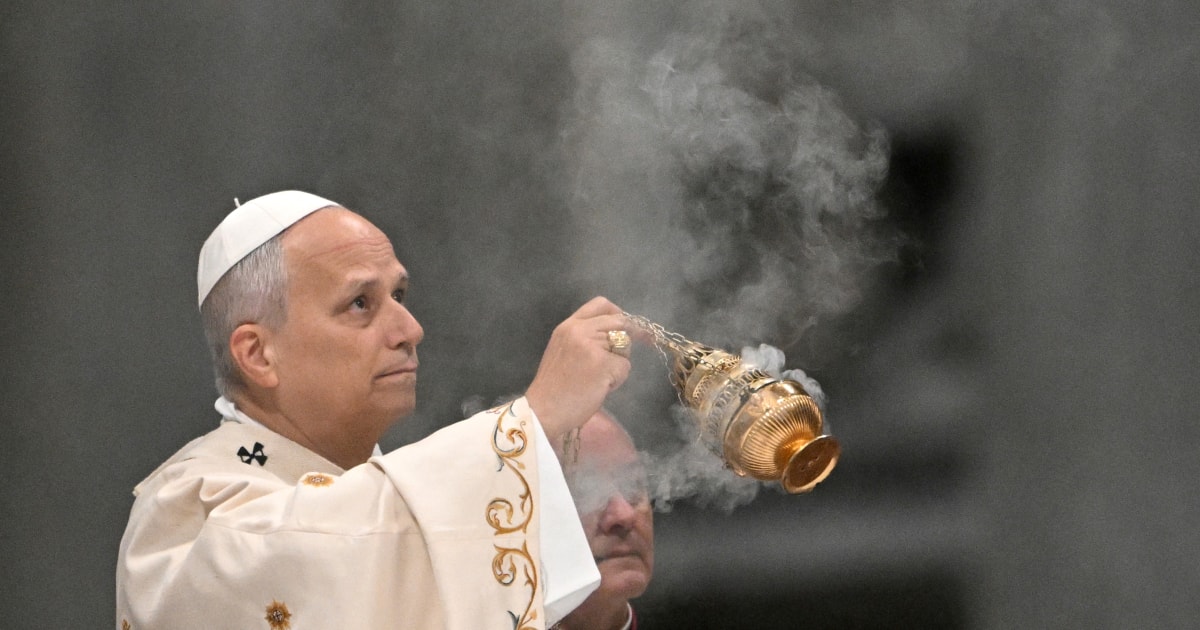
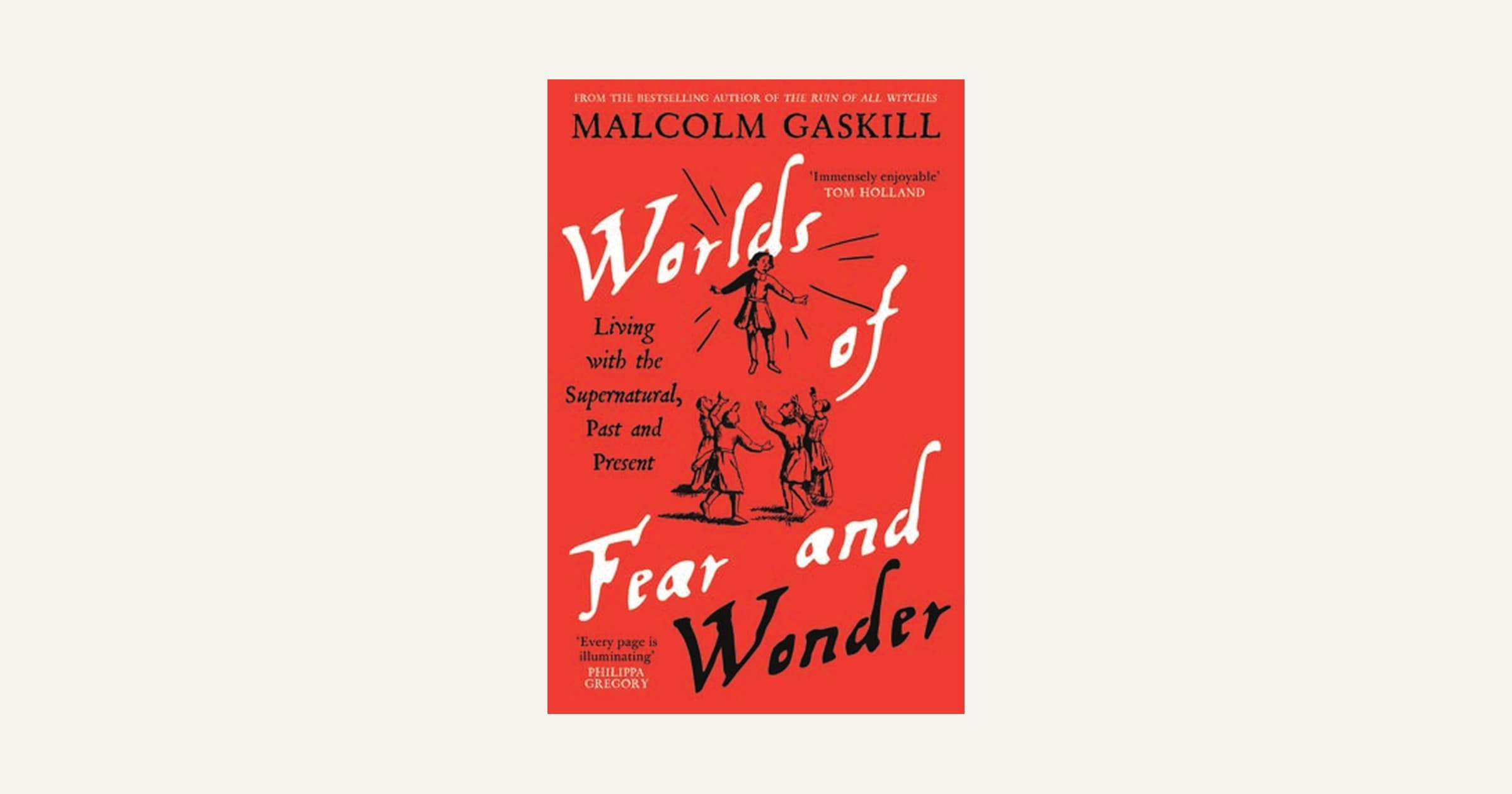
Any account of Robert Prevost as Pope Leo XIV has to offer something rather different from Elise Allen’s biography, which had the benefit of knowledge of his ministry in Peru and extensive interviews with the Pope himself. Christopher Lamb has taken on a more general agenda in American Hope: What Pope Leo XIV Means for the Church and the World (Headline, £25). It does not set out to be a biography; it is more of a roundup of the challenges he faces in the light of his record and personality. This is a perfectly good objective; the trouble is that, after the Allen book, interviews with assorted personalities in the Vatican and generalisations do not quite cut it.

The author is the former Vatican columnist for The Tablet and present Vatican correspondent for CNN. For a reader without much knowledge of the Vatican and the Church in recent times, he provides a decent and thoroughgoing account of the challenges they face. Yet most of the insight comes from applying obvious truths about Robert Prevost to obvious truths about the Church.

So, we learn at the outset that ‘beneath what might seem like a meek exterior lies a steely determination…’ ‘As a church lawyer and mathematician, he likes to follow a process.’ ‘Pope Leo has the gift of being a unifier… virtually everyone has noticed his listening skills.’ The foundation stone of Robert Prevost’s life is his membership of the Order of St Augustine; the defining features of this order are written into Leo’s governing style. His time as leader of the Augustinians provided him with insights into the Church globally. Unfortunately, the section on China, which Leo seems to have visited several times, is notably thin. And his dissertation on the role of the prior in the Augustinian order emphasised collaborative ministry.

Plus, Leo is the first American Pope, but a very different sort of American from Donald Trump, because he cares about the poor.

All these insights are indeed valid, but not especially remarkable, and, having taken them on board at the outset, the author proceeds to apply them in various contexts. There is a good deal about the pontificate of Francis, where there is at least a lot to discuss, but with his successor we are told repeatedly that there are challenges ahead which will need his unique skills. That is certainly true, but it is not an especially helpful analysis. Indeed, the book could have given all these observations briefly, providing a useful primer on Leo, but perhaps the publishers had other ideas.

So we find that, when it comes to Vatican finances, the Pope, having taught maths at a high school, will not be intimidated by accounts. That is preceded by an extensive account of the hair-raising episode in which enormous sums were spent by the Vatican on a former Harrods warehouse on Sloane Avenue, which turned out to be a dud investment and ended in an embarrassing court case in the Royal Courts of Justice. The moral is that the Pope will need the financial nous he acquired as leader of the Augustinians in order to put things right. Well, quite.

As for AI, probably the most formidable challenge facing humanity, we find that Leo’s unique listening skills and ability to bring people together will be exceptionally helpful in drawing together experts to bring an ethical perspective to bear on the issue. And certainly it is true, as the author points out, that the Pope has unique pulling power in bringing together the powerful and influential; what is more, as he says, he can provide an astonishingly beautiful and historic backdrop for the gatherings he convenes. I would, myself, do almost anything to witness Leo taking Elon Musk to task. But although it is good to know that the Pope attaches particular importance to the subject, it does not get us far.

Where I did learn something was in the section on the Pope’s treatment of the abuse scandals in the Church, specifically when he was bishop in Peru, where he took a firm line with a conservative organisation, Sodalitium Christianae Vitae, whose founder and some members sexually abused minors and adults. It is already clear that the Pope welcomed the contribution of journalists to uncovering abuse. Yet Leo has declined to accept that the Church should be defined by this one neuralgic subject – Christopher Lamb worries that this may be seen as not taking the issue sufficiently seriously; it strikes me as a necessary corrective.

The author is a nice man. The trouble is that he equates decency with a liberal approach on the usual issues: Communion for the divorced and remarried, blessing homosexual couples, ordaining women at least as deacons and the Traditional Latin Mass. On that last point, it is frankly annoying to be told repeatedly that the Novus Ordo may also be said in Latin and that the Pope is not averse to doing so himself. Fine; but the important thing is whether Leo will adopt the eirenic approach of Benedict or the liberal authoritarianism of Francis. And you can tell what I think.

This is a well-intentioned book; it is, however, awfully dull.

Any account of Robert Prevost as Pope Leo XIV has to offer something rather different from Elise Allen’s biography, which had the benefit of knowledge of his ministry in Peru and extensive interviews with the Pope himself. Christopher Lamb has taken on a more general agenda in American Hope: What Pope Leo XIV Means for the Church and the World (Headline, £25). It does not set out to be a biography; it is more of a roundup of the challenges he faces in the light of his record and personality. This is a perfectly good objective; the trouble is that, after the Allen book, interviews with assorted personalities in the Vatican and generalisations do not quite cut it.

The author is the former Vatican columnist for The Tablet and present Vatican correspondent for CNN. For a reader without much knowledge of the Vatican and the Church in recent times, he provides a decent and thoroughgoing account of the challenges they face. Yet most of the insight comes from applying obvious truths about Robert Prevost to obvious truths about the Church.

So, we learn at the outset that ‘beneath what might seem like a meek exterior lies a steely determination…’ ‘As a church lawyer and mathematician, he likes to follow a process.’ ‘Pope Leo has the gift of being a unifier… virtually everyone has noticed his listening skills.’ The foundation stone of Robert Prevost’s life is his membership of the Order of St Augustine; the defining features of this order are written into Leo’s governing style. His time as leader of the Augustinians provided him with insights into the Church globally. Unfortunately, the section on China, which Leo seems to have visited several times, is notably thin. And his dissertation on the role of the prior in the Augustinian order emphasised collaborative ministry.

Plus, Leo is the first American Pope, but a very different sort of American from Donald Trump, because he cares about the poor.

All these insights are indeed valid, but not especially remarkable, and, having taken them on board at the outset, the author proceeds to apply them in various contexts. There is a good deal about the pontificate of Francis, where there is at least a lot to discuss, but with his successor we are told repeatedly that there are challenges ahead which will need his unique skills. That is certainly true, but it is not an especially helpful analysis. Indeed, the book could have given all these observations briefly, providing a useful primer on Leo, but perhaps the publishers had other ideas.

So we find that, when it comes to Vatican finances, the Pope, having taught maths at a high school, will not be intimidated by accounts. That is preceded by an extensive account of the hair-raising episode in which enormous sums were spent by the Vatican on a former Harrods warehouse on Sloane Avenue, which turned out to be a dud investment and ended in an embarrassing court case in the Royal Courts of Justice. The moral is that the Pope will need the financial nous he acquired as leader of the Augustinians in order to put things right. Well, quite.

As for AI, probably the most formidable challenge facing humanity, we find that Leo’s unique listening skills and ability to bring people together will be exceptionally helpful in drawing together experts to bring an ethical perspective to bear on the issue. And certainly it is true, as the author points out, that the Pope has unique pulling power in bringing together the powerful and influential; what is more, as he says, he can provide an astonishingly beautiful and historic backdrop for the gatherings he convenes. I would, myself, do almost anything to witness Leo taking Elon Musk to task. But although it is good to know that the Pope attaches particular importance to the subject, it does not get us far.

Where I did learn something was in the section on the Pope’s treatment of the abuse scandals in the Church, specifically when he was bishop in Peru, where he took a firm line with a conservative organisation, Sodalitium Christianae Vitae, whose founder and some members sexually abused minors and adults. It is already clear that the Pope welcomed the contribution of journalists to uncovering abuse. Yet Leo has declined to accept that the Church should be defined by this one neuralgic subject – Christopher Lamb worries that this may be seen as not taking the issue sufficiently seriously; it strikes me as a necessary corrective.

The author is a nice man. The trouble is that he equates decency with a liberal approach on the usual issues: Communion for the divorced and remarried, blessing homosexual couples, ordaining women at least as deacons and the Traditional Latin Mass. On that last point, it is frankly annoying to be told repeatedly that the Novus Ordo may also be said in Latin and that the Pope is not averse to doing so himself. Fine; but the important thing is whether Leo will adopt the eirenic approach of Benedict or the liberal authoritarianism of Francis. And you can tell what I think.

This is a well-intentioned book; it is, however, awfully dull.

subscribe to
the catholic herald

Continue reading your article with a subscription.
Read 5 articles with our free plan.
Subscribe

subscribe to the catholic herald today

Our best content is exclusively available to our subscribers. Subscribe today and gain instant access to expert analysis, in-depth articles, and thought-provoking insights—anytime, anywhere. Don’t miss out on the conversations that matter most.
Subscribe