

One of North America’s most prominent bishops has roundly criticized the Society of Saint Pius X for proceeding with their episcopal consecrations, arguing that while he sympathised with some of their concerns they must “stay within the Church.”
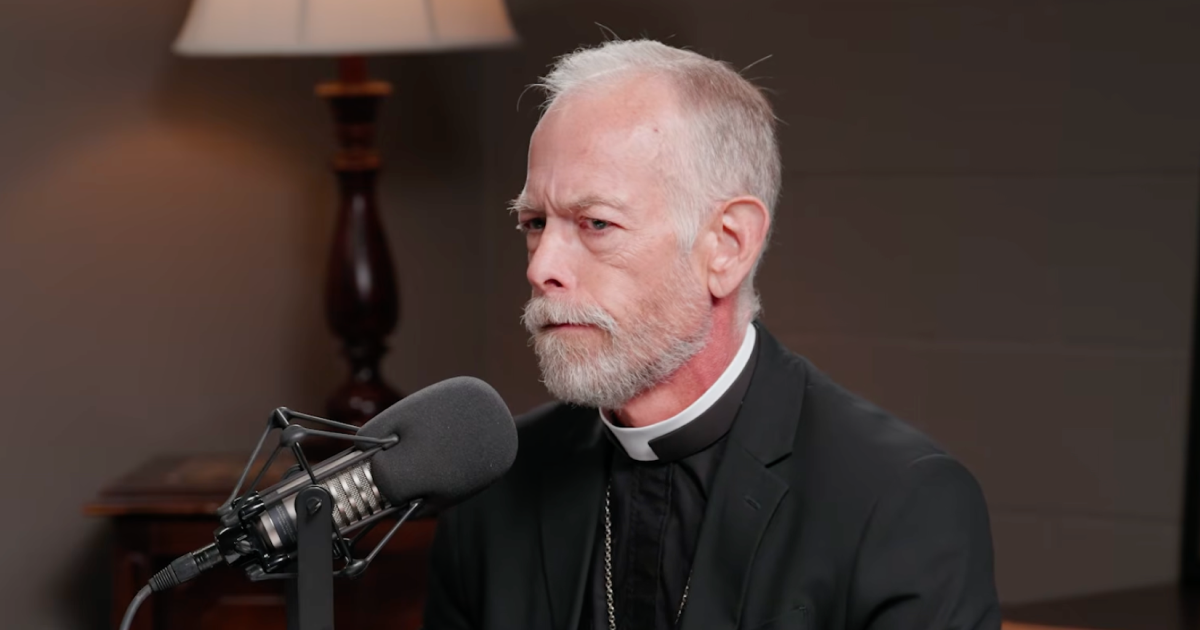
Archbishop Alexander Sample of the Archdiocese of Portland has become the latest high profile prelate to condemn the SSPX. Similar to fellow U.S. prelate Bishop Paprocki, Sample is known for his defence of traditional Catholic teaching in morality along with his support for the traditional liturgy, but just like Paprocki the archbishop has also lamented the SSPX’s recent actions.
Condemning the 1st July episcopal consecrations, Sample suggested that there is demonic temptation to foster division within the Church. “There’s an arrogance and pride,” he said.
“This whole business of schism – whether between East and West, the Protestant reformation – these are all seeds of division sown by the enemy.”
Satan, said Sample, “loves division. He is rejoicing in hell over this situation with the SSPX.”
The archbishop has been one of the relatively small number of U.S. prelates taking an active role in celebrating the traditional liturgy – something which is a key part of the SSPX’s concerns, although by no means the sole issue.
He also acknowledged that he sympathises with the SSPX’s concerns on a number of issues. “I don’t disagree with every objection or concern that the SSPX have, but let’s talk about those things and work them out in communion,” said Sample.
The prelate – who has led his see since April 2013 – was at pains to outline the necessity of being within the Church and debating about such issues in that forum. “Don’t break communion,” he urged. “Don’t think that you have all the answers, that you are the holders of the true faith apart from the one whom Jesus put in charge of the true Church.”
For Sample, there needs to be a distinction between the Second Vatican Council and how it was implemented. “Everything that happened after the Second Vatican Council is not necessarily legitimate and in communion with that hermeneutic of continuity,” he opined. “We can question some of the actions of the popes when they’re exercising authority outside true infallibility. They can make a lot of mistakes.”
Without mentioning specifics, he commented that he disagreed with some decisions of Pope John Paul II, but that he accepted them as a subordinate to superior: “But in that spirit of trying to be obedient and in communion you have to accept those things. The Church works these things out over time.”
In Sample’s assessment, patience is key both to resolving debates in the Church along with allowing Vatican II the sufficient time to be understood. “We need patience to work out these issues and the SSPX has seen themselves as the final arbiters of what is Catholic – but they’re doing that apart from the rest of the Church, that’s the danger.”
The SSPX, he said, “are in great danger because they’re off the rails, so to speak.”
Sample’s warning to the Society is based on his analysis that the SSPX members are “making themselves the determinators of what is Catholic, of what is the Church, and you can’t do that apart from the rest of the Church. They see themselves as the remnant.”
In a number of theological essays published since the consecrations, the SSPX have rejected arguments made against them, including the accusation that they are outside the Church.
“By remaining faithful to traditional Catholic doctrine, the SSPX provides souls with sure means to reach heaven,” they attest. The Society added that it “offers the universal Church a sincere and necessary witness to the urgent need to return to traditional teachings and practices in order to free the Church from the evils that afflict it.”
But Sample argued that the 2026 consecration takes the Society’s strained relationship with Rome “to a whole new level” given that this is the second time they have consecrated bishops without the papal mandate.
Sample acknowledged his own attachment to the traditional liturgy, along with that of many Catholics. He also noted his personal suspicion that “Pope Francis was fed a lot of false information about what Catholics – who were enjoying that freedom under Summorum Pontificum – were somehow against Vatican 2 even maybe against the pope.”
The archbishop suggested that Francis was given to understand that the traditional Mass was “a source of division within the church”, thus leading to the restrictions of Traditionis Custodes. The SSPX have cited these same restrictions as key evidence of the necessity of their consecrations.
Indeed, Sample further revealed that – in the now infamous survey of the world’s bishops on Summorum Pontificum – he suspected incoming restrictions and so warned that Vatican that “if you want to see division, put more restrictions on this Mass within the Church. That is going to create division.”
In his mind, if the Church had “truly implemented what the Council documents said and we hadn’t had all this crazy experimentation and silly nonsense in the liturgy then I don’t think we would be where we are today.”
The SSPX have started the process of appealing the Holy See’s Decree concerning the automatic excommunication on the six bishops, and a reply is anticipated from the Vatican by mid-August.
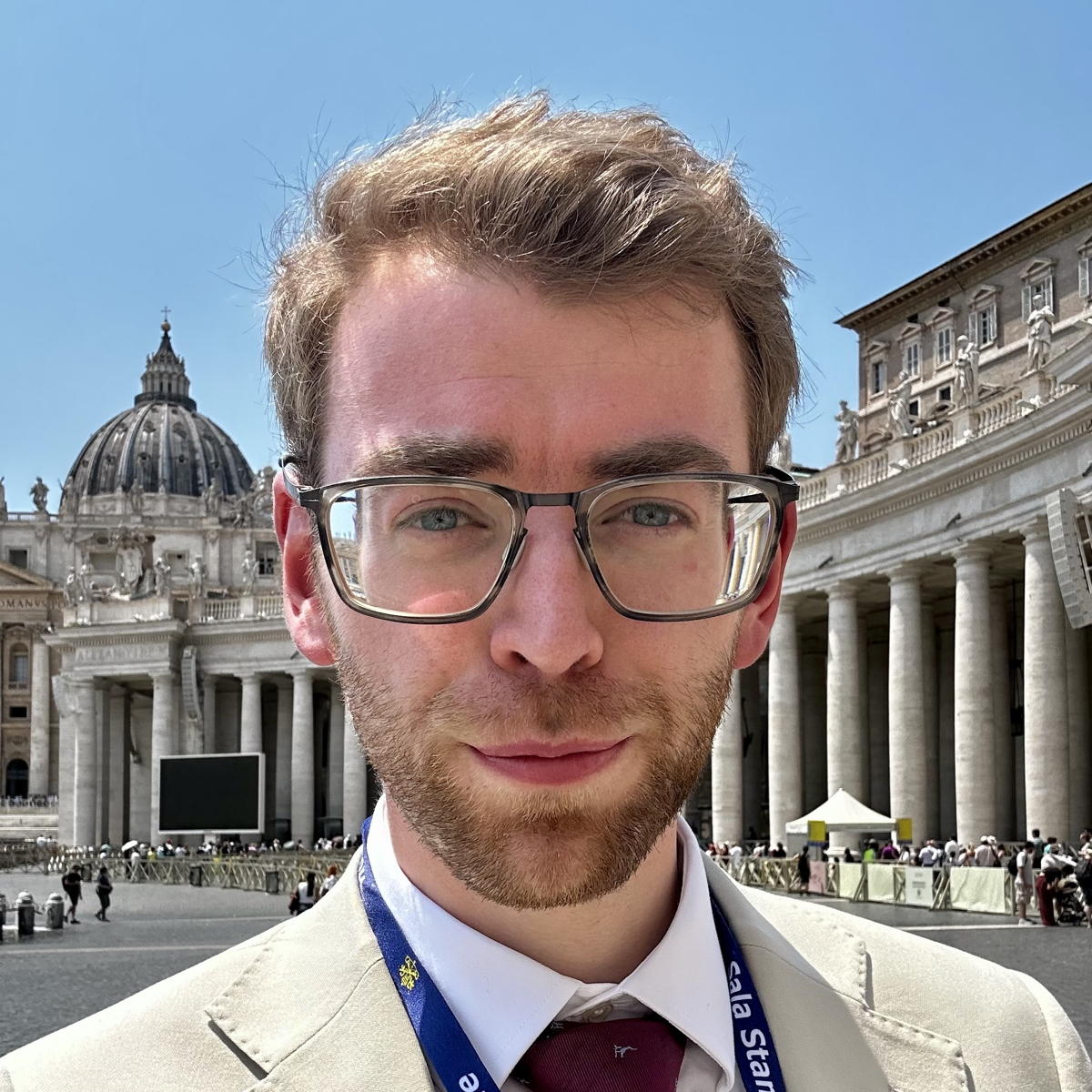
Michael Haynes is an English journalist in the Holy See Press Corps. He serves as Vatican Correspondent for the Catholic Herald, while readers can follow him at Per Mariam and on X @MLJHaynes.