March 28, 2026

As Leo travels, old battles over the priesthood return

Michael Haynes
More
Related
Min read
share

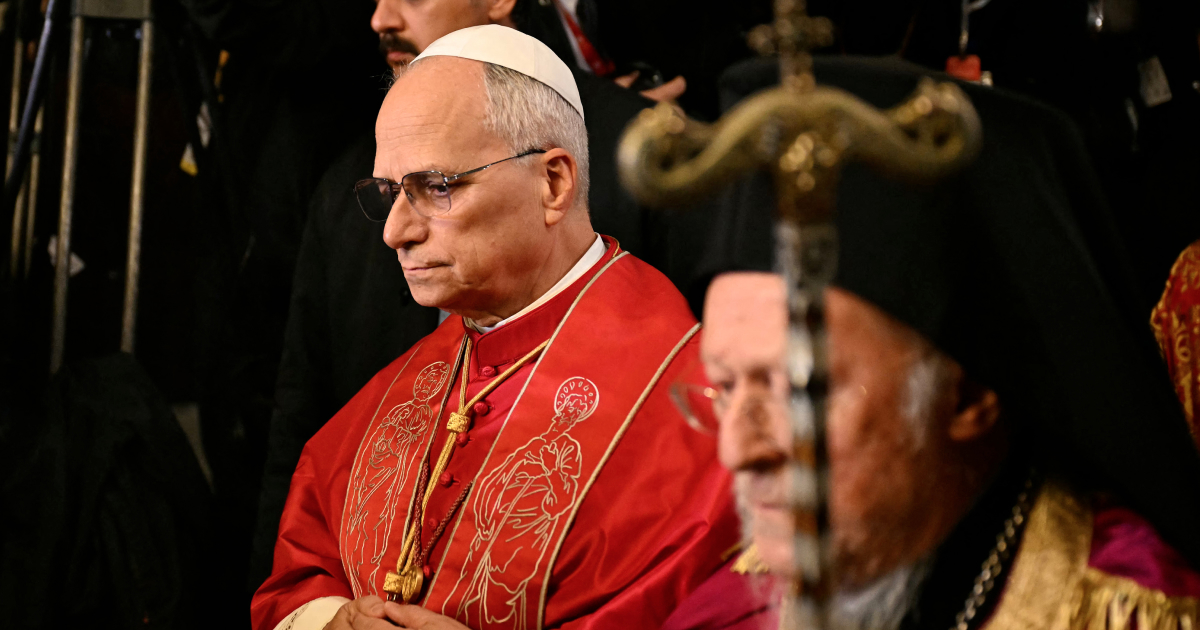
As if sensing an opportunity while the Pope’s gaze is diverted to questions about the traditional Mass, the Curia and foreign travel, two prelates have moved to pressure Leo into altering Holy Orders.

The spring and early summer calendar for the Pope is, without doubt, hectic. He visits the Principality of Monaco today before embarking on a 10-day voyage to Africa on 13 April – just after the immensely busy period of Holy Week and Easter. Two Italian day trips are then lined up for May – to Pompeii and Acerra – before Leo heads to Spain in early June. Then comes another day trip to Pavia later that month, before the second part of January’s Extraordinary Consistory around the feast of Ss Peter and Paul – it is safe to say that Leo’s roster is full.

Some senior prelates have quietly expressed concern that such busy travel plans will distract Leo from the already numerous doctrinal and bureaucratic crises he needs to face, and this is no small issue. Perhaps smelling the opportunity of a distracted Pope is what prompted Bishop Johan Bonny and Cardinal Jean-Claude Hollerich to make public declarations of war on the sacrament of Holy Orders, appearing to take advantage of the Pope’s back being turned.

Bonny, the controversial bishop of Antwerp, announced recently that he would ordain married men to the priesthood by 2028. The news was always intended to reach an international audience, as evidenced by his additional press release in English. Such a move would violate centuries of tradition, papal teaching and canon law, but Bonny argued that he would have all problems resolved by the time his deadline arrived.

Then Hollerich pronounced that he could not ‘imagine in the long run how a church can survive’ if women cannot be ordained to Holy Orders. Hollerich’s key role during the Synod regularly featured such theologically provocative questions, placing him as either ignorant of Church history and theology, or just deliberately wayward.

Of course, the question of women’s access to Holy Orders has been consistently and infallibly prohibited by the Church, so Hollerich will have to do some more self-reflection if he wishes to halt his haemorrhaging vocation statistics. By way of a swift rebuttal, Leo used his Wednesday audience to remind the crowds that Holy Orders are, as Christ intended, a ‘ministry conferred upon men’. Hollerich’s move is another flash in the pan of the wild activism for a female priesthood, but Bonny’s declaration poses greater problems for Leo: both prelates demonstrate that there are those who will jump at any opportunity.

On the wider issue of female orders, there are many who deem Leo to have been ill advised in sending a message to Sarah Mullally – newly installed as Archbishop of Canterbury – an individual who has been the source of much division in her own Anglican Communion amid its own debate over female orders. Leo’s message was perhaps natural given the ecumenical diplomacy which the Vatican pursues with Lambeth Palace and the Church of England, yet even so, many feel it would have been better for the Pope himself to be more personally distanced from any such message of welcome.

That being said, Leo’s letter references how Pope Francis and the Anglican prelate Justin Welby acknowledged how ‘new circumstances have presented new disagreements among us’ – one of which is, of course, the question of female orders. The future of Anglican-Catholic dialogue under Mullally’s leadership will be interesting to say the least.

Another answer to activists for female ordination came when Leo named Bishop Anthony Randazzo archbishop and prefect of the Dicastery for Legislative Texts. Randazzo will bid farewell to his Australian diocese of Broken Bay, but Rome is not foreign to him: he served as a CDF official for five years under Benedict XVI and, before that, studied canon law here. During the Synod on Synodality, Randazzo showed strength of character when he firmly resisted the move for a female diaconate. He dubbed the point a ‘niche issue’, by which the Church risked overlooking genuine problems women face across the world.

In that sense, Randazzo is much like Leo and, as prefect of the Dicastery, will play a crucial role in determining the canonical legality of documents emerging from the Roman Curia and bishops’ conferences worldwide. Similar to Leo’s pick for the Dicastery for Bishops – Archbishop Iannone – Randazzo is a quiet canonist and does not attract unwelcome headlines.

The same cannot be said for the newly minted Archbishop-elect Renzo Pegoraro. Named as president of the Pontifical Academy for Life last year, after a long stint as chancellor, Pegoraro was this week awarded the dignity of the episcopate. But his theology has been central to the Academy’s well-documented wayward drift under Pope Francis, and his 2022 interview expressing openness to contraception remains a cause of concern for moral theologians.

Wrestling with another part of Francis’s legacy, Leo instructed the French Catholic episcopate to find ‘concrete solutions’ allowing for the ‘generous inclusion of those sincerely attached to the Vetus Ordo, in accordance with the guidelines established by the Second Vatican Council regarding the liturgy’. The Pope is ‘particularly attentive’ to the growth of Latin Mass communities, Cardinal Pietro Parolin wrote on Leo’s behalf.

This is immensely notable since it undercuts the spirit of Traditionis Custodes. True, no legal change in policy has been issued, but neither would such a move, at this time, fit with Leo’s style of softly and slowly enacting change. In issuing this command to the French bishops – who have been among the most polemical against the thriving traditional communities there – Leo signals that change is on the way, just as soon as he works out how to frame such change without appearing to contradict his predecessor and thus repeat the dangerous precedent Francis set in rejecting a previous pope’s work.

At the very least, it shows that Leo is now much more aware of the seriousness of the debate on the traditional Mass than he was last summer; doubtless the pressing question of the SSPX’s episcopal consecrations has served to highlight that for him. On this latter point, the Holy See has gone quiet since the Society rejected the Vatican’s terms for dialogue. Leo has often met with his point man on the issue, Cardinal Víctor Manuel Fernández, but no official or unofficial response has come from Rome.
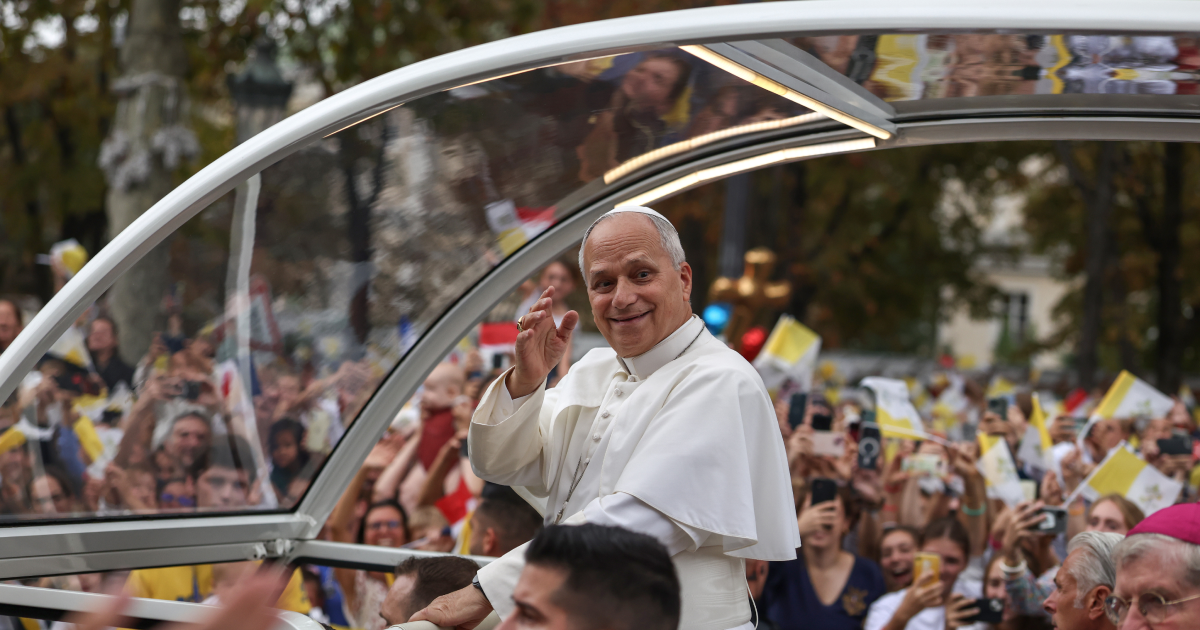
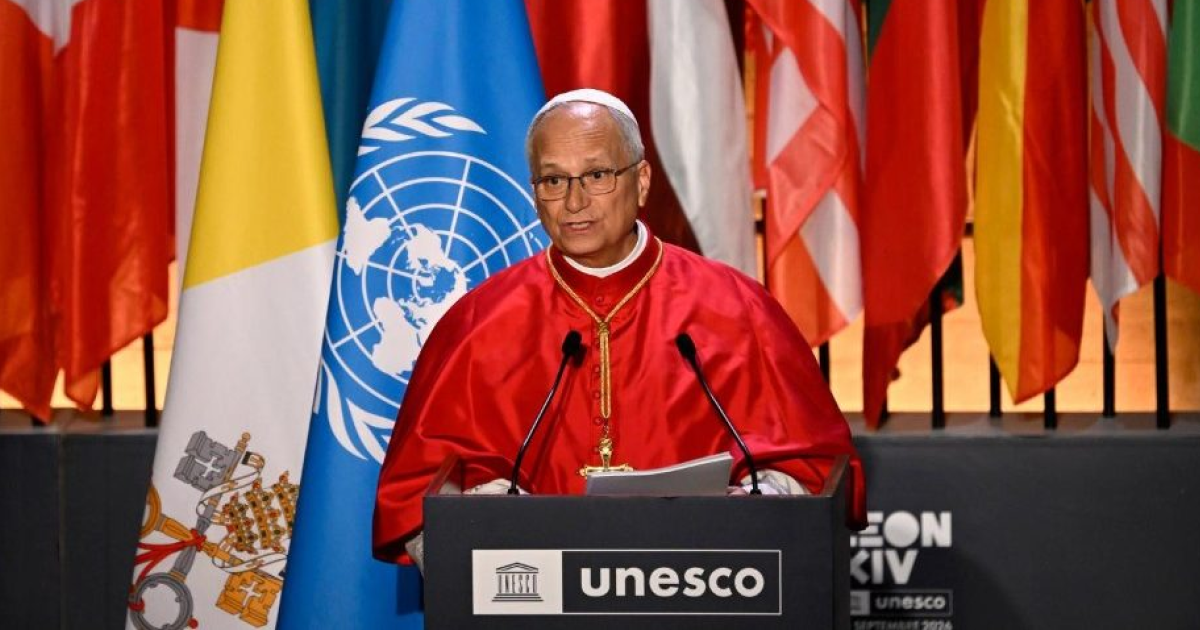
As if sensing an opportunity while the Pope’s gaze is diverted to questions about the traditional Mass, the Curia and foreign travel, two prelates have moved to pressure Leo into altering Holy Orders.

The spring and early summer calendar for the Pope is, without doubt, hectic. He visits the Principality of Monaco today before embarking on a 10-day voyage to Africa on 13 April – just after the immensely busy period of Holy Week and Easter. Two Italian day trips are then lined up for May – to Pompeii and Acerra – before Leo heads to Spain in early June. Then comes another day trip to Pavia later that month, before the second part of January’s Extraordinary Consistory around the feast of Ss Peter and Paul – it is safe to say that Leo’s roster is full.

Some senior prelates have quietly expressed concern that such busy travel plans will distract Leo from the already numerous doctrinal and bureaucratic crises he needs to face, and this is no small issue. Perhaps smelling the opportunity of a distracted Pope is what prompted Bishop Johan Bonny and Cardinal Jean-Claude Hollerich to make public declarations of war on the sacrament of Holy Orders, appearing to take advantage of the Pope’s back being turned.

Bonny, the controversial bishop of Antwerp, announced recently that he would ordain married men to the priesthood by 2028. The news was always intended to reach an international audience, as evidenced by his additional press release in English. Such a move would violate centuries of tradition, papal teaching and canon law, but Bonny argued that he would have all problems resolved by the time his deadline arrived.

Then Hollerich pronounced that he could not ‘imagine in the long run how a church can survive’ if women cannot be ordained to Holy Orders. Hollerich’s key role during the Synod regularly featured such theologically provocative questions, placing him as either ignorant of Church history and theology, or just deliberately wayward.

Of course, the question of women’s access to Holy Orders has been consistently and infallibly prohibited by the Church, so Hollerich will have to do some more self-reflection if he wishes to halt his haemorrhaging vocation statistics. By way of a swift rebuttal, Leo used his Wednesday audience to remind the crowds that Holy Orders are, as Christ intended, a ‘ministry conferred upon men’. Hollerich’s move is another flash in the pan of the wild activism for a female priesthood, but Bonny’s declaration poses greater problems for Leo: both prelates demonstrate that there are those who will jump at any opportunity.

On the wider issue of female orders, there are many who deem Leo to have been ill advised in sending a message to Sarah Mullally – newly installed as Archbishop of Canterbury – an individual who has been the source of much division in her own Anglican Communion amid its own debate over female orders. Leo’s message was perhaps natural given the ecumenical diplomacy which the Vatican pursues with Lambeth Palace and the Church of England, yet even so, many feel it would have been better for the Pope himself to be more personally distanced from any such message of welcome.

That being said, Leo’s letter references how Pope Francis and the Anglican prelate Justin Welby acknowledged how ‘new circumstances have presented new disagreements among us’ – one of which is, of course, the question of female orders. The future of Anglican-Catholic dialogue under Mullally’s leadership will be interesting to say the least.

Another answer to activists for female ordination came when Leo named Bishop Anthony Randazzo archbishop and prefect of the Dicastery for Legislative Texts. Randazzo will bid farewell to his Australian diocese of Broken Bay, but Rome is not foreign to him: he served as a CDF official for five years under Benedict XVI and, before that, studied canon law here. During the Synod on Synodality, Randazzo showed strength of character when he firmly resisted the move for a female diaconate. He dubbed the point a ‘niche issue’, by which the Church risked overlooking genuine problems women face across the world.

In that sense, Randazzo is much like Leo and, as prefect of the Dicastery, will play a crucial role in determining the canonical legality of documents emerging from the Roman Curia and bishops’ conferences worldwide. Similar to Leo’s pick for the Dicastery for Bishops – Archbishop Iannone – Randazzo is a quiet canonist and does not attract unwelcome headlines.

The same cannot be said for the newly minted Archbishop-elect Renzo Pegoraro. Named as president of the Pontifical Academy for Life last year, after a long stint as chancellor, Pegoraro was this week awarded the dignity of the episcopate. But his theology has been central to the Academy’s well-documented wayward drift under Pope Francis, and his 2022 interview expressing openness to contraception remains a cause of concern for moral theologians.

Wrestling with another part of Francis’s legacy, Leo instructed the French Catholic episcopate to find ‘concrete solutions’ allowing for the ‘generous inclusion of those sincerely attached to the Vetus Ordo, in accordance with the guidelines established by the Second Vatican Council regarding the liturgy’. The Pope is ‘particularly attentive’ to the growth of Latin Mass communities, Cardinal Pietro Parolin wrote on Leo’s behalf.

This is immensely notable since it undercuts the spirit of Traditionis Custodes. True, no legal change in policy has been issued, but neither would such a move, at this time, fit with Leo’s style of softly and slowly enacting change. In issuing this command to the French bishops – who have been among the most polemical against the thriving traditional communities there – Leo signals that change is on the way, just as soon as he works out how to frame such change without appearing to contradict his predecessor and thus repeat the dangerous precedent Francis set in rejecting a previous pope’s work.

At the very least, it shows that Leo is now much more aware of the seriousness of the debate on the traditional Mass than he was last summer; doubtless the pressing question of the SSPX’s episcopal consecrations has served to highlight that for him. On this latter point, the Holy See has gone quiet since the Society rejected the Vatican’s terms for dialogue. Leo has often met with his point man on the issue, Cardinal Víctor Manuel Fernández, but no official or unofficial response has come from Rome.
subscribe to
the catholic herald

Continue reading your article with a subscription.
Read 5 articles with our free plan.
Subscribe

subscribe to the catholic herald today

Our best content is exclusively available to our subscribers. Subscribe today and gain instant access to expert analysis, in-depth articles, and thought-provoking insights—anytime, anywhere. Don’t miss out on the conversations that matter most.
Subscribe