August 26, 2026

Bishops consecrated in secret for Underground Church in China

Michael Haynes
More
Related
Min read
share

Following the Vatican’s secret deal with China, Catholic bishops are being secretly consecrated to serve the Underground Church in the country, according to new details shared by a fellow underground bishop.  

Shortly after the signing of the Vatican’s secret deal with China in 2018, Catholics in the Underground Church professed to feeling betrayed.  AsiaNews – a site that regularly documents the abductions and torturing of underground Catholics – reported that “Underground Catholics bitterly suspect that the Vatican has abandoned them.”
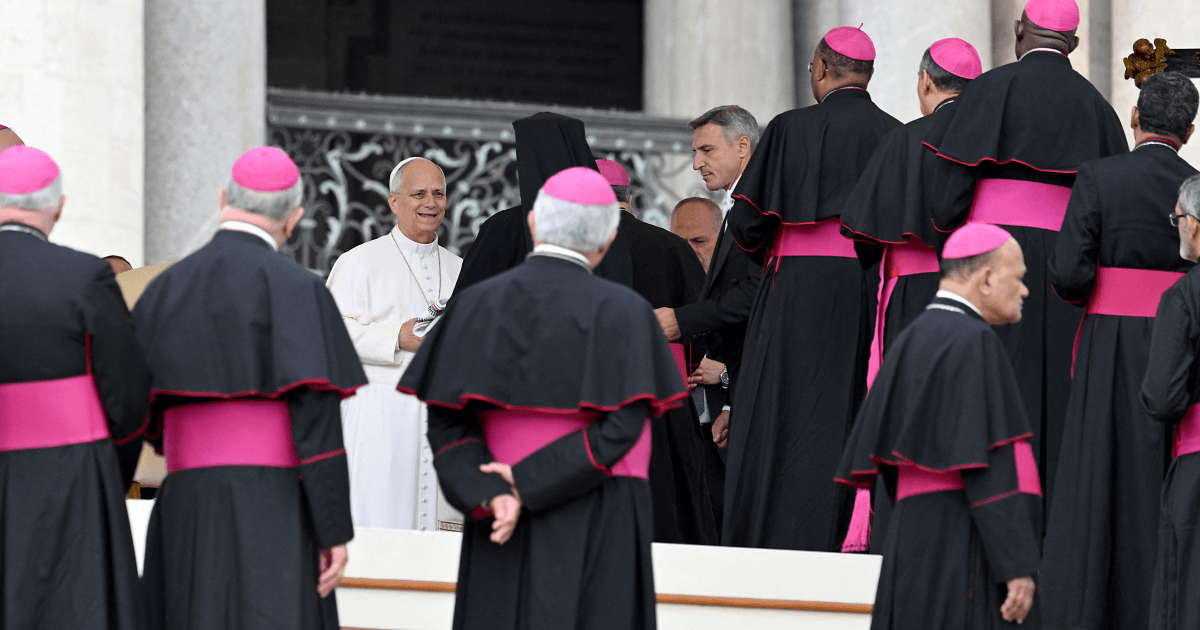
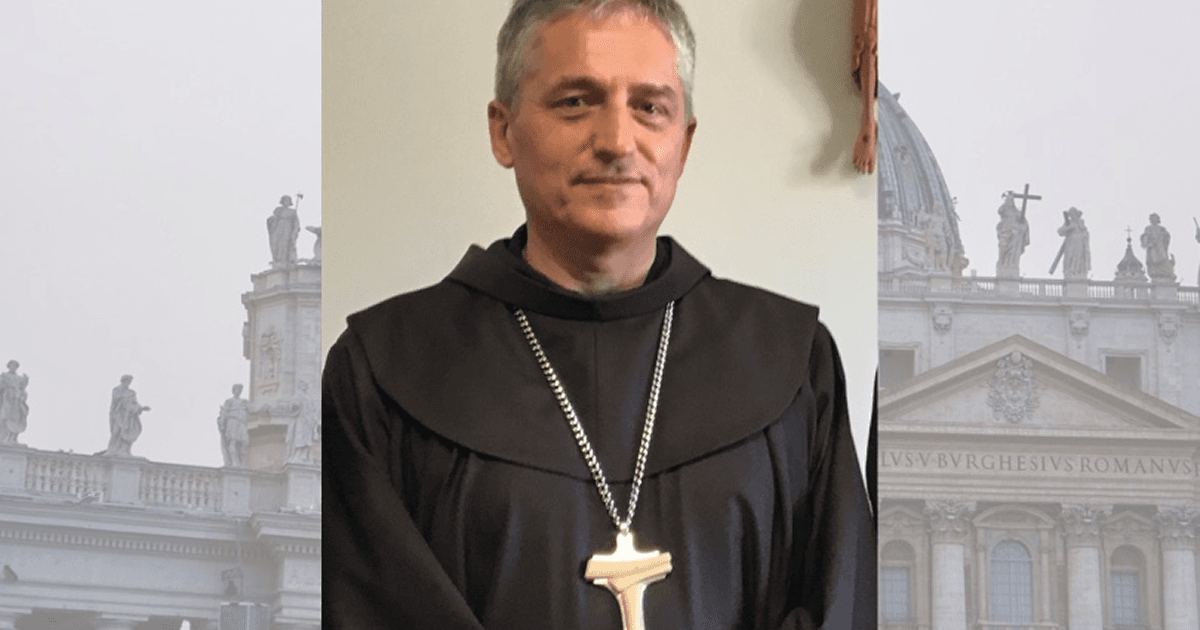
Since then, the Chinese government’s process of Sinicization – by which China subverts religions to the control of the Communist state – has proliferated and persecution of the Underground Church loyal to Rome has also increased.  

“It is the government that China’s Catholics today resist, not their fellow faithful,” said an un-named Chinese bishop as part of a detailed analysis published recently by Catholic World Report.

The Sino-Vatican deal concerning the appointment of bishops has remained secret, although it is widely understood to allow the Chinese Communist Party (CCP) to select its own bishops. The Pope apparently maintains a veto power although in practice it is the CCP which regularly appears to have control.

Interviewed by China expert and researcher Dr. Anthony Clark, the anonymous bishop stated that following the deal, the Church in Fujian province experienced “a state of emergency”.

Amid fears that “the integrity of the Catholic faith will suffer” due to the increasing influence of the Communist officials, new bishops have been “secretly consecrated” for the Underground Church in order to “assure the survival of China’s Church”.

At least ten new bishops are believed to have been consecrated in that province alone, which is home to two dioceses and one archdiocese.  

Such a revelation is groundbreaking. Since the signing of the 2018 deal, the only bishops publicly known to have been consecrated are those who have received approval from China, and then – after a delay – from the Holy See.

Information on the secret consecration of Underground bishops has been hitherto entirely absent, with the Holy See remaining quiet on the matter, if indeed it knew. Many might imagine that the Holy See would surely have been informed, but the passage of information between China and the Vatican is a surprisingly complex and delicate matter. Members and friends of the Underground Church are aware of the dangers of spreading information, particularly when secrets leak back to the CCP even from within the Vatican itself. Silence is key when self-preservation, or even life and death, are at stake.

One element that is a concern regarding the passage of information and trust in the Underground Church, is the Diocese of Hong Kong. As reported by this correspondent, an in-depth study by Frances Hui into the workings of the current ordinary, Cardinal Stephen Chow SJ, warn that he is ceding power in the diocese to Beijing and the CCP.  

Chow has described himself as a “bridge-builder” between the Holy See and Beijing, and as part of this mission has made numerous trips to China to meet with CCP officials who were then invited on reciprocal visits to Hong Kong.  

According to the anonymous Underground bishop interviewed by Catholic World Report, the Hong Kong diocese’s influence is weighty and potentially dangerous. “The Hong Kong diocese is in terrible shape and it doesn’t help matters when Hong Kong’s cardinal visits the Patriotic bishops in China.”

The bishop’s comments affirm information provided to this correspondent by Hong Kong sources, regarding the growing mistrust of Cardinal Chow due to his policy of appeasement towards Beijing. It is not without reason that one local priest told Frances Hui that the meetings Chow organises with CCP officials “are not exchanges, but brainwashing.” Far from appearing to defend the Underground Church in China, Chow’s activities bolster concerns that the Diocese of Hong Kong will soon fall under the CCP’s control also.  

The revelation of the secret consecrations in a public interview suggests that the Holy See has at least now been informed, although whether papal permission for the consecrations was received is as yet unknown.  

As for the Sino-Vatican deal, Pope Leo has shown himself to be in favour of following the line established by Pope Francis and rubber-stamping the episcopal appointments made by China. News of approved episcopal consecrations is normally only published on the day of the ceremony itself, although the Chinese regularly select the candidate months prior, and Leo reportedly approves him some weeks before the event. Since Leo’s papal election, the Chinese have appeared to honour the terms of the Sino-Vatican deal more closely than they did in the latter years of Pope Francis’ pontificate.  

But the importance of revelations regarding secret Underground Church consecrations cannot be overstated, since it places the Holy See’s relationship with China, and its response to the Society of Saint Pius X, it a completely new light.  

If the Holy See was aware of the consecrations and approved them, then why persist in renewing the deal with China, especially when China experts documented that persecution had only increased as a direct result of the deal?

If the Holy See was not informed about the consecrations prior their taking place, then what has been the Vatican’s response? Has a decree of automatic excommunication been issued, or does the Vatican deem the Underground Church to have met the specifications of Canon 1323 – exempting an individual from penalty when acting under “necessity” – which the SSPX invoked to no avail with the Vatican?

These are immensely important questions, having direct bearing upon two of the most important and controversial issues discussed in the Church today. So far, the Vatican has not commented publicly on the news, and the Catholic Herald’s request for comment has not yet been answered.

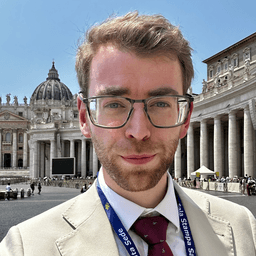
Michael Haynes is an English journalist in the Holy See Press Corps. He serves as Vatican Correspondent for the Catholic Herald, while readers can follow him at Per Mariam and on X @MLJHaynes.

Continue reading with a free account

Create a free account to read up to five articles each month
Create free account

You have # free articles remaining this month.

Subscribe to get unlimited access.
Sign up

subscribe to the catholic herald today

Our best content is exclusively available to our subscribers. Subscribe today and gain instant access to expert analysis, in-depth articles, and thought-provoking insights—anytime, anywhere. Don’t miss out on the conversations that matter most.
Subscribe