



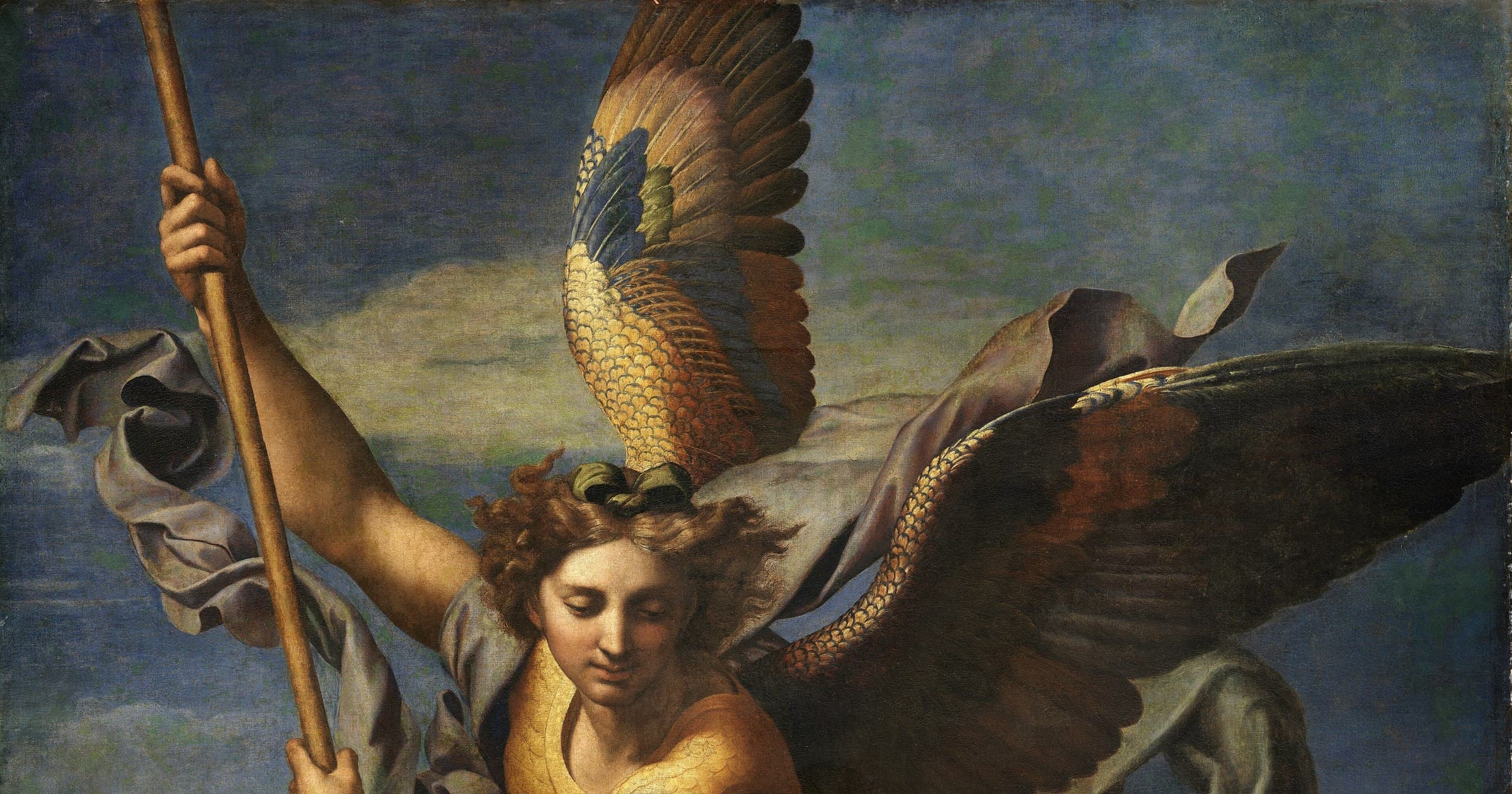
Ignatian Formation by Janos Lukács SJ (Gracewing, £14.99). The place of St Ignatius’s Spiritual Exercises in Jesuit affections could not be more secure but, when it comes to training and inspiring members of the order, what about the Constitutions? This foundational text – essentially a statement of precepts and instructions concerning the society’s way of proceeding – is full of advice about formation but is perhaps under-utilised. Lukács’s reminder of the document’s potency is aimed primarily at his fellow Jesuits, but it will interest anyone who wonders how a 500-year-old order attempts to sustain and revitalise the task of nurturing the next generation.
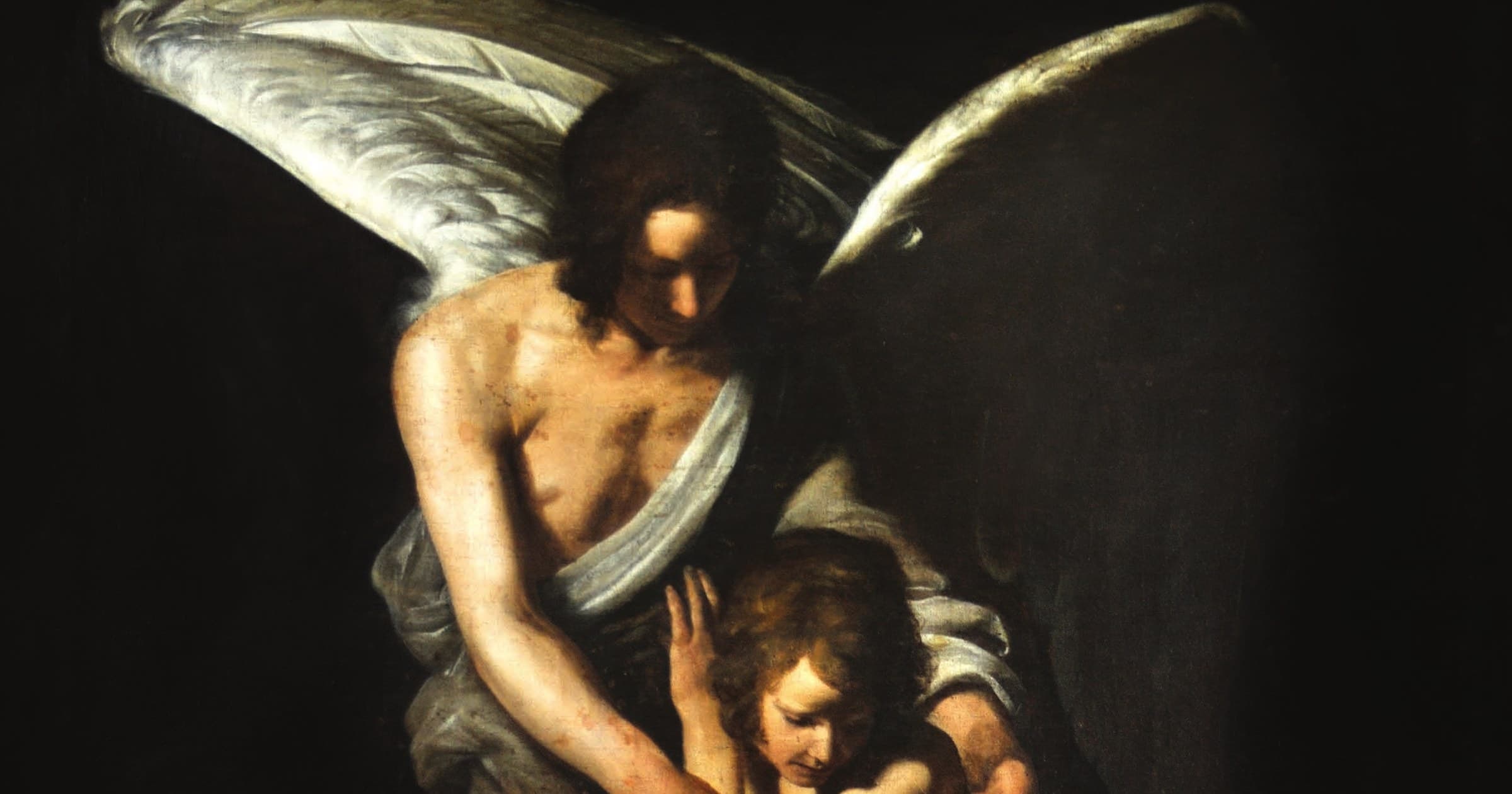
The First Circumnavigators by Harry Kelsey (Yale University Press, £25). Harry Kelsey invites us to remember the “unsung heroes of the Age of Discovery” – the soldiers, sailors and slaves who made the fabled journeys of the famous few possible. Rescuing such shadowy figures from obscurity required long hours in the archives and cautious use of the historical imagination, but Kelsey manages to construct a fluent and convincing account. It’s just a shame that the book is so short with so many opportunities to flesh out the narrative missed.
12:00 PM
Briefly noted
ignatian formation by janos lukács sj (gracewing, £14.99) . the place of st ignatius’s spiritual exercises in jesuit affections could not be...
Staff writers

3 min read



Already a subscriber? Sign in
5freearticles every month
Continue reading with a free account. No card needed.
- Five free articles every thirty days, on any device you sign in on
- The Catholic Herald newsletter, every morning
- Subscribe whenever you like for everything: every article and the magazine
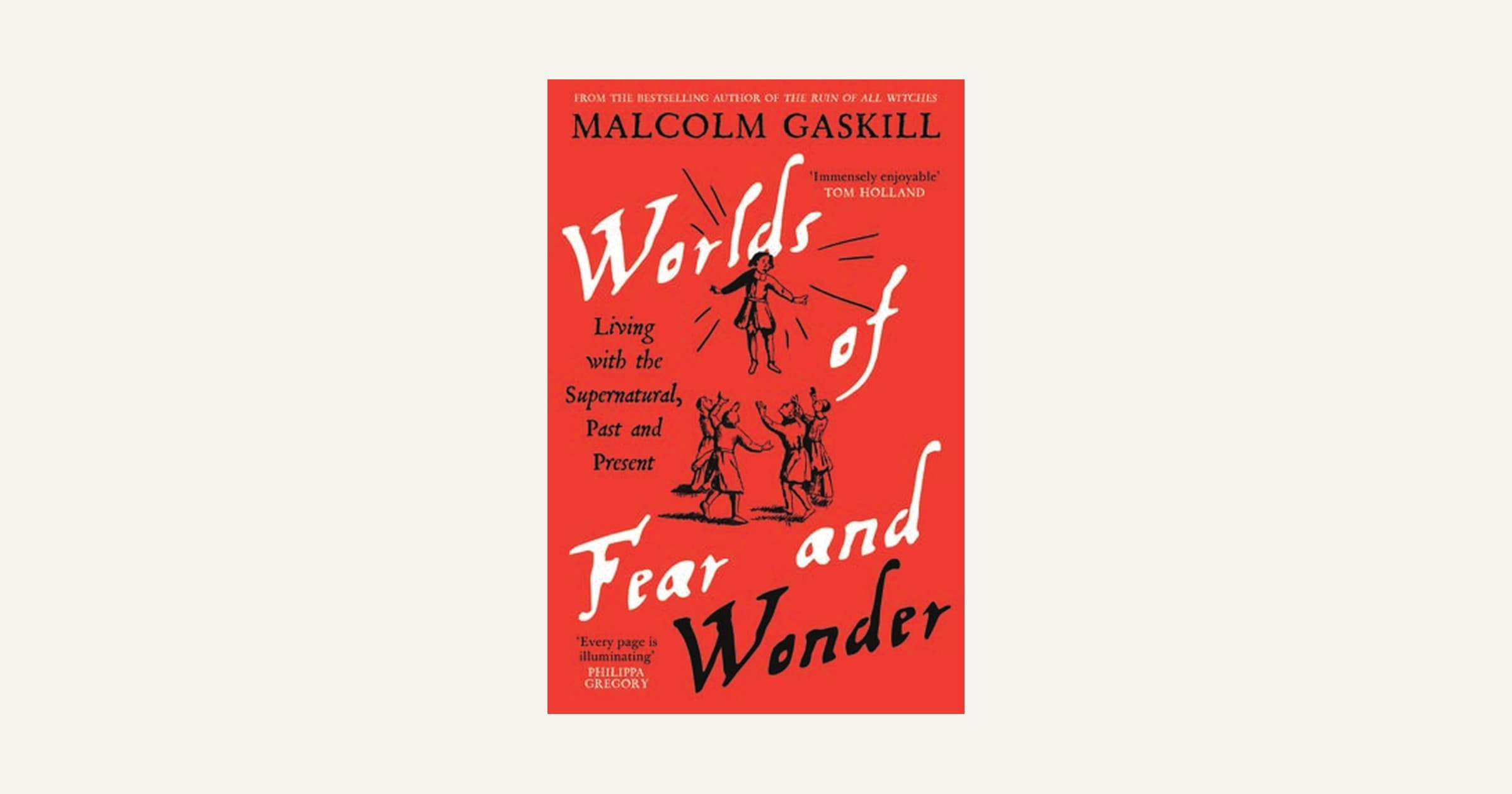

subscribe to the catholic herald today
Our best content is exclusively available to our subscribers. Subscribe today and gain instant access to expert analysis, in-depth articles, and thought-provoking insights—anytime, anywhere. Don’t miss out on the conversations that matter most.
Subscribe



