


February 12, 2026

Can my son date an AI chatbot? One of the Herald’s chaplains answers your questions

Chaplain
More
Related
Min read
share

A concerned Catholic: My son, in his late twenties, recently broke up with his girlfriend. I was horrified when he told me that he is dating, not a human, but an AI character. Please tell me that I am not just being old-fashioned. Surely our faith has something to say on the subject?”

Chaplain: Our faith certainly does have something to say on the subject. We live in a world which, if described in a science fiction novel a generation ago, would have been dismissed as far-fetched and fantastical. AI offers great opportunities and challenges. An app launched in 2024 introduced an AI priest, Fr Justin, to answer basic questions about Catholicism. He was withdrawn after providing incorrect information about Baptism and claiming to be able to absolve users’ sins. AI apps cannot offer an authentic substitute for human relationships or spiritual growth, which cannot be reduced to an algorithm managing vast amounts of data to provide responses to given scenarios.


Your son is not alone in seeking emotional support or a romantic relationship with an AI companion. This provides a commercial opportunity for AI companies. Users claim that humans are moody, complicated and unreliable. By contrast, they say that AI companions are dependable; they will provide what you want, when you want. This is a major concern: users are purchasing a product, not striving for the human growth which results from working through the differences and difficulties of personal relationships. Most users say that they can distinguish these AI tools from human relationships. In practice, that is not always apparent; they can disengage from human relationships with all their complexities.

Pope Leo has identified artificial intelligence as a major issue of our time: humans risk ceding too much control to what remain remarkable tools. Prior to his election, the Vatican issued a document, Antiqua et Nova, which you may find helpful (see paragraphs 56 to 63). As the title suggests, the Church in no way opposes new technology at the service of humanity. That, however, is the point: technology must be at the service of the common good; it must be guided and controlled by humans.

The modern understanding of the human person is very much shaped by the Church’s reflection over the centuries on the nature of the persons of the Trinity and the two natures of the person of Christ. The concepts and vocabulary developed in that process can aid our understanding of the proper role of AI in relation to the human person.

We believe that the human person is created in the image and likeness of God. This is evident in our rationality, capacity for free decision and moral responsibility. Christian philosophers have defined the human person as an individual substance of a rational nature. AI apps are not rational in this sense. They can process vast quantities of data very rapidly in performing tasks determined by pre-set algorithms, but they are not concerned with the authentic search for truth and spiritual meaning, nor do they pursue the logical processes we humans use for that purpose.

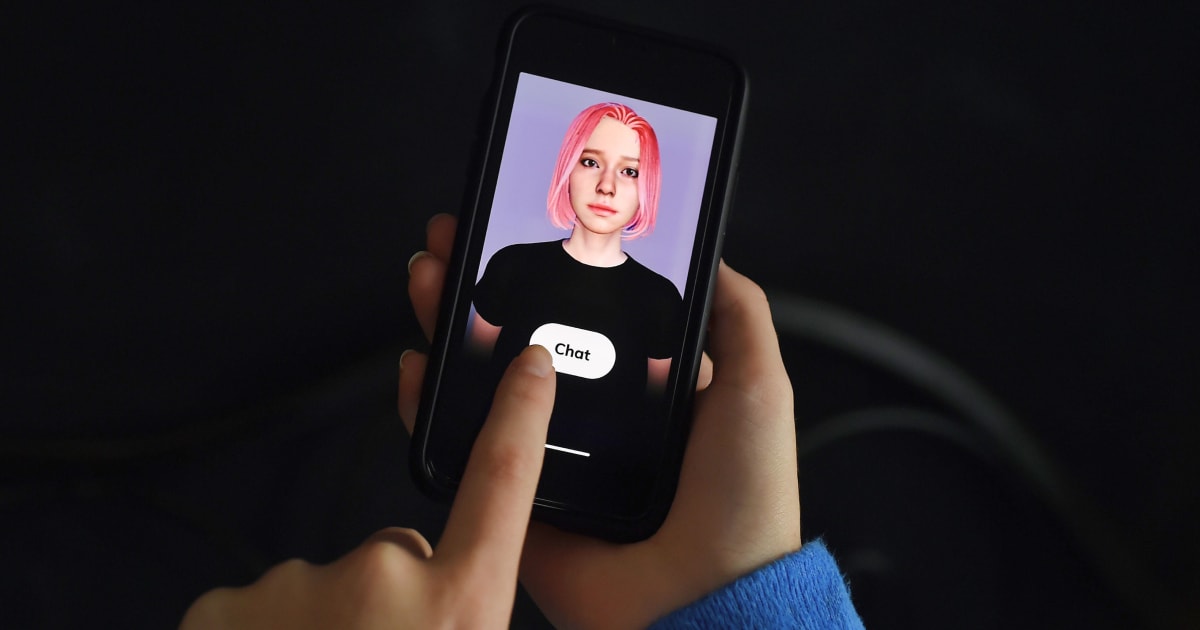
While AI apps will continue to develop, making use of 3D avatars and virtually generated images, there is another aspect in which they cannot offer the equivalent of a human relationship. Human beings are embodied souls. Created by God, the body is good. We express spiritual love through our physical bodies. Every human person is created for relationship. There is a need to receive and give tenderness through physical proximity and touch. The ultimate expression of this is the love of spouses resulting in the gift of a child. No AI companion can match the mystery of human life and love, founded, as it is, upon the divine.

Christian theology understands the need for equivalence and diversity in the relationship between the divine Persons. Father, Son and Holy Spirit share the one divine substance while being distinct Persons. Human relationships require similar equivalence and diversity. For relationships to be possible and meaningful, we must share the same human nature while being distinct persons, and indeed different, complementary genders in order to create new life. This is an underlying problem with AI. We lack a shared nature to make our relationships creative and fulfilling. Simultaneously, because of the need to control the type of AI companion we desire, there is also a lack of necessary distinction. An AI companion is created by humans and cannot have an interior life. It is created to serve pre-programmed purposes, usually reflecting our own preferences and prejudices. There is no genuine interpersonal relationship producing growth and life.

How best can you help your son? Children do not react well to criticism, however well intended, of their boyfriends and girlfriends. Do not simply be dismissive of his AI companion. Acknowledge any hurt caused by his former girlfriend. Through your presence and unconditional love, show him that human relationships can be dependable and fulfilling. Discreetly introduce him to others. Inform yourself on the subject and bring the matter to prayer. Ask the Holy Spirit for the wisdom to speak to him at the right moment, with the right words, about his relationship with God, the One who is completely loving and utterly dependable.

A concerned Catholic: My son, in his late twenties, recently broke up with his girlfriend. I was horrified when he told me that he is dating, not a human, but an AI character. Please tell me that I am not just being old-fashioned. Surely our faith has something to say on the subject?”

Chaplain: Our faith certainly does have something to say on the subject. We live in a world which, if described in a science fiction novel a generation ago, would have been dismissed as far-fetched and fantastical. AI offers great opportunities and challenges. An app launched in 2024 introduced an AI priest, Fr Justin, to answer basic questions about Catholicism. He was withdrawn after providing incorrect information about Baptism and claiming to be able to absolve users’ sins. AI apps cannot offer an authentic substitute for human relationships or spiritual growth, which cannot be reduced to an algorithm managing vast amounts of data to provide responses to given scenarios.

Your son is not alone in seeking emotional support or a romantic relationship with an AI companion. This provides a commercial opportunity for AI companies. Users claim that humans are moody, complicated and unreliable. By contrast, they say that AI companions are dependable; they will provide what you want, when you want. This is a major concern: users are purchasing a product, not striving for the human growth which results from working through the differences and difficulties of personal relationships. Most users say that they can distinguish these AI tools from human relationships. In practice, that is not always apparent; they can disengage from human relationships with all their complexities.

Pope Leo has identified artificial intelligence as a major issue of our time: humans risk ceding too much control to what remain remarkable tools. Prior to his election, the Vatican issued a document, Antiqua et Nova, which you may find helpful (see paragraphs 56 to 63). As the title suggests, the Church in no way opposes new technology at the service of humanity. That, however, is the point: technology must be at the service of the common good; it must be guided and controlled by humans.

The modern understanding of the human person is very much shaped by the Church’s reflection over the centuries on the nature of the persons of the Trinity and the two natures of the person of Christ. The concepts and vocabulary developed in that process can aid our understanding of the proper role of AI in relation to the human person.

We believe that the human person is created in the image and likeness of God. This is evident in our rationality, capacity for free decision and moral responsibility. Christian philosophers have defined the human person as an individual substance of a rational nature. AI apps are not rational in this sense. They can process vast quantities of data very rapidly in performing tasks determined by pre-set algorithms, but they are not concerned with the authentic search for truth and spiritual meaning, nor do they pursue the logical processes we humans use for that purpose.

While AI apps will continue to develop, making use of 3D avatars and virtually generated images, there is another aspect in which they cannot offer the equivalent of a human relationship. Human beings are embodied souls. Created by God, the body is good. We express spiritual love through our physical bodies. Every human person is created for relationship. There is a need to receive and give tenderness through physical proximity and touch. The ultimate expression of this is the love of spouses resulting in the gift of a child. No AI companion can match the mystery of human life and love, founded, as it is, upon the divine.

Christian theology understands the need for equivalence and diversity in the relationship between the divine Persons. Father, Son and Holy Spirit share the one divine substance while being distinct Persons. Human relationships require similar equivalence and diversity. For relationships to be possible and meaningful, we must share the same human nature while being distinct persons, and indeed different, complementary genders in order to create new life. This is an underlying problem with AI. We lack a shared nature to make our relationships creative and fulfilling. Simultaneously, because of the need to control the type of AI companion we desire, there is also a lack of necessary distinction. An AI companion is created by humans and cannot have an interior life. It is created to serve pre-programmed purposes, usually reflecting our own preferences and prejudices. There is no genuine interpersonal relationship producing growth and life.

How best can you help your son? Children do not react well to criticism, however well intended, of their boyfriends and girlfriends. Do not simply be dismissive of his AI companion. Acknowledge any hurt caused by his former girlfriend. Through your presence and unconditional love, show him that human relationships can be dependable and fulfilling. Discreetly introduce him to others. Inform yourself on the subject and bring the matter to prayer. Ask the Holy Spirit for the wisdom to speak to him at the right moment, with the right words, about his relationship with God, the One who is completely loving and utterly dependable.

subscribe to
the catholic herald

Continue reading your article with a subscription.
Read 5 articles with our free plan.
Subscribe

subscribe to the catholic herald today

Our best content is exclusively available to our subscribers. Subscribe today and gain instant access to expert analysis, in-depth articles, and thought-provoking insights—anytime, anywhere. Don’t miss out on the conversations that matter most.
Subscribe