

Describing Pope Francis’ synodality as “irreversible” and the decline in Church figures as “healing”, two prominent cardinals have weighed in on the future of the Church in Europe.
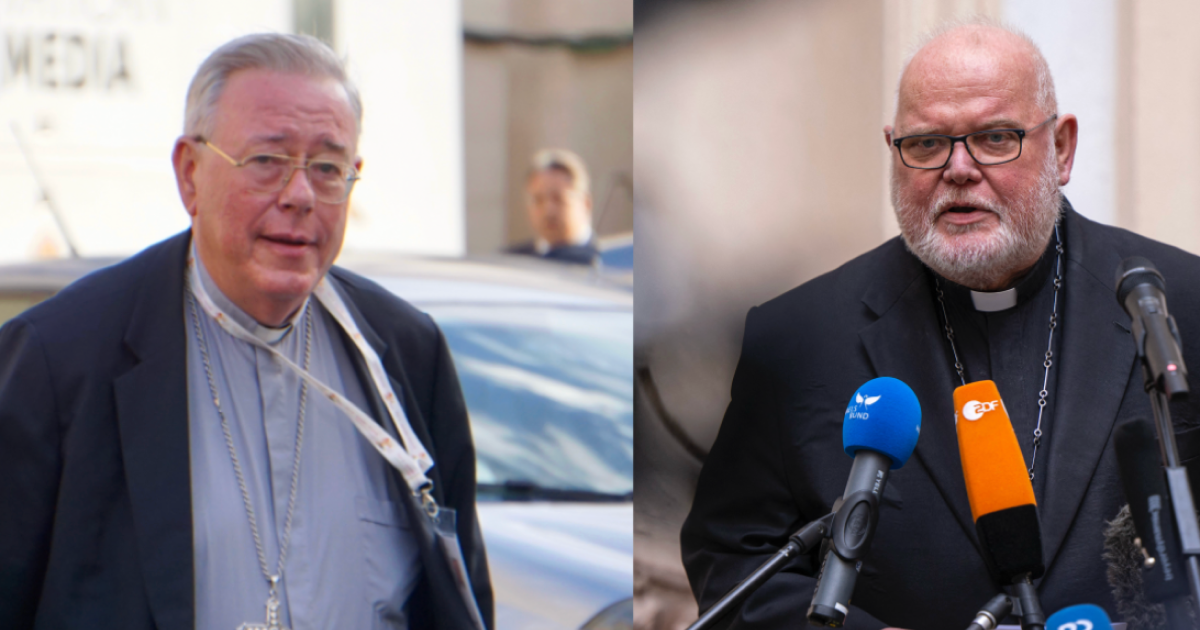
Synodality is impossible to forestall, Cardinal Jean-Claude Hollerich attested this past week. Luxembourg’s Cardinal Hollerich served as the relator general of the multi-year Synod on Synodality and thus – alongside Cardinal Mario Grech – has become one of the most vocal champions of Pope Francis’ synod and synodal style.
Synodality, as begun by Pope Francis, is “irreversible” Hollerich claimed. Its goal is to change the Catholic Church which operates “from above” to become a more democratic Church. “We need a Church of the Christians, where I, as a bishop, am among the Christians,” he stated.
Hollerich described such a change as necessary, but noted that it must be supported across the Church, otherwise it would lead to “conflict and division”.
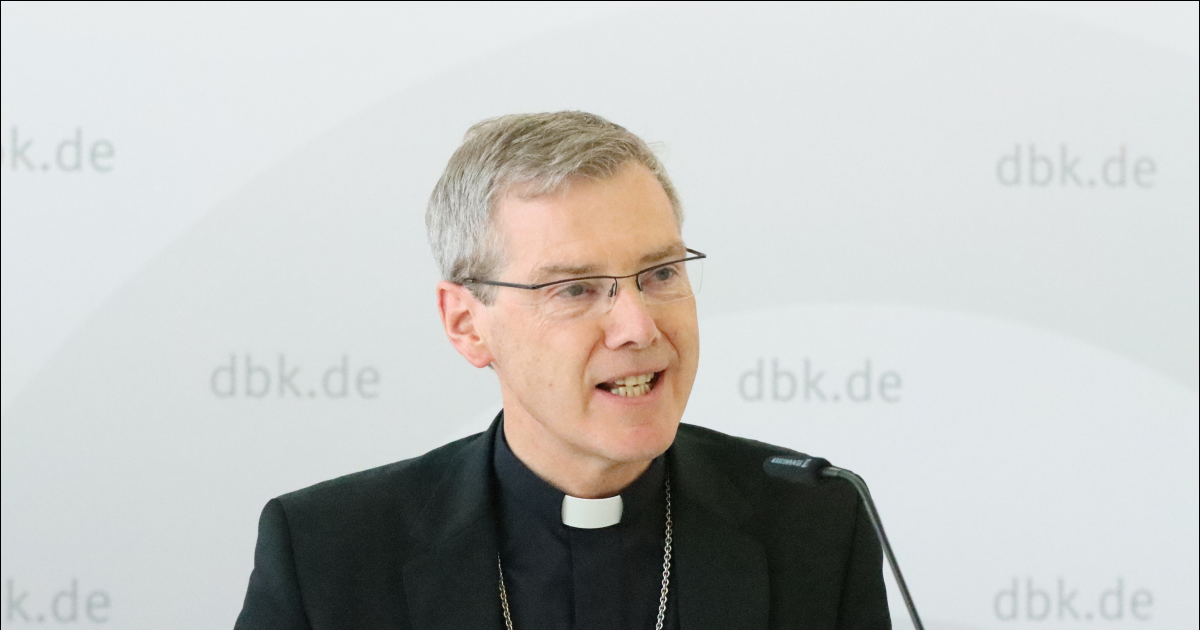
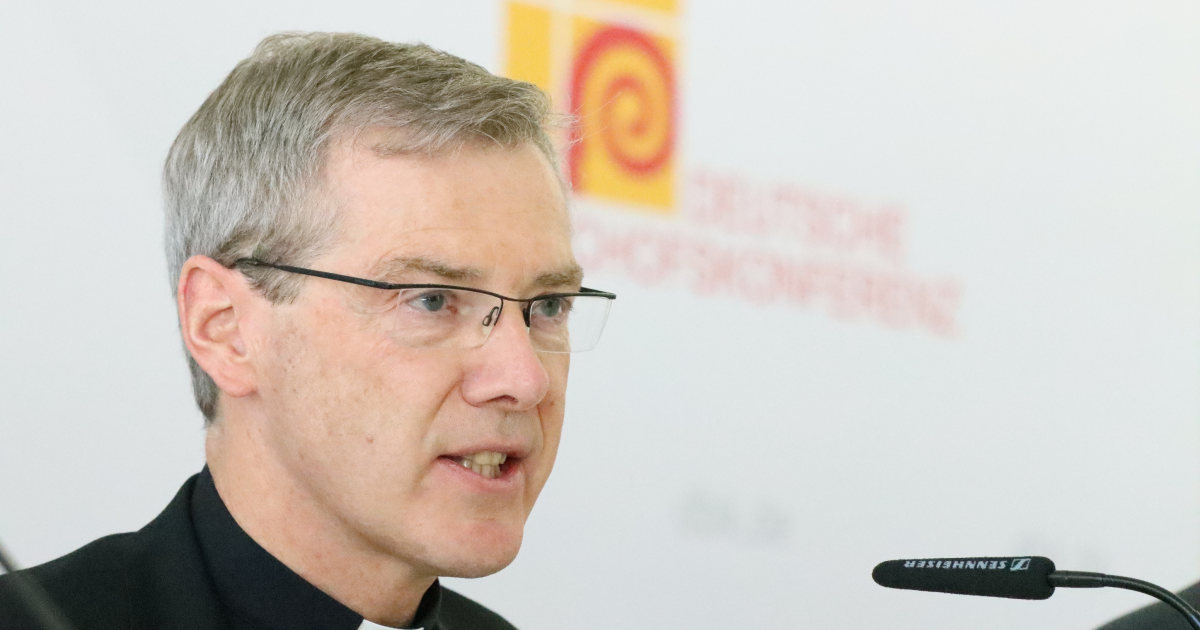
The cardinal made his comments on the sidelines of the “Shaping Synodality in Europe” conference, held near Puchberg in Austria. It was at that same conference that German bishops’ conference chairman Bishop Heiner Wilmer argued that the Church must be synodal in order for society to survive.
Although echoing the “necessity” theme expressed by many of the key advocates of the Synod on Synodality, Hollerich did not identity why Pope Francis’ synodality must be “irreversible”. Since it formally began in 2021, the Synod has been marked by controversy due to its style and composition, along with its discussions and action items.
A clear definition of synodality has been lacking, leading to very different interpretations from different continents. The view taken by the African delegates was that synodality simply meant how they lived their Catholic life already: the clergy in charge with a lively community life in which people of all ages were involved in activities. For the majority of those from the Anglosphere, synodality appeared to be a topic which was never fully understood, hence such delegates largely followed the dominant spirit. Another minority interpreted synodality as call to change their current practices and involve more collaboration between clergy and laity in appropriate areas, especially where the laity were more suited to take leading roles.
Against such differing views, it was thus the most vocal advocates who carried the greatest weight at the Synod on Synodality – figures such as those already entrenched in the Roman Curia, or the delegates from Germany and central Europe who had participated in Germany’s Synodal Way in previous years and laid down something for the Synod to imitate. Throughout the years, this small but dominant group formed synodality according to its own desires.
Pope Francis’ style of synodality proved so controversial precisely because it equated the laity with the clergy in terms of ecclesial governance, whilst also questioning unchanging teaching and platforming activists seeking to overturn such teaching. “Irreversible” is one choice of description: “confusing, poisonous and heretical” were among those used by critics. Recently, the eminent Church historian Cardinal Walter Brandmüller warned that it stemmed from a Protestant mentality.
Critics have also argued that the immense focus on synodality is proving detrimental to the Church’s mission of evangelisation. But Hollerich rejected any such concerns.
Asked about the well documented decline of the Church’s attendance and practice of the faith, Hollerich replied that the “process of decline that is also a process of healing.” No further explanation was offered on this claim, although the cardinal did call it “truly alarming” that those still attending Mass did not adhere to the full Creed. Yet his own tenure in the see of Luxembourg over the past 15 years has witnessed a steady decline in numbers of Catholics. Clearly the cardinal’s own style, whatever it may be, is not fruitful.
Interviewed last week, the Archbishop of Munich and Friesing – Cardinal Reinhard Marx – noted his own efforts to link the Synodal Way with the Synod on Synodality. “I had promised Pope Francis at the time that I would personally advocate for the Synodal Path in Germany to align with the synodal process of the universal Church. And I see that this can be achieved.”
As for the Synod on Synodality, Marx commented that “a lot is still in flux there, and things are moving forward.”
One key issue is that although such cardinals are aware of the Church’s decline, there seems to be no real plan or even desire to arrest it. As Hollerich himself stated, the loss of faith is a “process of healing”.
The annual figures published by the Vatican have clearly documented the sorry demise of Catholicism in Europe over past years. Just this past week, Vatican statistics about Catholicism in France point to a drastic demise of the Eldest Daughter of the Church. Between 1980 and 2024 there has been a 68 percent drop in clergy numbers, while Catholics have drop from 84.7 percent to 74.9 percent of the population.
No figure was given about what proportion of that figure believed the entirety of the faith and this aspect is significant. In Germany, despite the Catholic population totalling just over 19 million, less than seven percent attend Sunday Mass.
The true state of the Church is far worse than most surveys document, but for Cardinals Hollerich and Marx the answer appears to be synodal even more determinedly than before.
Michael Haynes is an English journalist in the Holy See Press Corps. He serves as Vatican Correspondent for the Catholic Herald, while readers can follow him at Per Mariam and on X @MLJHaynes.