August 18, 2026

Cologne cardinal: Defining synodality a ‘major challenge’ for Church

Michael Haynes
More
Related
Min read
share

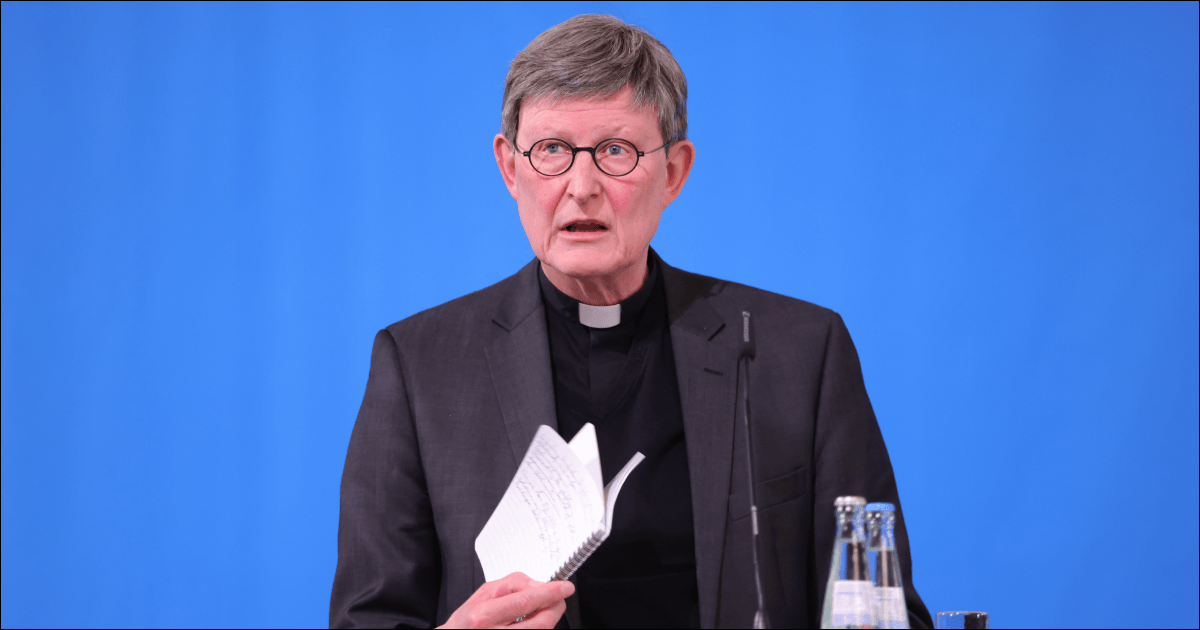
Defining synodality is a “major challenge” for the Church, Cologne’s Cardinal Rainer Woelki has said, while also urging parity between the Novus Ordo and the traditional Mass.

Cardinal Woelki has led his native Archdiocese of Cologne since September 2014, after having already been created cardinal in February 2012. In recent years he has been one of the handful of German prelates expressing scepticism about the direction of Germany’s Synodal Way.  

Speaking to Die Tagespost on the occasion of his 70th birthday, Woelki opined that understanding the concept of synodality would be a key part of the Church’s future and identity. “A major challenge lies in defining for the universal Church what synodality is,” he said.  
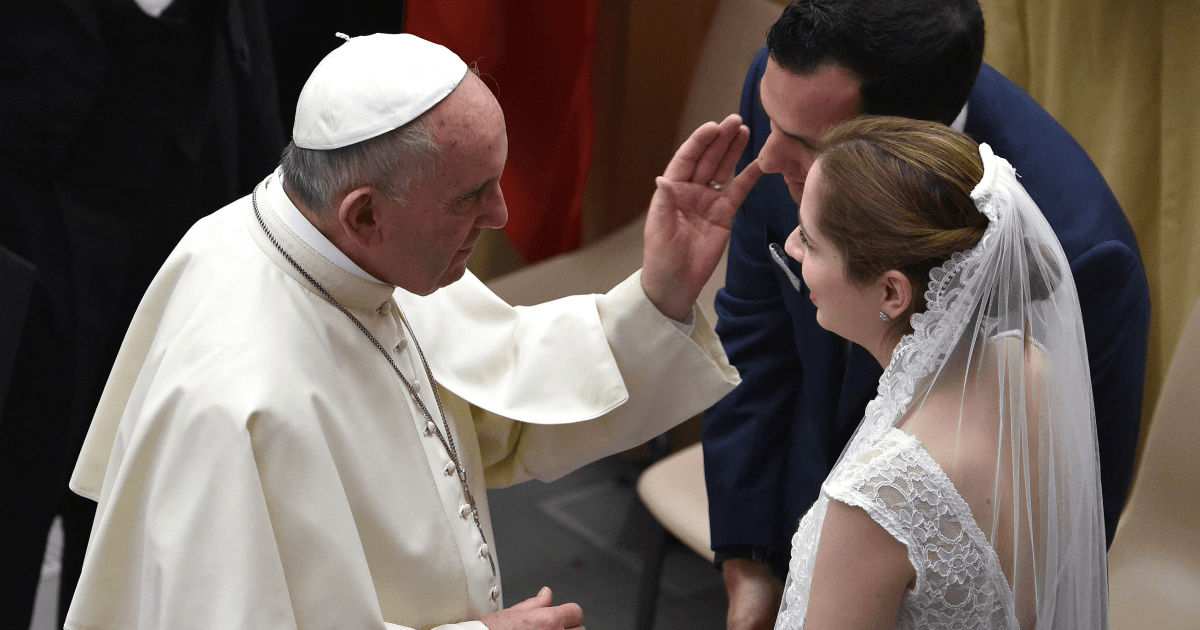
He referenced Pope Leo XIV’s promotion of synodality as a priority for the Church, commenting that “synodality is one side of the coin, and the other side is evangelisation.”  

“Synodality is a tool for evangelisation and mission,” which in Leo’s assessment – Woelki said – is “a spiritual path of seeking in the Holy Spirit and discerning the spirits.”  

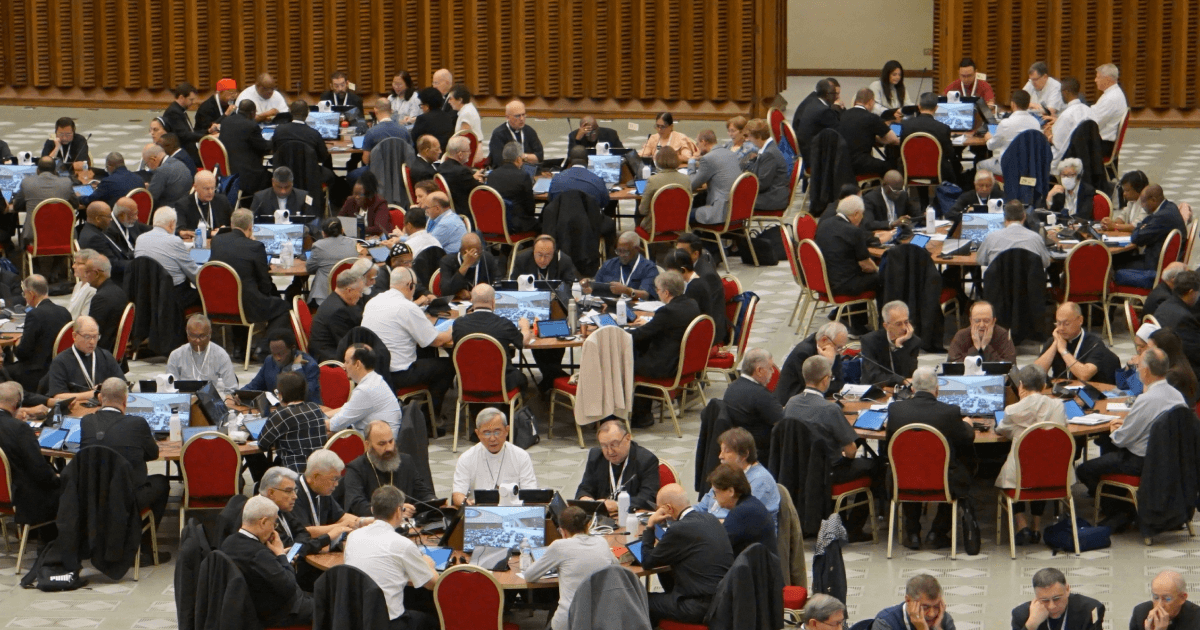
Critics of the Synod on Synodality have warned that the event and accompanying style poses a threat to the hierarchical nature of the Church, both in terms of the equal footing given to lay and clerical voters and the style of questioning everything, including established Church teaching.  

Viewed almost as a precursor to the global Synod on Synodality, Germany’s Synodal Way in particular has garnered especially attention and criticism from prelates internationally and in Germany itself. Woelki has commented a number of times about his own concerns with the Synodal Way, stating more recently that for him “the Synodal Way is over”. Commenting in January, Woelki stated that “from a certain point onward, the Synodal Path in Germany became primarily about implementing certain church-political positions.”

This sentiment he reiterated to Die Tagespost. “In Germany, we were primarily focused on implementing certain formats for participation and forms of co-determination. In doing so, we overlooked the fact that the Church is hierarchically structured and sacramental.”  

Synodality is and must be “always and only about recognising what the Lord wants from us,” he said.

The cardinal downplayed any suggestion of Germany forging its own special doctrinal path, something which many other critics of the German Synodal Way have referred to as heresy or schism. “There will be no ‘German special path,’” he said.  

For Woelki, the relationship between the German Bishops’ Conference (DBK) and the Holy See is a positive one as he lauded the fact that the DBK’s proposals “have been submitted to the Pope” and “now we are waiting to see where the Holy Father and his collaborators will make the corrections that I believe are necessary.”

The Holy See has already begun responding to some of the DBK’s proposals, most notably the request for lay preaching which was firmly rejected by the Vatican in June. This has already been ignored in practice by certain German dioceses, with implementation of the ruling appearing to be a key issue in ensuring its efficacy. Though not referencing this or anything in particular, Woelki noted the necessary subordination required for the DBK: “It remains the task of the Magisterium to define what the Church’s faith and doctrine are and what is constitutive of her apostolicity and catholicity.”

Traditional Mass

Synodality is not the only prominent topic of conversation in the Catholic Church today. The traditional Mass is very much front and centre in the Church in recent weeks, thanks to the episcopal consecrations performed by the Society of Saint Pius X on July 1. Questioned about the old rite, Woelki downplayed the suggestion of involving the traditional Mass in a more intimate way into his evangelisation plans.  

The old Mass “doesn’t play a separate or prominent role for us”, he said. “I see myself as firmly rooted in the tradition and teaching of the Second Vatican Council. The liturgical reform was one of the essential reforms there – we shouldn’t forget that.”  

The cardinal also sought to move away from any liturgical juxtaposition, saying that “I don’t want to pit one against the other.”

In his assessment “we need a healthy mix of traditions that can grow together,” something which Woelki said already existed in his Archdiocese of Cologne. He praised the traditional-Mass order Fraternity of Saint Peter for their work in Cologne, referring to it “as an enrichment, because there have always been different rites within the Church.”  

He echoed the Pope’s recent call for an end to liturgical abuses, noting that “these cannot be tolerated”. But the cardinal added that liturgical abuses are “not limited to the reformed liturgy”.

He also attested that the Novus Ordo is on an equal footing with the traditional Mass, since it possesses “a beauty and dignity that are in no way inferior to those of the Tridentine Rite.”  

Drawing from Pope Leo’s recent call for liturgical reverence and propriety, Woelki urged that less focus be given to the age of the rite, and more instead given to the “ars celebrandi”.

“If we were to expect the Tridentine Mass to provide answers to questions about the Church and the faith, we would be on the wrong track,” he said.

Woelki has become somewhat of an embattled figure among the German episcopate in recent years. A number of factors are behind this, including in no small part criticism over his handling of sexual abuse cases and the fact that he is the lone cardinal in Germany expressing such opposition to the Synodal Way.  

Twice, Woelki has had his resignation refused by the Holy See, after he submitted it in relation to the sexual abuse crisis. He remains a prominent voice in the German episcopate, along with being a cardinal-elector for another ten years, in the very unlikely eventuality of a conclave occurring in that time.

Michael Haynes is an English journalist in the Holy See Press Corps. He serves as Vatican Correspondent for the Catholic Herald, while readers can follow him at Per Mariam and on X @MLJHaynes.

Continue reading with a free account

Create a free account to read up to five articles each month
Create free account

You have # free articles remaining this month.

Subscribe to get unlimited access.
Sign up

subscribe to the catholic herald today

Our best content is exclusively available to our subscribers. Subscribe today and gain instant access to expert analysis, in-depth articles, and thought-provoking insights—anytime, anywhere. Don’t miss out on the conversations that matter most.
Subscribe