In my recent piece for the Catholic Herald, I commented on Prof Bullivant’s research which showed that a third of all those ordained priest in the Catholic Church in England and Wales since 1992 had previously been Anglican priests. I set out some of the reasons why this has happened and will continue to happen. Whether this is a trickle or a flood will depend on circumstances in the Church of England and the Church in Wales, and also on how the Catholic Church is prepared to receive clergy and lay people fleeing increasing revisionism in doctrinal and moral matters and further distancing from any claims to continuing Apostolic Succession in these churches.
As a result of my piece, I received correspondence from a number of Anglican clergy saying that they too were seriously thinking of ‘crossing the Tiber’ but were facing some difficulties in doing so. I have discussed these with colleagues both in England, including Prof Bullivant himself, and with those in Rome.
As you might expect, some of these difficulties have to do with financial worries, especially for those with families and where they may be the main breadwinner. There are also concerns about housing and about any further formation, and its length, that they may be expected to undertake. Beyond these more obvious concerns, there are questions about continuing pastoral responsibility which clergy feel for their congregations and, to a lesser extent, their attachment to historic buildings and their place as foci in local communities, as well as their own standing in community life.
As to financial worries, I understand that both the St Barnabas Society and the Friends of the Ordinariate have funds to assist in the transition with living expenses, education and housing. This is very encouraging to hear. I am communicating this to clergy who have been in touch with me and have expressed these concerns. I do pray they will be able to access these resources and that more resources will also become available.
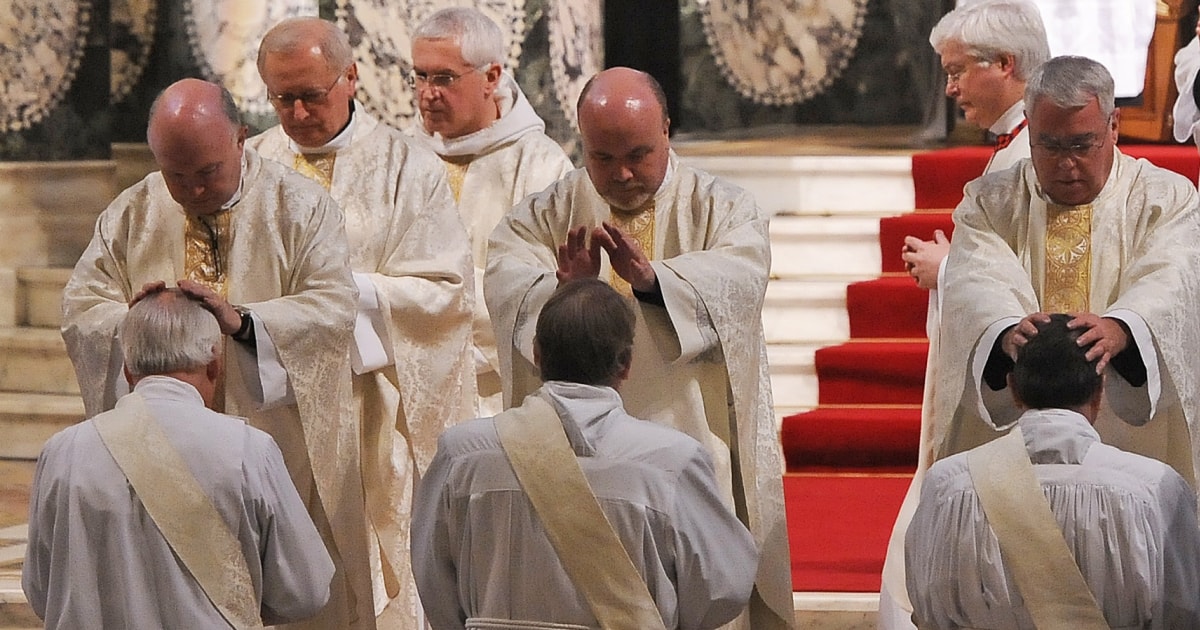
Where formation is concerned, one of the issues is that there is now such a wide range of theological education among Anglican clergy that it is difficult to prescribe a ‘one size fits all’ approach. There are certainly those who require, and may even welcome, the full three years that Rome is asking of them. On the other hand, there are also those with significant graduate and postgraduate qualifications, as well as considerable pastoral experience, for whom this may not be appropriate. As a Vatican official remarked, each case must be assessed on its own merits. I certainly hope so.
Just to take one example at random, Dr Robin Ward, until recently the Principal of St Stephen’s House in Oxford, has been received into the full communion of the Catholic Church. I sincerely hope he will be ordained in the Catholic Church. It cannot seriously be suggested that he should have a further three years’ formation at one of the Church’s seminaries before he can be ordained deacon and then priest.
The Church needs a strategy about how these people are deployed once they are deemed to be ready. They should certainly do some learning for themselves, but the Church might also benefit from the theological and pastoral culture which they bring with them. This may be in the way in which they naturally see their ministry extend to the wider community in which the parish is set, as well as to the gathered congregation. There may be a greater willingness to take English or Welsh culture seriously and to use the liturgy of the Church with solemnity and imagination, but also as a framework that frees rather than binds. Their approach to theology, which is likely to be biblical, historical and inductive, could be a useful complement to those which are philosophical, allegorical and deductive. The appropriate involvement of lay people in the worship and prayer of the Church, as well as in consultation about parish affairs and in catechesis, will also come naturally to them.
There is a treasure here to be retrieved and a valuable crop to be harvested. Let us be ready for it as and when the time comes.