


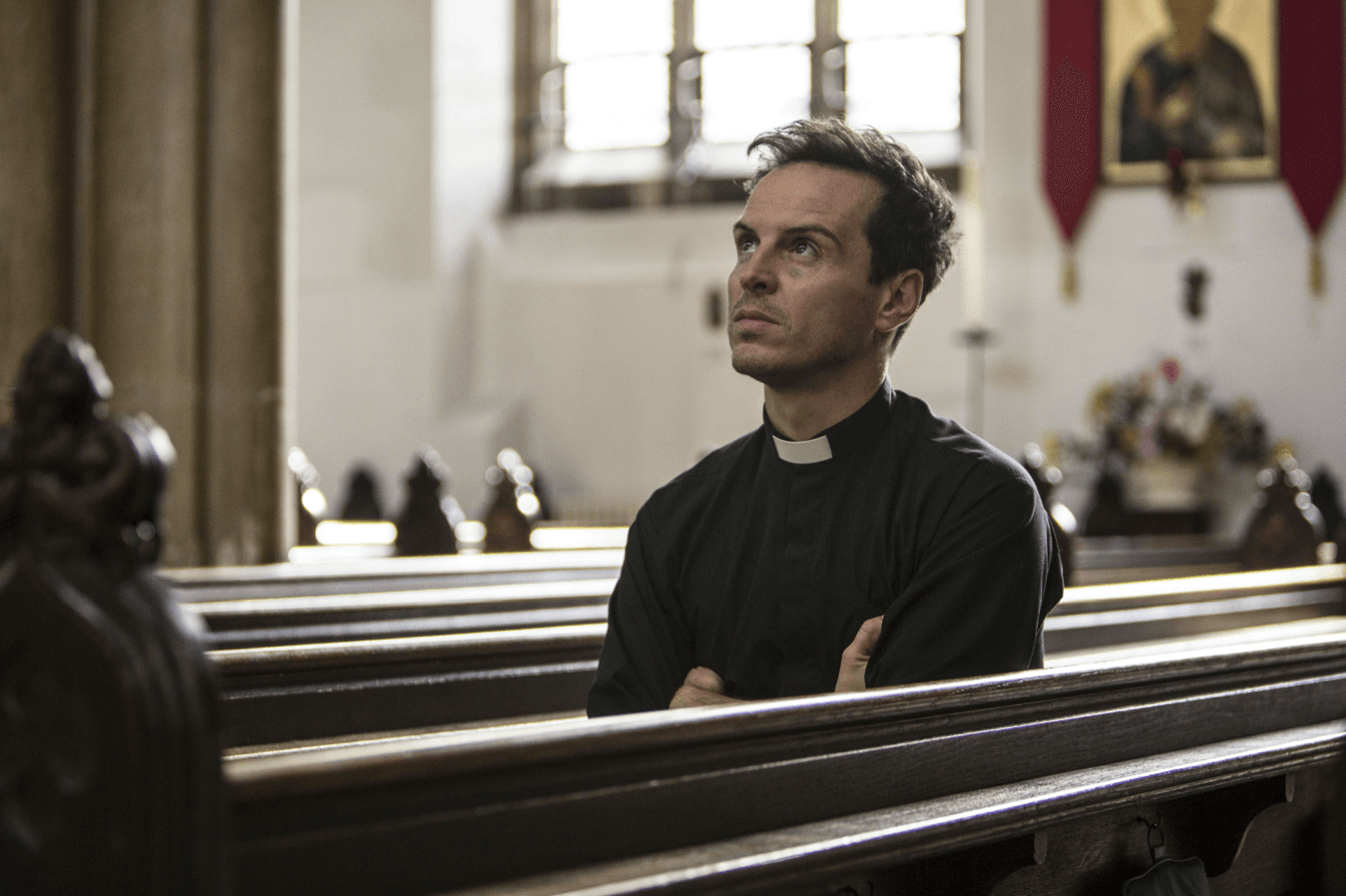
They say he is responsible for a surge in church attendance and sales of Marks & Spencer canned G&T (up by 24 per cent since he pulled the ring tab at 11 am in an episode). His legion of Twitter and Instagram fans have dubbed him “HP” for “hot priest”. There’s no denying it: Andrew Scott’s priest in the cult television series Fleabag is a sensation. He is sensitive, funny and modest, and definitely as cute as the dog-collared poster boys featured in the Calendario Romano. He also, sin of all sins, ends up in bed with the heroine. But I feel this priest deserves to be granted absolution, once he confesses, for he is that rare thing – a sympathetic Catholic priest in a contemporary popular work of fiction. In this 21st-century version of Thorn Birds, Phoebe Waller-Bridge, the multi-talented creator of Fleabag, has struck a chord with her all-too-human cleric, a spiritual seeker hoping for a glimpse of God and striving, if often failing, for goodness. In this, he is in sync with the millennial mindset which, according to the authoritative Pew Research Center, ranks spirituality as hugely important. The majority of young millennials seek purpose and meaning, just like Fleabag’s fictional heroine and priest. And just like them, millennials are anguished by the choices before them. How can we be virtuous in this world of temptations? How can we love our neighbour as ourselves when most of the time we are riddled with self-doubt (if not downright dislike)? In the end the “HP” breaks one of the ultimate taboos, showing himself to be flawed and weak, in the mould of Graham Greene’s whisky priest in The Power and the Glory. Yet, as that 1940 novel reminds us, even when the priest is a “corrupt vessel”, the grace and forgiveness of God flow through him. Despite its foul-mouthed and dysfunctional appearance, Fleabag drives home a seriously Catholic message about redemption. This seems all the more pertinent today, when Catholics risk being overwhelmed by Vatican scandals and testimonies of priestly abuse. If, in the midst of these ugly global recriminations, a popular television series can portray our priests as human and attractive, I say Amen to that.
2:00 PM
Diary: After the 'whisky priest', here's the G&T priest
they say he is responsible for a surge in church attendance and sales of marks & spencer canned g&t (up by 24 per cent since he pull...
Cristina Odone

5 min read



Already a subscriber? Sign in
5freearticles every month
Continue reading with a free account. No card needed.
- Five free articles every thirty days, on any device you sign in on
- The Catholic Herald newsletter, every morning
- Subscribe whenever you like for everything: every article and the magazine

subscribe to the catholic herald today
Our best content is exclusively available to our subscribers. Subscribe today and gain instant access to expert analysis, in-depth articles, and thought-provoking insights—anytime, anywhere. Don’t miss out on the conversations that matter most.
Subscribe



