***
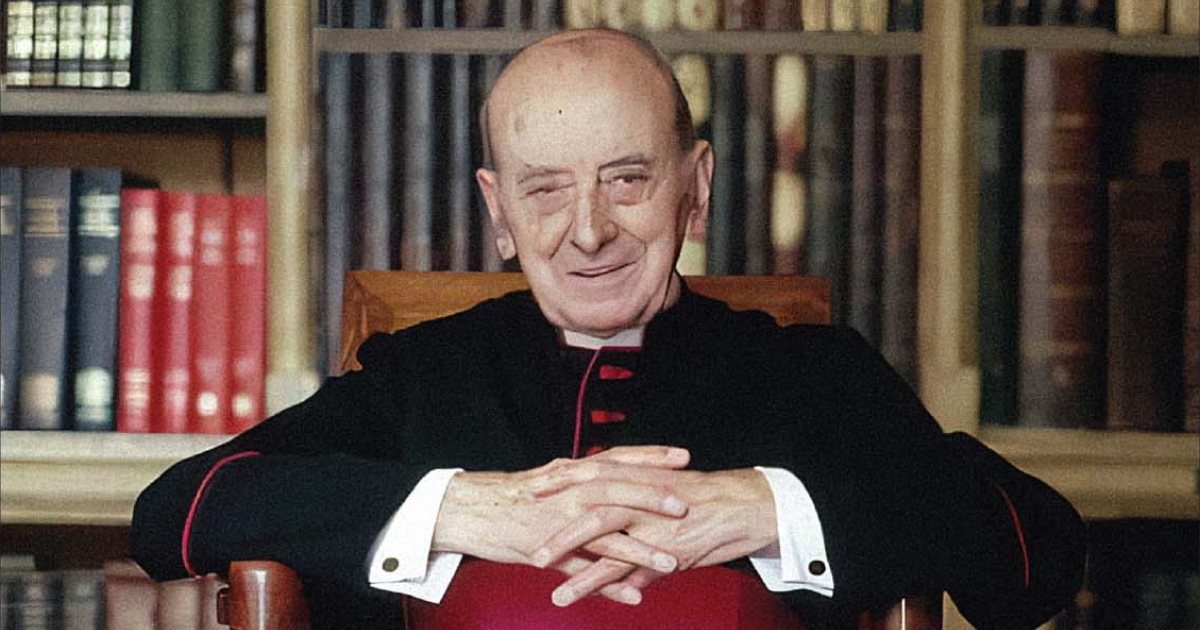
As we are to start the new academic year here in Cambridge, I am struck by a new pattern in my own diary. Alongside the usual obligations of the teaching year, I notice how often the same three letters, “JHN”, keeping cropping up. John Henry Newman will be canonised on October 13, of course, and I look forward to being there for it in Rome – but my calendar is peppered with JHN for many months beyond that. The University Catholic Chaplaincy at Cambridge has Newman-related events extending from October all the way to April. Starting with an introductory talk by Professor Eamon Duffy, Fisher House is hosting a distinguished set of speakers over the next two terms, including Thomas Graff, Jeremy Morris, Guy Nicholls, Amy Daughton, Roderick Strange, Alison Wood and Rowan Williams. A similar menu of events will be on offer in a great number of other places around Britain and across the world. Newman is going to become far more visible this academic year, in our diaries and so therefore in our lives, literally as well as figuratively. Last week I was at a meeting of the Christian Heritage Centre at Stonyhurst, and when it came to discussing proposed decorations to the chapel, provisional artistic sketches were produced showing a tableau of saints that already incorporated Newman in a grouping with John Paul II and Teresa of Calcutta.***
As a scholar of literature, I specially welcome the fresh attention Newman might receive as “one of the greatest masters of quietly exquisite prose that the world has ever seen”. That quotation comes from the late-Victorian critic George Saintsbury, who is characteristically on target here, though he says nothing about Newman as a thinker. Generally, it is the other way around. Far more energy has been devoted to engaging with Newman’s ideas than with his achievement as a stylist, and yet as a thinker he certainly still has pressing lessons for us to learn. Or perhaps to re-learn. Looking only as far as my own professional backyard, I can hardly overstate how much I believe everyone connected with higher education today could benefit from spending time with his The Idea of a University. For me, though, of all the riches Newman has bequeathed to us, it is his seminal book on the philosophy of faith, Grammar of Assent, that is most on my mind this year. Working at a university is a privilege, but the tendency towards intellectual priggishness within academic circles can at times feel narrow, if not perverse. Where cleverness and learning is valued above all else, intuitions of the heart may be too easily held in contempt. A good thing too, some might say, given the emotionally overheated way in which our political and cultural moment is currently being fought out. But in Grammar of Assent Newman challenges us to consider more carefully why we believe what we do, and in particular what positive and indeed necessary relationship there might be between feeling and thinking. “Many a man will live and die upon a dogma,” Newman reminds us, but “no man will be a martyr for a conclusion”. Dr Michael D Hurley is a Reader in Literature and Theology at the University of Cambridge