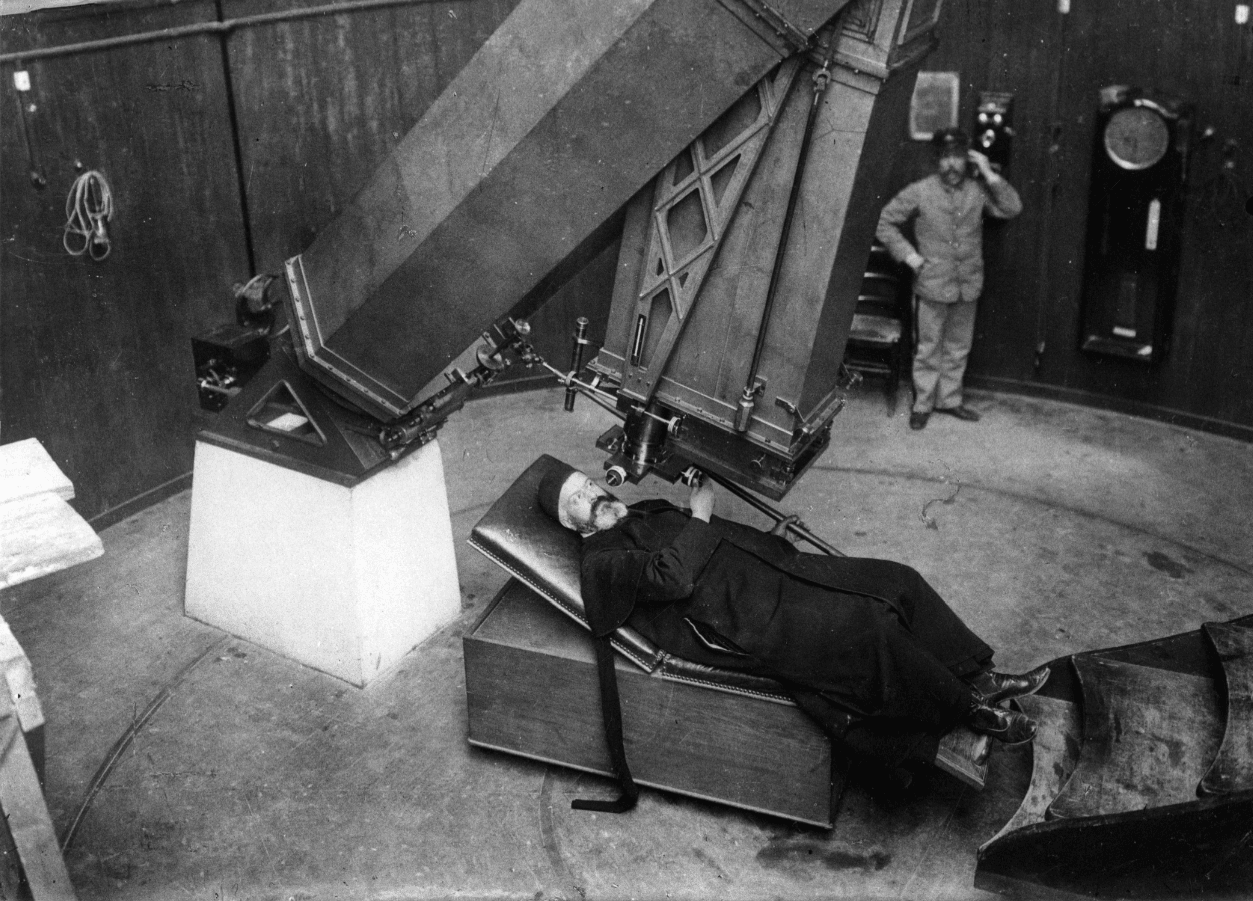



Silly claims about the conflict between science and religion come thick and fast, these days. We know them to be erroneous, but the history of Catholic engagement with any scientific discipline you might care to mention is more spectacular than many of us realise. This isn’t to say that the Church hasn’t cracked down, sometimes foolishly, on maverick boffins or taken its time accepting this or that theory. But on balance, the track record is pretty good.
It is tempting to identify golden ages in Catholic science. The 13th and 14th centuries lead the pack. Albertus Magnus was proving himself to be the smartest chap in Europe, and Roger Bacon was giving new meaning to the word “innovation” and getting all empirical way ahead of his time. Theodoric of Freiberg was analysing rainbows and Albert of Saxony was doing good work on the theory of motion.