



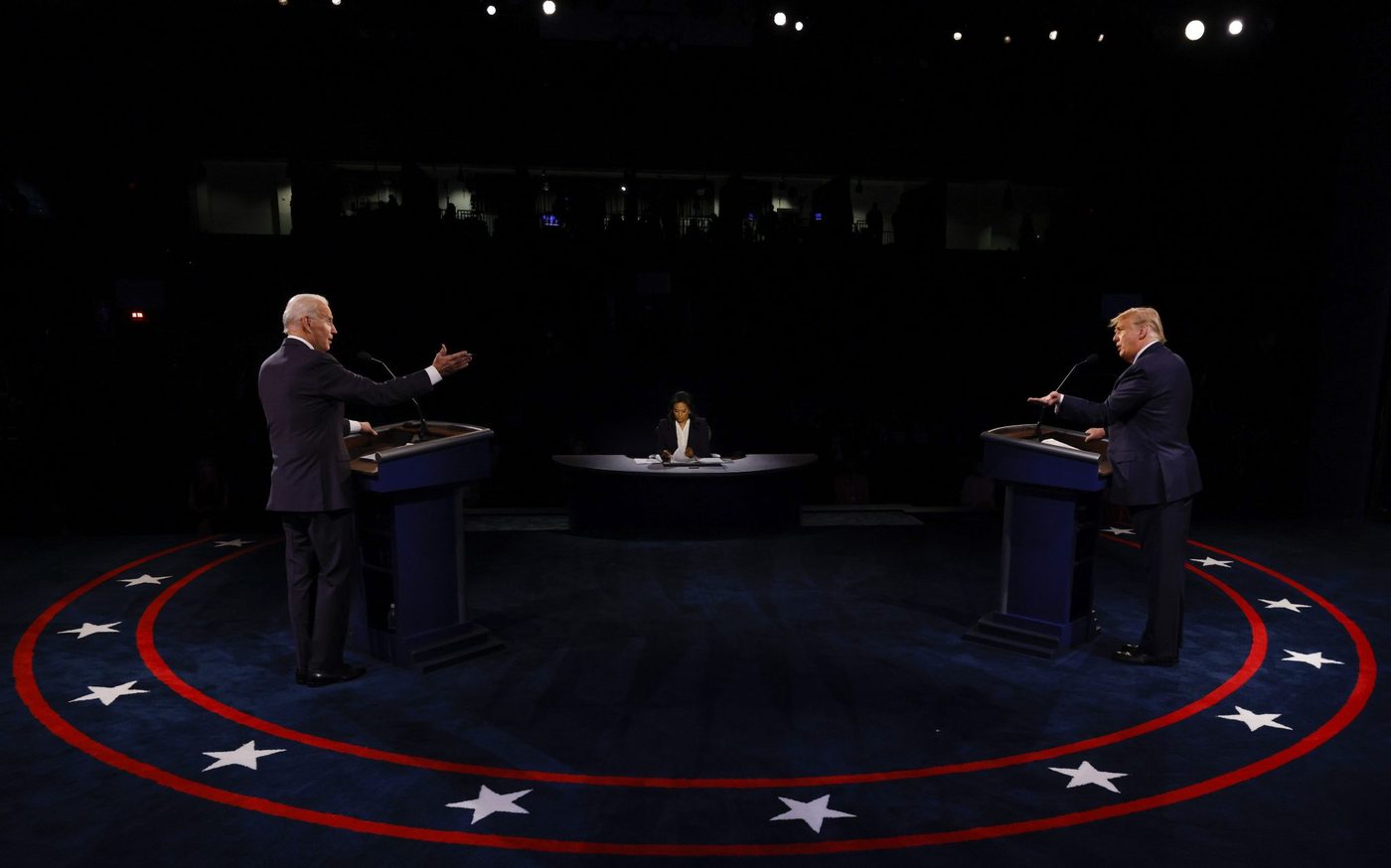
While the world still obsesses over American popular culture, speaks American English and is reshaped by American wars, it is necessary to care about the American elections. They are, admittedly, hard to watch: a “Simpsons parody of a Bosch painting”, as Christopher Altieri puts it on page 18. For many voters, not unreasonably, the most important fact about either candidate is Joe Biden’s enthusiastic support for the abortion industry. For others, it is the obvious vices and potentially disastrous volatility of President Trump. The strongest counter-arguments, meanwhile, are based on downplaying either candidate’s importance: “Maybe Trump won’t be able to do very much, but he might appoint socially conservative judges and officials”; or if you prefer, “Maybe Biden won’t be able to do very much, but his administration is more likely to protect the poor amid the coming economic collapse.” These arguments are thrashed out in our October issue, alongside pieces which take a longer historical view and ask how the United States became so divided. From an outsider’s perspective, the US seems a particularly vivid example of the politics of the post-Christian West: on the one hand, a candidate who plays up his Catholicism and brandishes his rosary in a campaign video while supporting the massacre of the innocents; on the other, a President who courts the Christian vote but whose rhetoric seems to exemplify an ethical code more akin to “Hate your enemies, curse them that curse you, do evil to them that hate you.” Even so, there are signs of hope. The American Solidarity Party, which we featured in these pages last year, is committed to protecting human life and dignity at every stage of existence. In a very different way, the campaign by the rapper Kanye West – in which he has publicly wept about abortion, declared that God must be put at the centre of national life, asked his campaign team (according to the New York Times) to refrain from sex outside marriage, and pledged to tackle structural racism – suggests that America is no lost cause.
1:00 AM
From the editor’s desk: A post-Christian election
Dan Hitchens

2 min read



Already a subscriber? Sign in
5freearticles every month
Continue reading with a free account. No card needed.
- Five free articles every thirty days, on any device you sign in on
- The Catholic Herald newsletter, every morning
- Subscribe whenever you like for everything: every article and the magazine
Related articles
 Newsroom
Church leaders urge Drumcree dialogue: ‘Too much is at stake’
The Catholic and Church of Ireland Archbishops of Armagh have urged a renewed commitment to peace and reconciliation amid the Drumcree stand-off
Corrie Douglas-Young Newsroom
Thousands of Irish children to join global Rosary campaign
Corrie Douglas-Young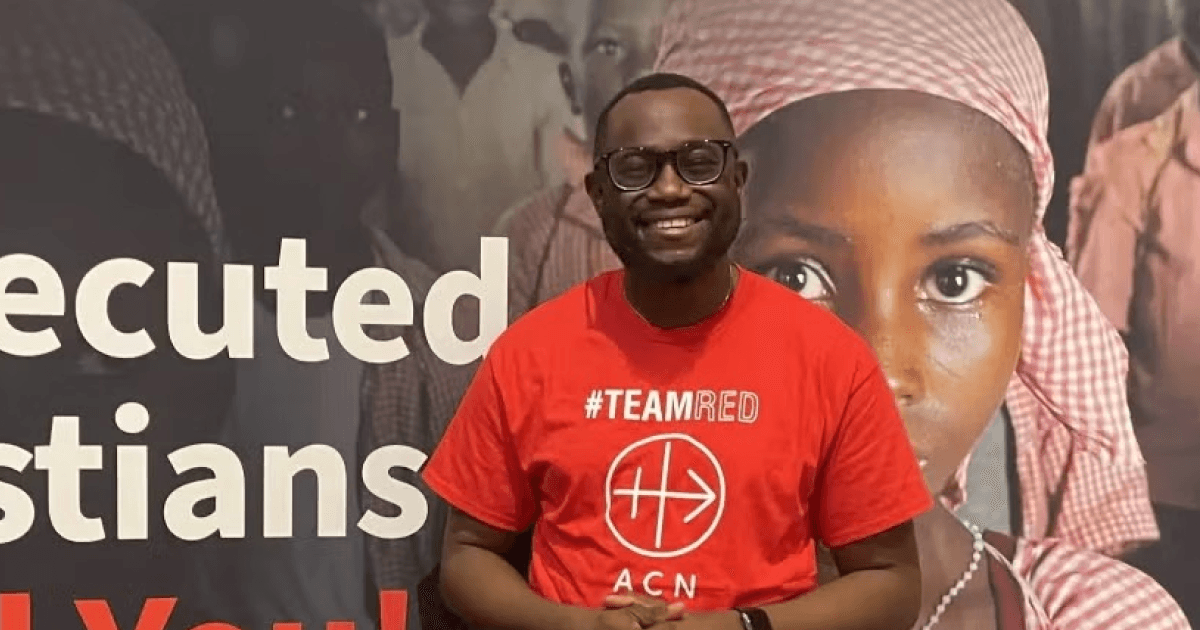 Newsroom
TikTok priest urges young people to stand with persecuted Christians
Nathalie Raffray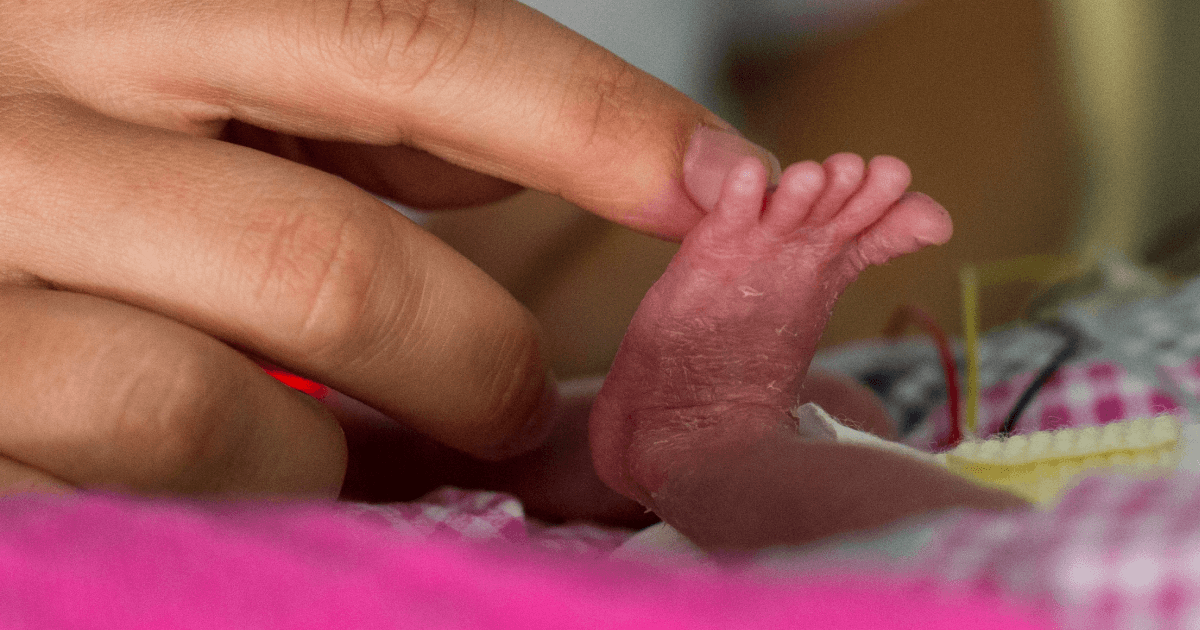 Newsroom
Baby born at 25 weeks reunites with neonatologist two years after leaving hospital
The Catholic Herald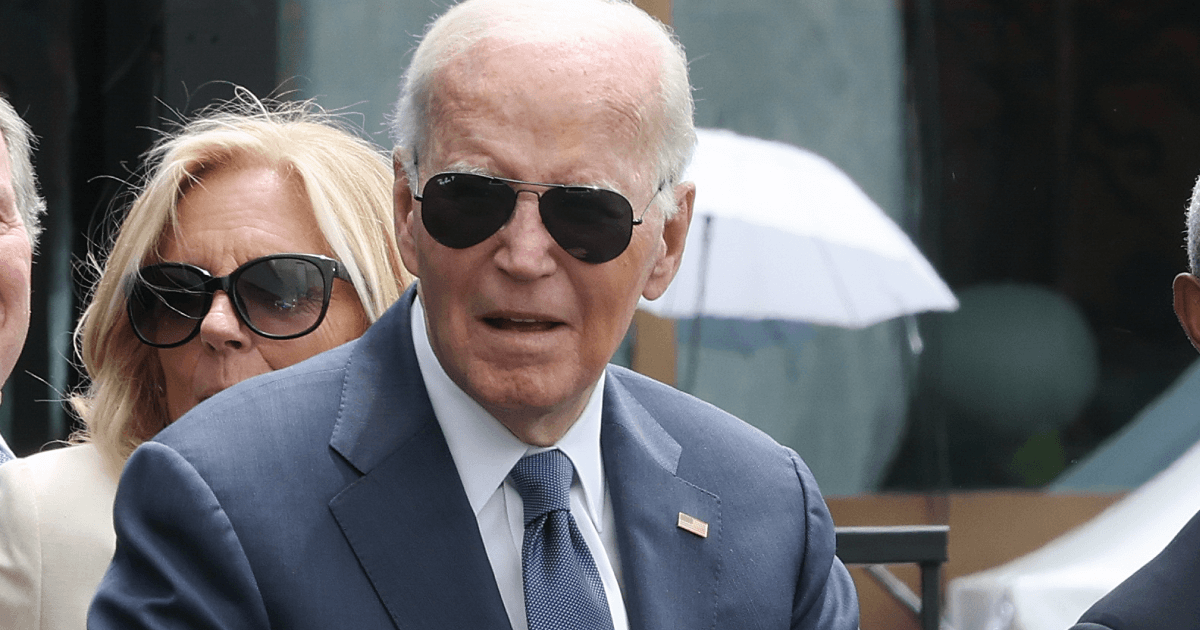 Newsroom
Joe Biden honoured by Planned Parenthood after defending abortion rights
Christine Rousselle
subscribe to the catholic herald today
Our best content is exclusively available to our subscribers. Subscribe today and gain instant access to expert analysis, in-depth articles, and thought-provoking insights—anytime, anywhere. Don’t miss out on the conversations that matter most.
Subscribe



