

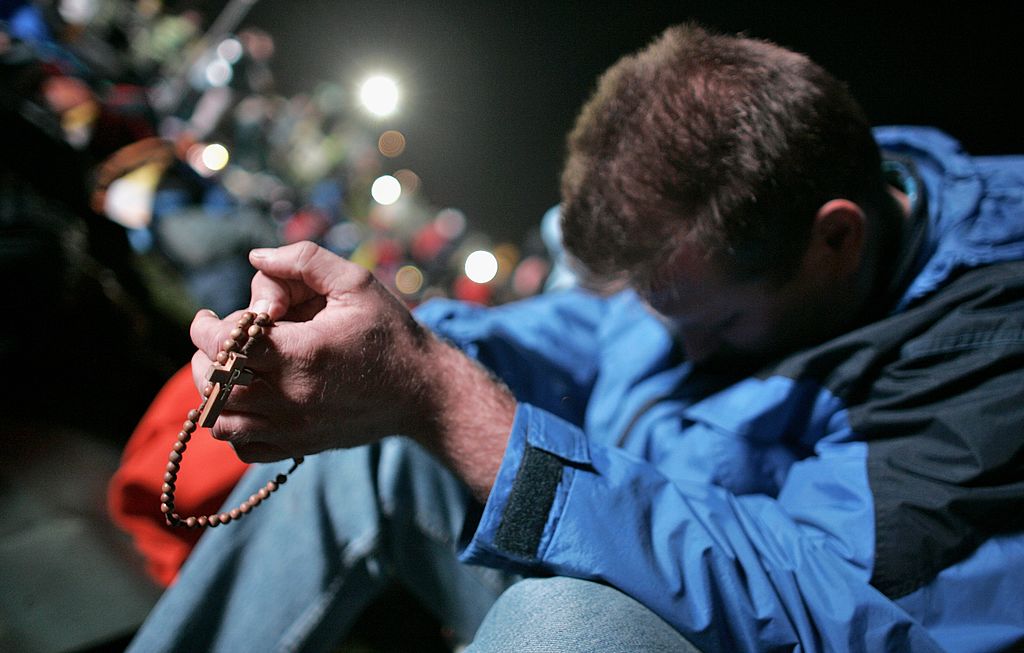
Not without a certain trepidation, I have come to speak at a clergy convention in one of the dioceses of Pennsylvania which was the subject of the Grand Jury report last summer. Hundreds of priests in the state had been abusing minors and many of the older cases were simply covered up and the perpetrators reassigned by bishops. The report coincided with the revelation that Theodore McCarrick, one of the highest ranking prelates in the US Church, was a serial abuser who was able to hide in plain sight while simultaneously presenting himself as leading the clean-up in the wake of the 2002 Boston scandals. These stories broker at the same time as a huge reorganisation in the Diocese of Pittsburgh, which has seen the number of parishes reduced by almost two thirds at a stroke and many priests now given responsibility for second and third parish communities numbering thousands of parishioners. There is, as one would expect, demoralisation among clergy and laity. Pittsburgh retains strong Catholic institutions and communities, but the contraction of this large and thriving diocese is the harbinger of wider changes.
2:00 PM
Healing ministry for abuse survivors is suddenly in demand
not without a certain trepidation, i have come to speak at a clergy convention in one of the dioceses of pennsylvania which was the subject ...
Fr Dominic Allain

3 min read



Already a subscriber? Sign in
5freearticles every month
Continue reading with a free account. No card needed.
- Five free articles every thirty days, on any device you sign in on
- The Catholic Herald newsletter, every morning
- Subscribe whenever you like for everything: every article and the magazine
Related articles
 Newsroom
Magdeburg bishop rejects “musty, Germanic environment” after AfD win
Bishop Gerhard Feige said he was ‘disillusioned, alienated and worried’ after the AfD won 43.8 per cent of the vote in Saxony-Anhalt
Corrie Douglas-Young Newsroom
US Army to execute Fort Hood shooter by firing squad
Christine Rousselle Newsroom
Canada pauses plans to allow euthanasia for people with mental illness
Christine Rousselle Newsroom
Christa Pike conscious and talking after botched execution attempt
Christine Rousselle Newsroom
Gen Z Catholics are less politically conservative than older generations, poll finds
Christine Rousselle
subscribe to the catholic herald today
Our best content is exclusively available to our subscribers. Subscribe today and gain instant access to expert analysis, in-depth articles, and thought-provoking insights—anytime, anywhere. Don’t miss out on the conversations that matter most.
Subscribe



