

May 24, 2026

How Pentecost completes the work of salvation

R. Jared Staudt
More
Related
Min read
share

“Nevertheless I tell you the truth: it is to your advantage that I go away, for if I do not go away, the Counsellor will not come to you; but if I go, I will send Him to you” (John 16:7).

Jesus’s words at the Last Supper are quite shocking, as He tells the disciples that it would actually be better for them if He leaves them. They often could not comprehend their Master’s words, and these ones, if anything, must have been downright perplexing. How could it possibly be better for the disciples to be without Jesus by their side? The answer comes with the arrival of the Counsellor, the Advocate. The Spirit will draw us into His own Body as its members, and enable us to become temples of His presence in the world.
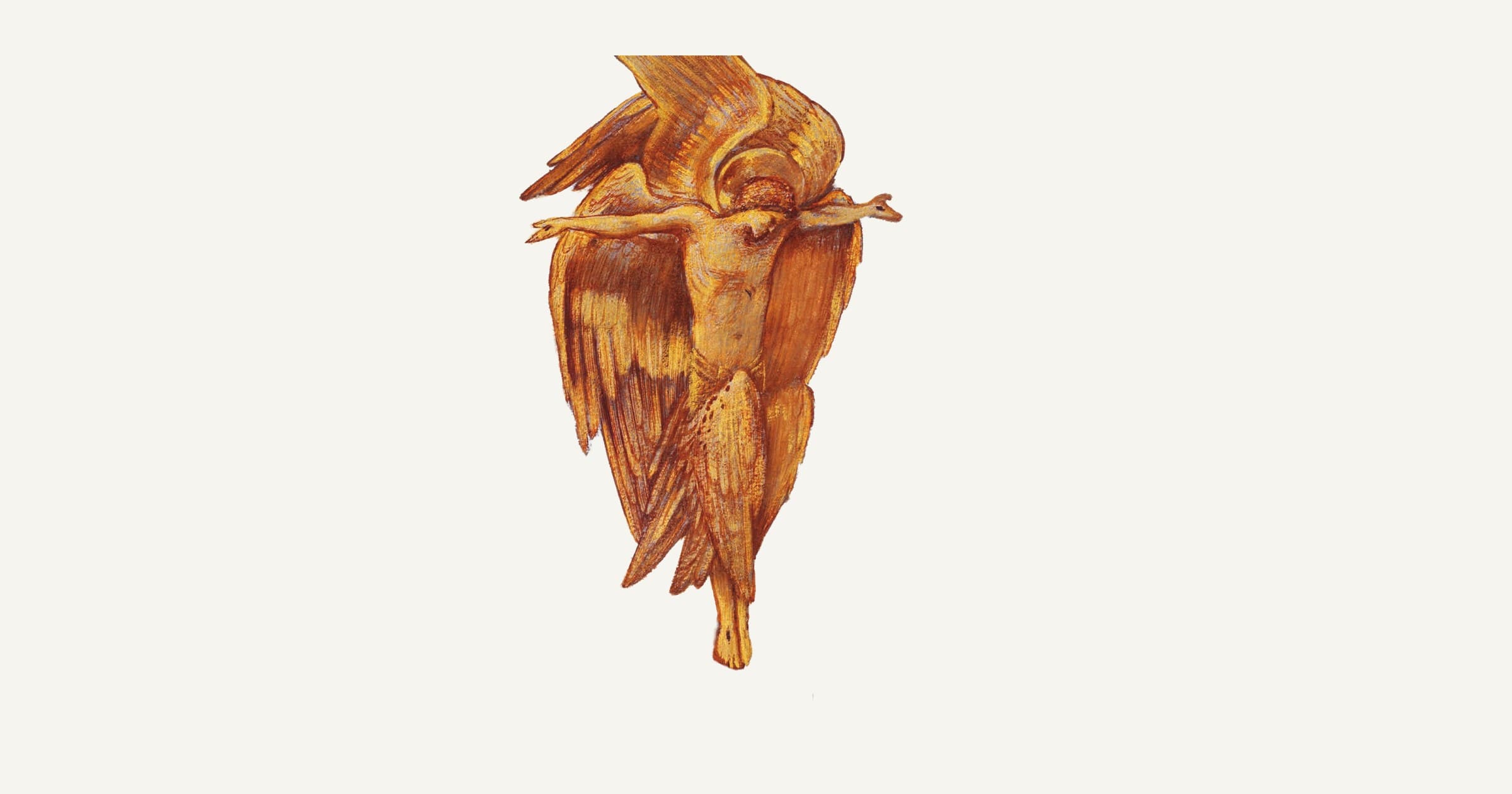
The goal of the Paschal Mystery was not simply to save us but to recreate us, enabling us to share in the new life of Jesus’s Resurrection. The whole Paschal Mystery – Jesus’s Passion, Death, Resurrection and Ascension – is meant to lead us to Pentecost. Jesus died and rose again to recreate humanity, and the way He does so is from the inside out. Too often, salvation is viewed primarily in juridical fashion as freedom from a sentence of punishment. Even more so, Jesus wants to make us holy, enabling us to share in His divine life, which is why the sending of the Holy Spirit comes as the culmination of His work of salvation.

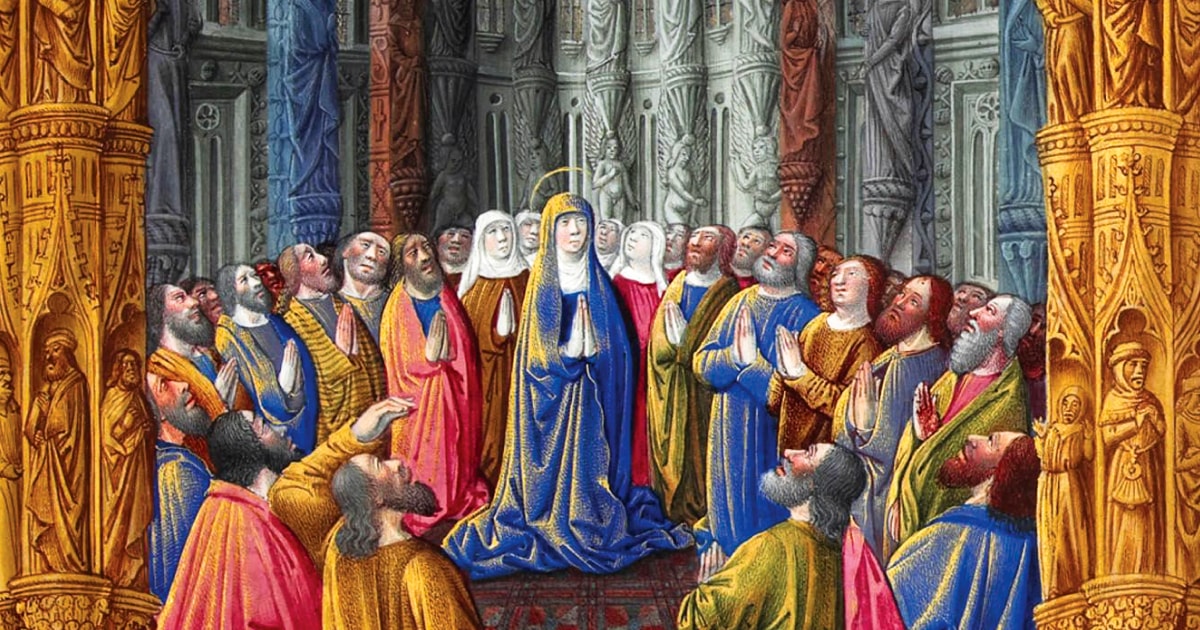
Pentecost also serves as the linchpin of the liturgical season, completing the cycle of the high seasons. If we trace the arc of the liturgical year, we see that Jesus was born to offer Himself for our salvation, a reality which comes into clearer focus during Lent. Through this gift of Himself, He is raised to new life, which He pours out upon the Church after His Ascension. The gift of the Spirit is the life of the Church that enables us to live in and through Jesus in the world, unfolding the gift of salvation through the world and history.

The feast of Corpus Christi, following shortly after Pentecost, keeps this reality in focus. There is a reason why Jesus reveals the gift of the Spirit at the Last Supper, for this divine gift is bound up closely with the Eucharist. After telling the disciples to “do this in memory of me,” He explains that the Spirit will “bring to your remembrance all that I have said to you” (John 14:26). We recognise that it is through the power of the Spirit that the bread and wine become the Body and Blood of Christ, as the Catechism explains: “In the epiclesis, the Church asks the Father to send his Holy Spirit (or the power of his blessing) on the bread and wine, so that by his power they may become the body and blood of Jesus Christ and so that those who take part in the Eucharist may be one body and one spirit” (par. 1353). This passage demonstrates the bond between the bestowal of the Spirit and the reality of the Church as the Body of Christ.

The presence of the Spirit enables us to abide in Christ as members of His Body. St Paul makes this connection clear in his First Letter to the Corinthians. The nascent Christian community is experiencing disunity as some indulge in excess while others go without. To overcome this discord, Paul first reminds them of the mystery of the Eucharist in chapter 10, which calls them to eat worthily by discerning the Body. In the following chapter, he continues to unfold this mystery by speaking of the Church as the one Body of Christ, united in one Spirit: “For just as the body is one and has many members, and all the members of the body, though many, are one body, so it is with Christ. For by one Spirit we were all baptised into one body – Jews or Greeks, slaves or free – and all were made to drink of one Spirit” (1 Corinthians 12:12-13). By receiving the Spirit at Baptism, Christians become members of the Body, which is nourished by the Eucharist.

Hopefully, we can now see why Jesus said it would be to our advantage if He departs from the world to sit at the right hand of the Father. From this heavenly throne, He is now closer than He could be if He had stayed on earth. He is not simply alongside us, because He is now in us. Through the gift of the Spirit, we have become members of His Body and incorporated into His very being: becoming one flesh and one Spirit with Him. This is the goal of our salvation and one that transpires through the grace of Pentecost: to be one with Christ both now and for all eternity.

Continue reading with a free account

Create a free account to read up to five articles each month
Create free account

You have # free articles remaining this month.

Subscribe to get unlimited access.
Sign up

subscribe to the catholic herald today

Our best content is exclusively available to our subscribers. Subscribe today and gain instant access to expert analysis, in-depth articles, and thought-provoking insights—anytime, anywhere. Don’t miss out on the conversations that matter most.
Subscribe