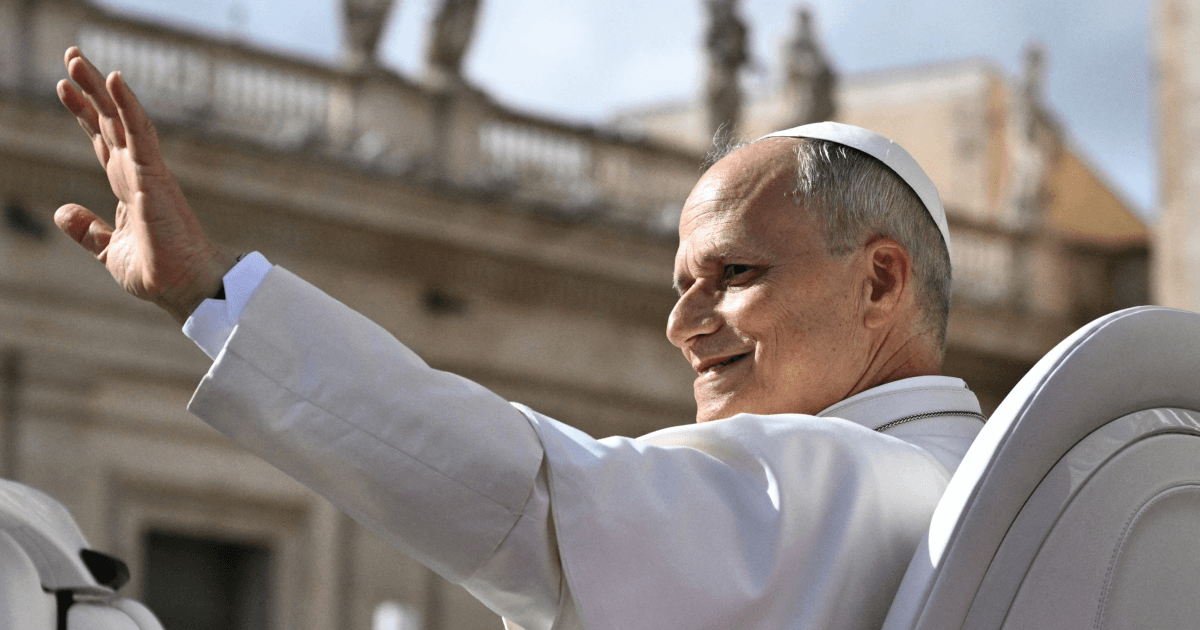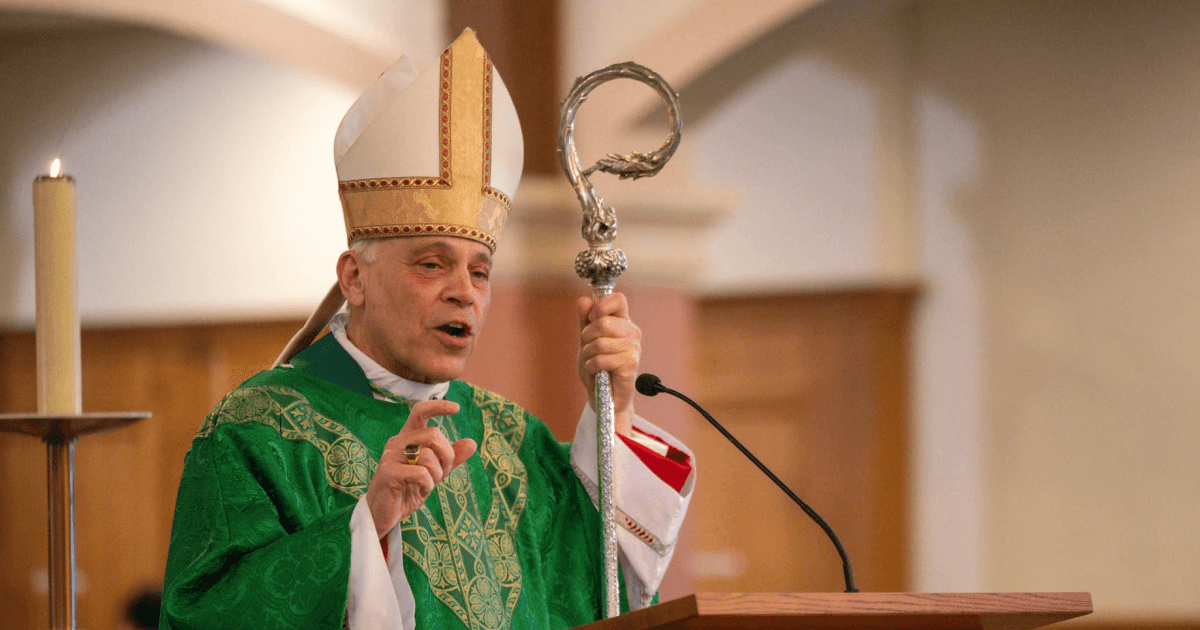
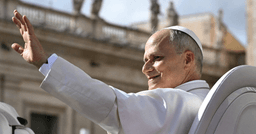
Pope Leo has appointed San Francisco’s Archbishop Salvatore Cordileone as one of a swathe of new members of the Supreme Tribunal of the Apostolic Signatura, which serves as the Vatican’s highest court.
In the Holy See bulletin on 25 July, a new face of the Supreme Tribunal of the Apostolic Signatura was unveiled as Leo XIV named seven new members. Although no new cardinal members were announced, arguably the most prominent new arrival is that of Archbishop Salvatore Cordileone, whose appointment to the Signatura has cause a spike of interest.
Thanking the Pontiff for his additional new role, Cordileone stated that he accepted the office “with a profound sense of stewardship, recognising that every office in the Church is entrusted for the service of Christ, His people, and the mission of the Gospel.”
The Signatura’s task of aiding the Pope with “the proper administration of justice within the life of the Church” is not just a legal action, but one “ordered toward the salvation of souls, the protection of the rights of the faithful, and the strengthening of ecclesial communion”, said Cordileone. “I am honoured to contribute to that important mission.”
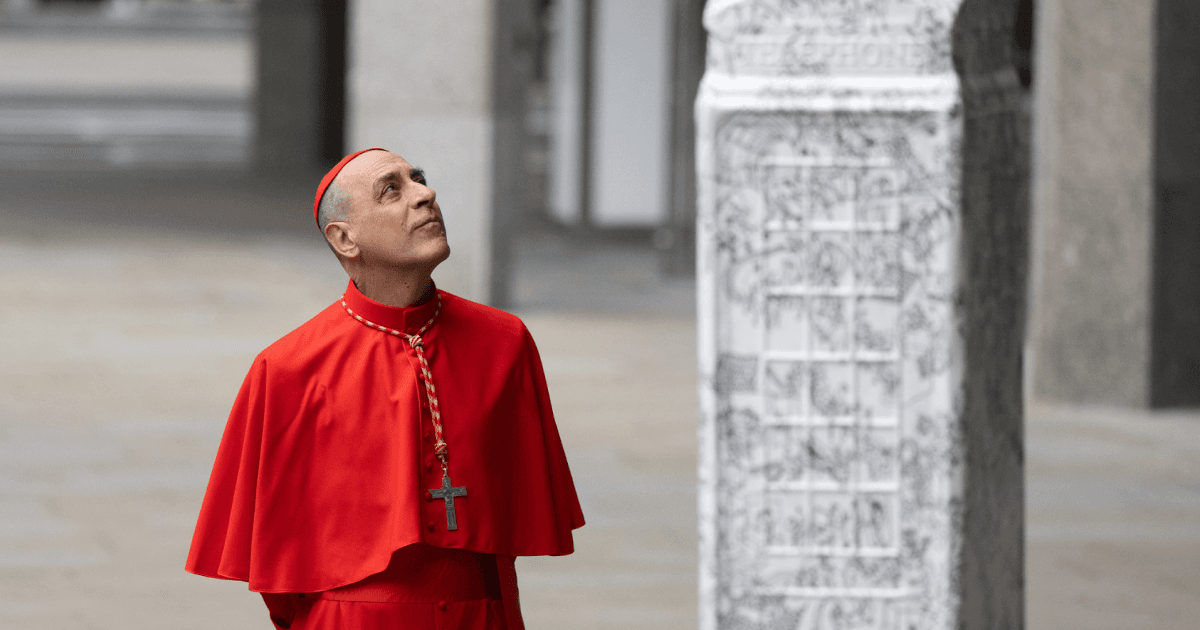
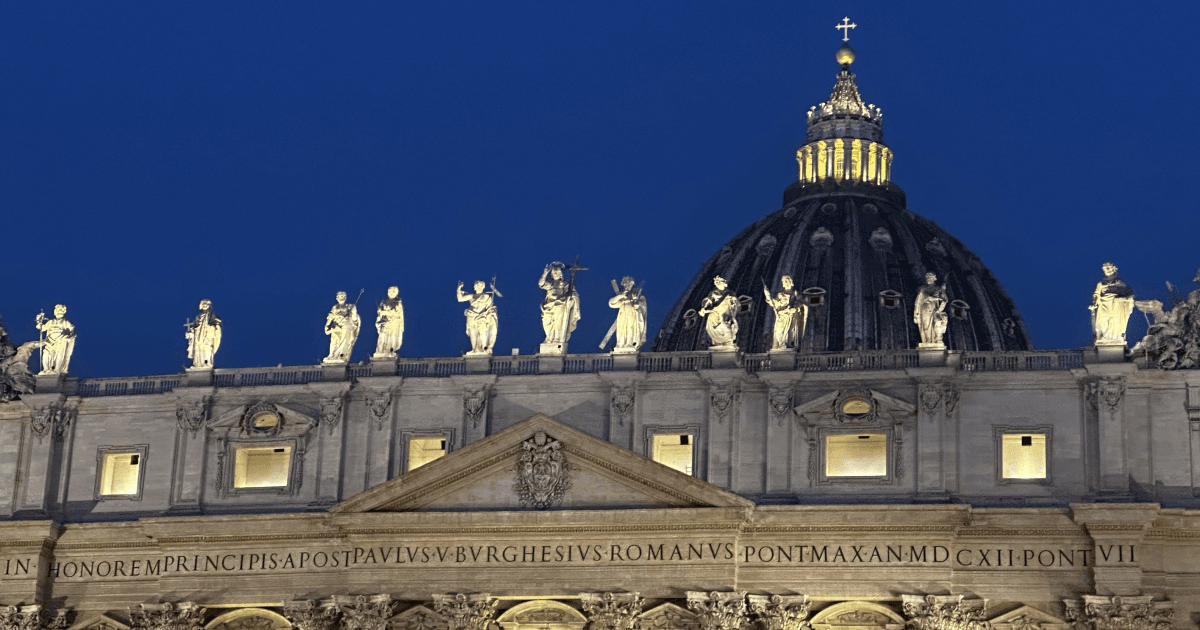
Currently led by Cardinal Dominique Mamberti as prefect, the Apostolic Signatura is the highest port of call in the legal system for the Vatican and wider Church – excepting the Pontiff himself. Not only does it handle cases stemming from the Church at large, including appeals against lower court rulings, but it is also equipped to assess disputes between offices of the Roman Curia and the Secretariat of State.
A canonist by training, Cordileone is well suited to the role given that he holds a doctorate in Canon Law from the Gregorian University in Rome. Leading the Archdiocese of San Francisco since October 2012, Cordileone has become known for his often outspoken defence of the Church’s traditional liturgy and moral teachings.
The archbishop was drawn into the centre of a media storm in 2022 when he warned and subsequently banned pro-abortion Speaker of the House Nancy Pelosi from receiving Holy Communion. “I stand ready to continue our conversation at any time, and will continue to offer up prayer and fasting for you,” Cordileone added in his letter to Pelosi.
He has also been a vocal champion of a renewal in the Church’s liturgy, regularly celebrating the traditional Mass and leading initiatives for the return of reverence in the Novus Ordo. In light of Traditionis Custodes, Cordileone has been one of few diocesan prelates who continued to champion the celebration of the traditional Mass, both in his own archdiocese and internationally, including performing ordinations for former Ecclesia Dei communities dedicated to the traditional liturgy.
Just following the episcopal consecrations performed by the Society of Saint Pius X against the pope’s orders, Cordileone renewed his appeal so that “easier access to the Traditional form of the Mass will be available to our people, so they will not feel as if they are constrained to seek spiritual nourishment outside of the family in union with Rome”. Interviewed by this correspondent last July, Cordileone added that “what truly evangelises is the beauty of the Church’s heritage. So we need to live that in a way that is communicable.”
Abp. Cordileone is not the only canonist to join the Signatura. Also appointed on Saturday was Bishop Krzysztof Nitkiewicz of the Polish Diocese of Sandomierz; Archbishop Juan Ignacio Arrieta Ochoa de Chinchetru, a storied Roman canonist and until recently Secretary of the Dicastery for Legislative Texts; Bishop Edward Lohse, of the Diocese of Kalamazoo.
To these prelates were also joined three priests all serving as professors of Canon Law in two of Rome’s pontifical universities: Fathers Eduardo Baura de la Peña, Gianpaolo Montini, and Ulrich Rhode, S.I who has already served a five year term.
Collectively the new members of the Signatura represent a body of men who value adherence to canon law rather than the permissive approach seen in certain matters during the previous pontificate.
Leo himself is a canonist and this aspect has been a visible undercurrent in his pontificate so far, particularly when it comes to the relatively few changes he has made to prominent positions of the Roman Curia. Examples include that of theological orthodox canonist Archbishop Anthony Randazzo named to lead the Dicastery for Legislative Texts, who replaced fellow canonist Archbishop Filippo Iannone who had been moved by Leo to take over the position left vacant by his papal election as prefect of the Dicastery for Bishops.
Gradually, Canon Law is becoming the predominant theme amongst the prefects of the Roman Curial offices.
Michael Haynes is an English journalist in the Holy See Press Corps. He serves as Vatican Correspondent for the Catholic Herald, while readers can follow him at Per Mariam and on X @MLJHaynes.