


Less than seven per cent of Catholics in Germany attend weekly Mass, according to the latest figures released by the nation’s bishops.
A comprehensive study detailing the life of the Catholic Church in Germany has shed new light on the actual health of the faith in the country. In recent years, news reports regarding the Church in Germany have become almost synonymous with the Synodal Way and the accompanying decline of Catholic vitality. The latest figures continue that tread.
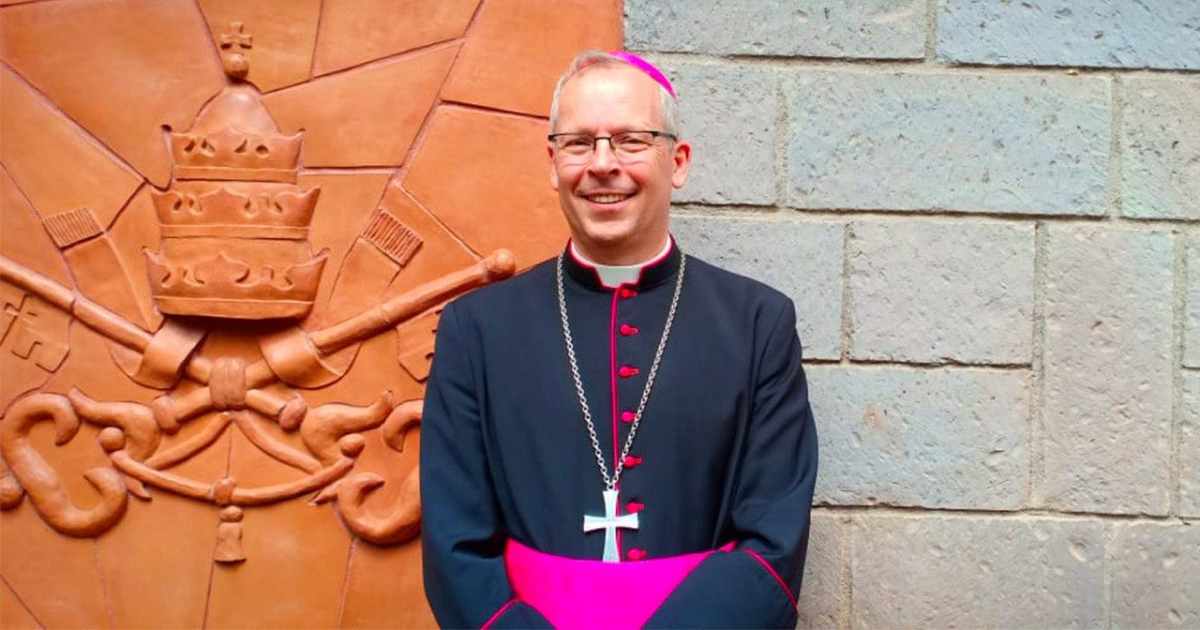
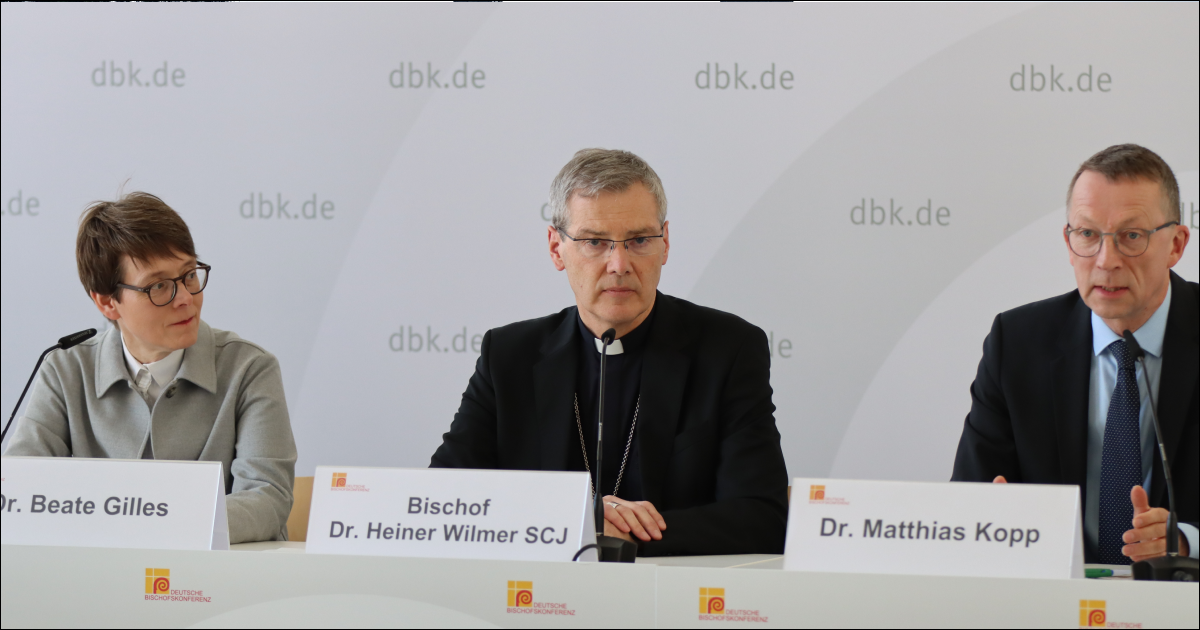
In nearly every area, the Church in Germany has suffered. “We have fewer members, fewer worship service attendees, fewer pastoral staff, and changing financial circumstances,” wrote Bishop Heiner Wilmer, the chairman of the German Bishops’ Conference (DBK).
But he also defended the Church in Germany against the suggestion that it was “a story of decline alone”, since the figures “speak of dedication, reliability, and great responsibility” he said.
The harsh reality lies in the statistics outlined in the latest iteration of the annual report, detailing the health of the Church as of 2025.
Catholics outnumber Protestants by a margin of just under two million, with the Catholic population being most heavily concentrated in Bavaria and Saarland. There are some 19.2 million Catholics and just under 17.4 million Protestants, but that is where the positive news begins to tail off.
Of those more than 19 million Catholics, only a tiny proportion actually attend Sunday Mass. Just 1.3 million – or around 6.8 per cent – were polled as attending a weekly Sunday Mass in 2025.
Active Catholicism in Germany is continuing the stagnation trend which has been underway for many years: just over a decade ago in 2014, some 10.9 per cent of Catholics attended weekly Mass.
Figures are not positive for the growth of the Church via converts or Baptisms either. In 2025 there were just over 109,000 people received into the Church through baptism, with nearly 2,300 of that number being aged 14 or older.
However, in start contrast to the 109,000 Baptisms is the number of people leaving the Church: either formally rejecting the Church or simply by dying.
Funerals are in fact almost twice as numerous as Baptisms. In 2025 there were over 203,000 funerals contrasted with the 109,000 Baptisms. This disparity is no sudden development either, as recent years demonstrate:
2023: 131,245 Baptisms versus 226,179 funerals.
2024: 116,274 Baptisms versus 213,046 funerals.
To this figure must also be added the large numbers of people leaving the Church. Some 307,000 people left the Church in Germany last year.
Serving only to highlight the internal chaos now inherent amongst the Church in Germany, this figure of 307,000 is actually lower than in previous years. Over 320,00 people left the Church in 2024, just over 400,000 left in 2023 and around half a million left in 2022.
Naturally this decline is not limited to the Catholic laity, but is replicated amongst the clergy also. Germany now has around 9,000 active parishes, but there is a rapidly diminishing number of priests to serve these churches.
As of the latest figures there are just 11,083 priests serving in the country. Of the current figure, nearly 2,300 come from abroad, meaning that Germany’s vocation crisis is even worse that it initially seems.
But the decline here has been underway for a while. In 2020 there were 12,565 priests present, in 2014 there were around 14,400 priests, and going back another decade to 1995 there were around 18,600.
To date the German hierarchy has not resolved on a solution to reverse decline. However, the DBK appears committed to continuing its current focus on synodality and the themes proposed during the national Synodal Way.
“The Church is not only present where Mass is celebrated,” stated Bishop Wilmer. “It is also present where people are accompanied, strengthened, and comforted — where social responsibility is assumed, where culture is promoted, dialogue is facilitated, and hope is shared.”
“Synodality”, he added, “is not primarily a procedure, but a spiritual way of life. It is about listening to one another, sharing responsibility, and shaping the Church in such a way that it serves the Gospel and the people. Hope becomes a reality where the Church does not close itself off, but sets out together.”
The Synodal Way in Germany has been widely criticized by a number of prelates, and a number of warnings from the Vatican to the Synodal Way have been ignored.
Most recently, the Holy See firmly rejected the DBK’s proposal for lay preaching – something proposed during the Synodal Way – but as the Catholic Herald reported, such a prohibition has been publicly disregarded already.
German Catholics will increasingly have to face a Church with an aging population and decreasing resources unless the current trend is reversed.
Michael Haynes is an English journalist in the Holy See Press Corps. He serves as Vatican Correspondent for the Catholic Herald, while readers can follow him at Per Mariam and on X @MLJHaynes.