



The appearance of the young, black British cellist Sheku Kanneh-Mason at the Royal Wedding was a joy – not just for his engaging musicality but also for the broader social statement his appearance made. Black faces on the concert platform are still rare, and Kanneh-Mason is a timely role model. But not the first: there have been others. And one is the Belize-born but otherwise endearingly British composer, Errollyn Wallen (she lives in a lighthouse on the north Scottish coast). Wallen’s music is itself a model of diversity, robustly crossing between genres in a catalogue of cabaret songs, operas and orchestral works. And on the very day that Kanneh-Mason triumphed at the wedding she did something not dissimilar at the Jersey Liberation Music Festival. “Liberation” here refers to being freed from Nazi rule in 1945; but it’s a festival that liberates in other ways, with concerts in unlikely places (wartime gun emplacements, harbours, boats) and off-the-wall commissions such as Wallen’s new Triple Concerto – premiered by the Jersey Chamber Orchestra under conductor Eamonn Dougan. Triple concertos usually feature a couple of string instruments and piano. But this one was for Kosmos, an established trio whose combination of violin, viola and accordion allows it to play everything from arrangements of Vaughan Williams to Balkan gypsy dances. So Wallen took that as her cue to throw assorted “found materials” into the mix for her concerto: Venezuelan folk tunes, klezmer, jazz and Greek Orthodox chant all rubbing shoulders. It was vibrant, bold and brilliantly delivered by the soloists, my sole complaint being that it should have lasted longer. The ideas deserve more space and more development: when you’ve composed a winner, make the most of it. The combination of the celebrated Academy of Ancient Music (AAM) and the elite choir Tenebrae has a appealing sound to it, and the two have been touring together with a Bach B minor Mass that played last week in the Bury St Edmunds Festival under Nigel Short. But the lesson of the evening was how much easier it is for a band like the AAM to produce viable soloists from its own ranks than for a choir, however good. The spotlit moments for the oboe and high trumpets were superbly done; the spotlit vocal moments, sung by chorus members, not so wonderful. And for a “period” reading it was slow, though not without a certain majesty that compensated for the lack of motivation. It’s a pleasure to hear Bach performed at something other than the speed of light, as tends to be the fashion now. But when you’re far from home and with a train to catch (I nearly missed mine) too relaxed a pace can spell disaster.
1:00 PM
Music: An off-the-wall work out of a lighthouse
Michael White

3 min read



Already a subscriber? Sign in
5freearticles every month
Continue reading with a free account. No card needed.
- Five free articles every thirty days, on any device you sign in on
- The Catholic Herald newsletter, every morning
- Subscribe whenever you like for everything: every article and the magazine
Related articles
 Newsroom
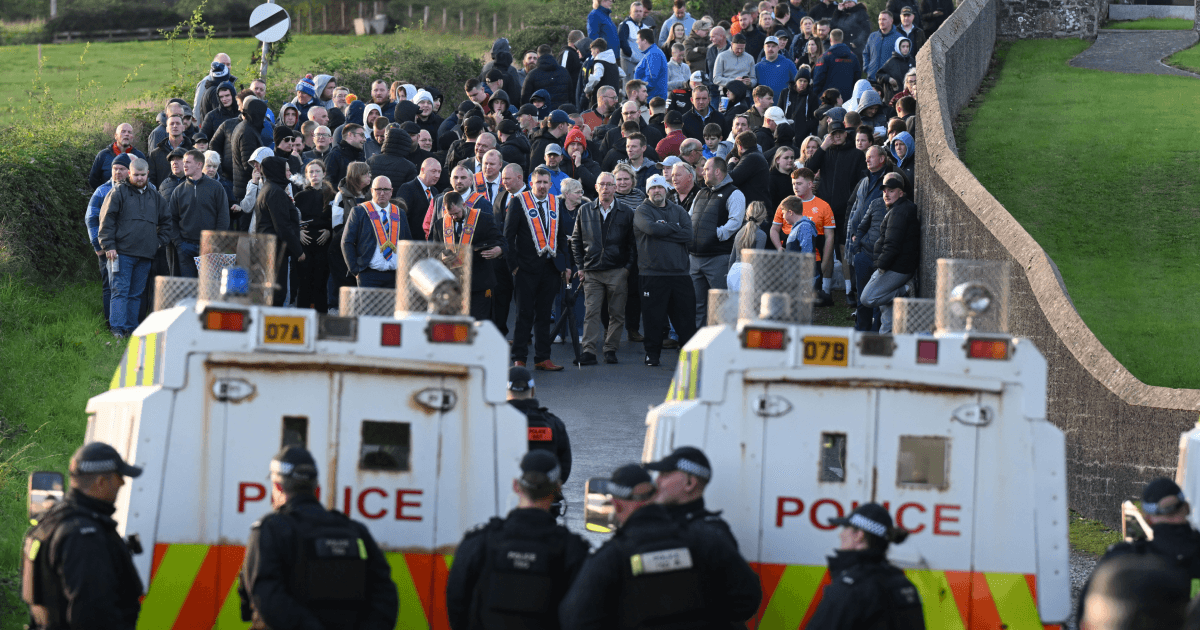
Church leaders urge Drumcree dialogue: ‘Too much is at stake’
The Catholic and Church of Ireland Archbishops of Armagh have urged a renewed commitment to peace and reconciliation amid the Drumcree stand-off
Corrie Douglas-Young Newsroom
Thousands of Irish children to join global Rosary campaign
Corrie Douglas-Young Newsroom
TikTok priest urges young people to stand with persecuted Christians
Nathalie Raffray Newsroom
Baby born at 25 weeks reunites with neonatologist two years after leaving hospital
The Catholic Herald Newsroom
Joe Biden honoured by Planned Parenthood after defending abortion rights
Christine Rousselle
subscribe to the catholic herald today
Our best content is exclusively available to our subscribers. Subscribe today and gain instant access to expert analysis, in-depth articles, and thought-provoking insights—anytime, anywhere. Don’t miss out on the conversations that matter most.
Subscribe



