

February 12, 2026

Omnium Gatherum

Fr John Zuhlsdorf
More
Related
Min read
share

On June 29 we venerate the memory of St Peter, Prince of the Apostles, and St Paul, Apostle to the Gentiles, both martyrs whose blood nourished the roots of the Church of Rome. The spilled blood of martyrs witnesses ultimately to the Lord’s triumph, wherein the horror of suffering and persecution can be viewed anew joyfully through the lenses of faith, hope and charity.

Speaking of persecution, today we see in some places the great suffering of Christians, hounded and tormented in inhuman ways. But there are other kinds of persecution.
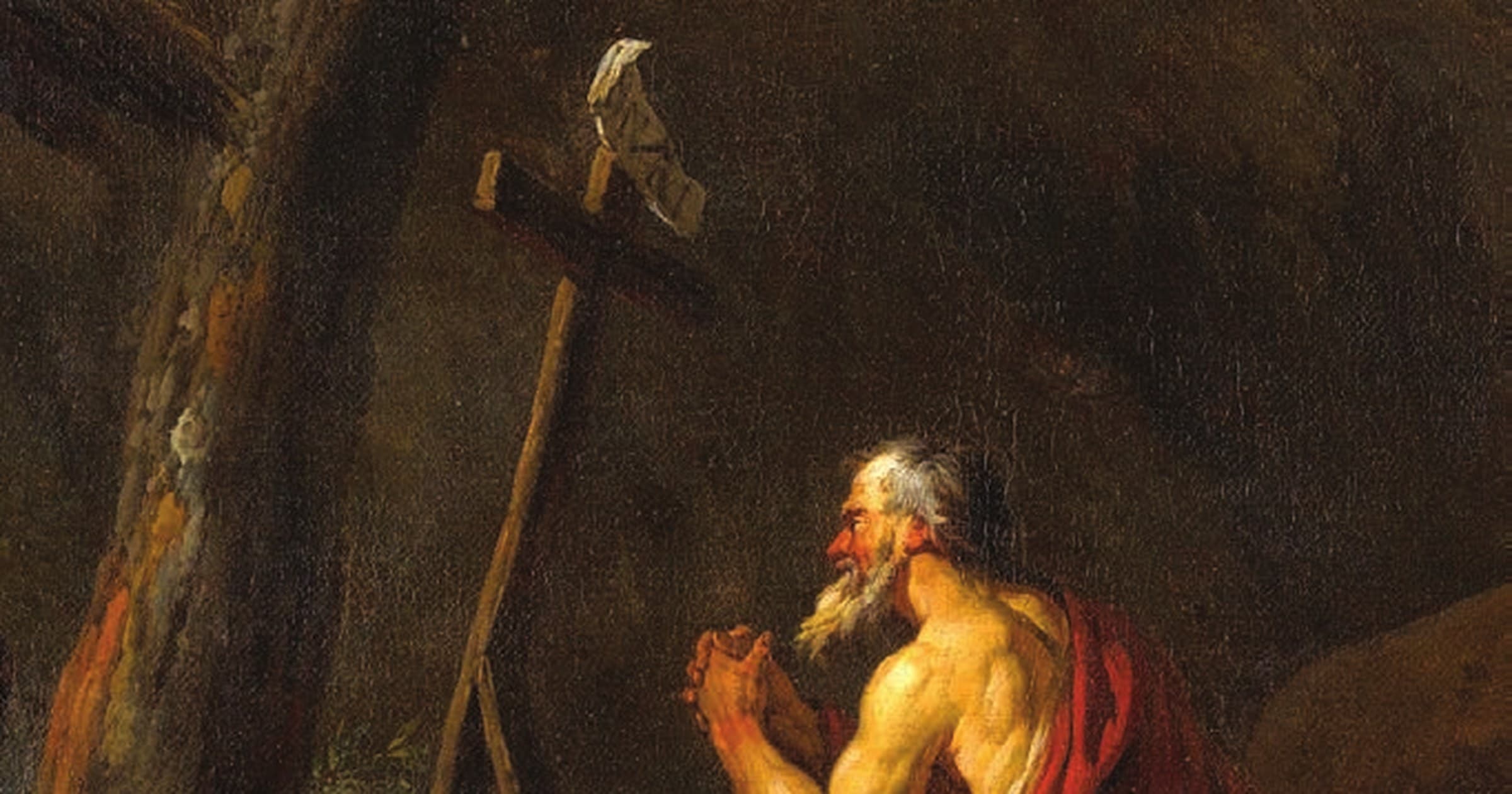
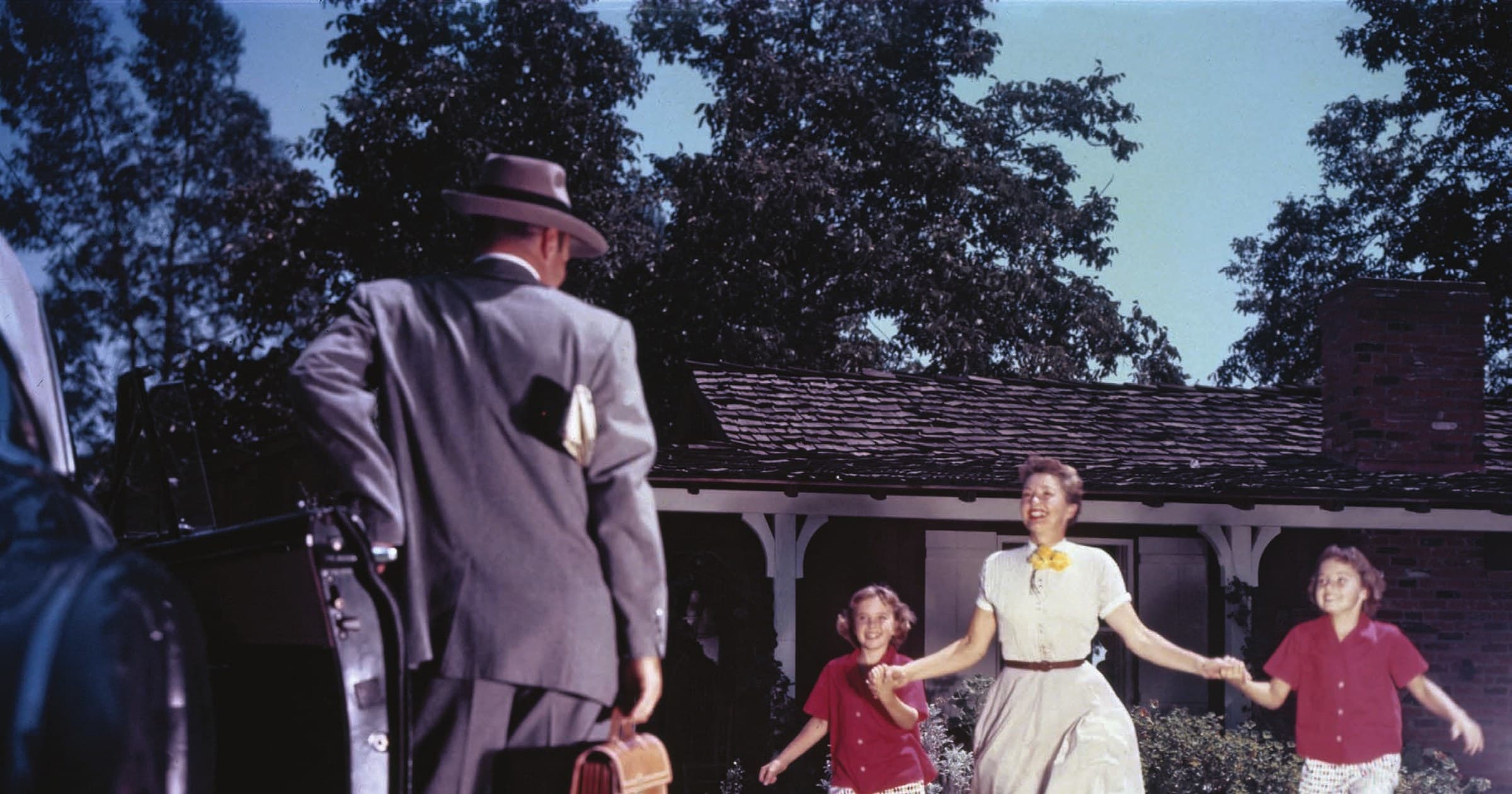
We must always be on guard against the dictatorship of relativism and the three perennial foes: the world, the flesh and the Devil.

In 2010, Benedict XVI touched this theme in his sermon for the feast of Peter and Paul:

If we think of the two millennia of Church history, we can see that – as the Lord Jesus had announced (cf Mt 10:16-33) – Christians have never been lacking in trials, which in some periods and places have assumed the character of real persecution. These, however, despite the suffering they cause, are not the greatest danger for the Church.

In fact it suffers greatest damage from what pollutes the Christian faith and life of its members and its communities, eroding the integrity of the Mystical Body, weakening its ability to prophesy and witness, tarnishing the beauty of its face. This reality is already attested in the Pauline Epistle …

he Second Letter to Timothy – of which we heard an excerpt – speaks about the dangers of the “last days”, identifying them with negative attitudes that belong to the world and can infect the Christian community: selfishness, vanity, pride, love of money, etc. The Apostle’s conclusion is reassuring: men who do wrong – he writes – “will not make further progress, for their foolishness will be plain to all”.

There is therefore a guarantee of freedom promised by God to the Church: it is freedom from the material bonds that seek to prevent or coerce mission, both through spiritual and moral evils, which may affect its authenticity and credibility.

Perhaps here Benedict XVI was a bit more optimistic than, say, an Augustinian perspective easily admits. It may be that the foolishness of the wicked is not “plain to all” today, because we live in a time when many have a very weak sense of objective truth.

Ss Peter and Paul, pray for us.

Visit fatherzonline.com

On June 29 we venerate the memory of St Peter, Prince of the Apostles, and St Paul, Apostle to the Gentiles, both martyrs whose blood nourished the roots of the Church of Rome. The spilled blood of martyrs witnesses ultimately to the Lord’s triumph, wherein the horror of suffering and persecution can be viewed anew joyfully through the lenses of faith, hope and charity.

Speaking of persecution, today we see in some places the great suffering of Christians, hounded and tormented in inhuman ways. But there are other kinds of persecution.

We must always be on guard against the dictatorship of relativism and the three perennial foes: the world, the flesh and the Devil.

In 2010, Benedict XVI touched this theme in his sermon for the feast of Peter and Paul:

If we think of the two millennia of Church history, we can see that – as the Lord Jesus had announced (cf Mt 10:16-33) – Christians have never been lacking in trials, which in some periods and places have assumed the character of real persecution. These, however, despite the suffering they cause, are not the greatest danger for the Church.

In fact it suffers greatest damage from what pollutes the Christian faith and life of its members and its communities, eroding the integrity of the Mystical Body, weakening its ability to prophesy and witness, tarnishing the beauty of its face. This reality is already attested in the Pauline Epistle …

he Second Letter to Timothy – of which we heard an excerpt – speaks about the dangers of the “last days”, identifying them with negative attitudes that belong to the world and can infect the Christian community: selfishness, vanity, pride, love of money, etc. The Apostle’s conclusion is reassuring: men who do wrong – he writes – “will not make further progress, for their foolishness will be plain to all”.

There is therefore a guarantee of freedom promised by God to the Church: it is freedom from the material bonds that seek to prevent or coerce mission, both through spiritual and moral evils, which may affect its authenticity and credibility.

Perhaps here Benedict XVI was a bit more optimistic than, say, an Augustinian perspective easily admits. It may be that the foolishness of the wicked is not “plain to all” today, because we live in a time when many have a very weak sense of objective truth.

Ss Peter and Paul, pray for us.

Visit fatherzonline.com

subscribe to
the catholic herald

Continue reading your article with a subscription.
Read 5 articles with our free plan.
Subscribe

subscribe to the catholic herald today

Our best content is exclusively available to our subscribers. Subscribe today and gain instant access to expert analysis, in-depth articles, and thought-provoking insights—anytime, anywhere. Don’t miss out on the conversations that matter most.
Subscribe