April 16, 2026

Pope Leo brings ceasefire to Cameroon

Niwa Limbu
More
Related
Min read
share

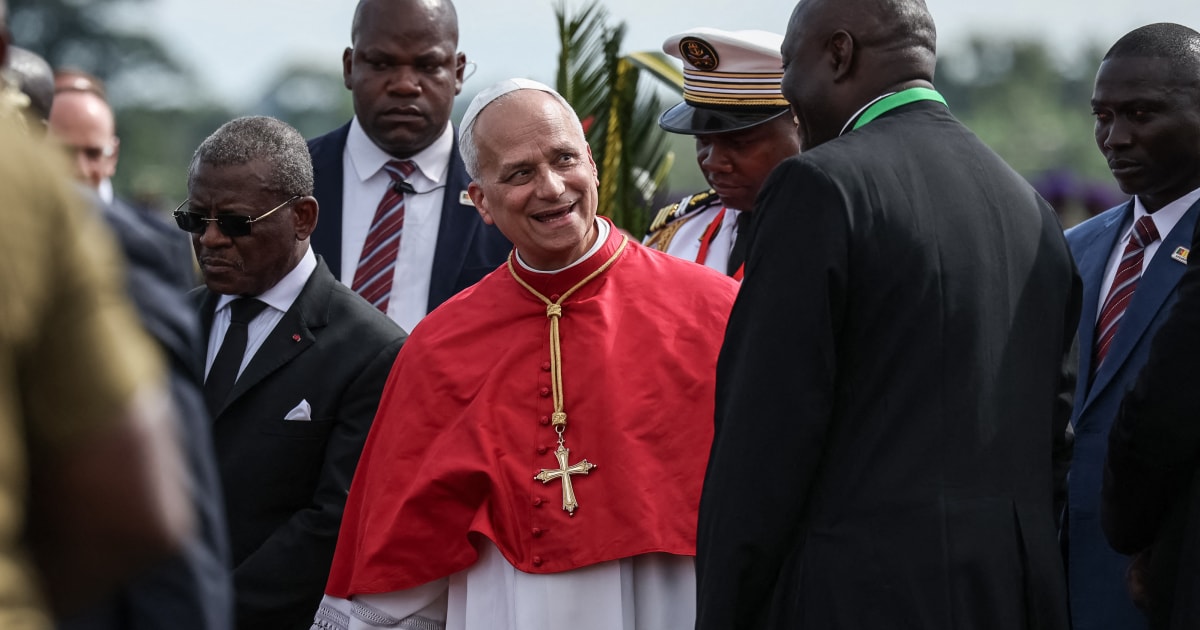
Pope Leo XIV arrived in Cameroon on Wednesday afternoon at the start of the second stage of his Apostolic Journey to Africa, as a temporary cessation of hostilities in the country’s Anglophone regions coincided with his visit.

The papal aircraft landed at Yaoundé-Nsimalen International Airport at 2:57pm local time, following his departure earlier in the day from Algeria, where he had begun his itinerary on April 13.

He was received on arrival by Prime Minister Joseph Dion Ngute in a formal ceremony that included the playing of the national anthems and the presentation of delegations from both states. Two children also greeted the Pope on the tarmac.
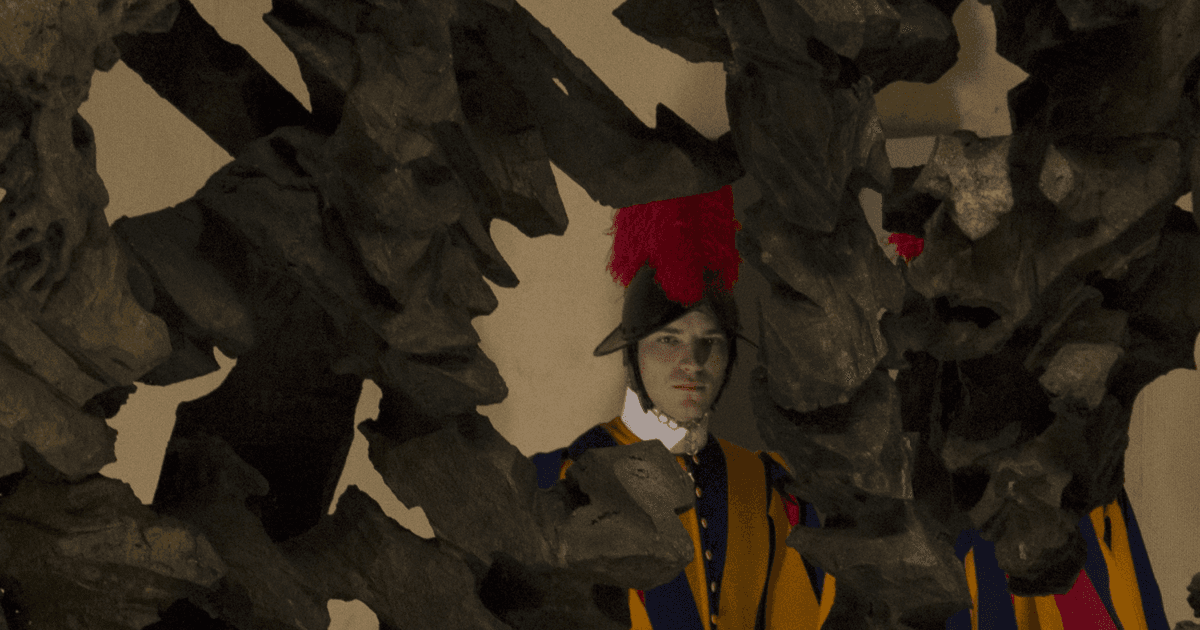
After the official welcome, he held a brief private meeting with the prime minister before proceeding to the first engagements of his visit, which will continue in Cameroon until April 18, before further travel to Angola and Equatorial Guinea. The journey is due to conclude in Rome on April 23.

The Pope’s first official appointment in the country took place at the Presidential Palace in Yaoundé, where he met privately with President Paul Biya. He then addressed representatives of the authorities, civil society and the diplomatic corps. In his speech, he described Cameroon as “Africa in miniature” and said: “This variety is not weakness but a treasure … a promise of fraternity and a solid foundation for building lasting peace.”

He presented his visit as a sign of pastoral closeness, stating: “I come among you as a shepherd and a servant of dialogue, fraternity and peace.” Referring to wider global conditions, he said: “Hopelessness is rampant,” but added that there remains “a hunger and thirst for justice … for courageous choices and for peace”, particularly among young people.

Turning to the situation within Cameroon, the Pope spoke directly about the violence affecting the Northwest, Southwest and Far North regions. He said there was “profound suffering” caused by the conflict, adding: “Behind the numbers are the faces, stories and shattered hopes of real people.” He renewed his appeal for peace, urging the rejection of “the logic of violence and war” and calling instead for a peace “founded on love and justice”. He insisted: “The world is thirsting for peace … Enough of war,” and said that peace “must not be reduced to a slogan” but “embraced and lived”.

His remarks came shortly after separatist factions in the Anglophone regions announced a temporary halt in fighting ahead of the papal visit. Late on April 13, armed groups declared a period of “safe travel passage” in recognition of what they described as the “profound spiritual importance” of the visit and the need to safeguard civilian life.

Leaders of several secessionist movements confirmed that they would allow the movement of people attending papal events, committing themselves to act with “responsibility, restraint and respect for human dignity”.

The pause in hostilities has been noted by Church leaders in the country. Archbishop Andrew Nkea of Bamenda told OSV News: “The Bamenda ecclesiastical province has gone through a lot of suffering for the past nine years.” The Anglophone crisis, which began in 2017, has led to significant displacement and ongoing insecurity in affected regions.

In his address in Yaoundé, the Pope also spoke about political responsibility and governance. Quoting the tradition of the Church, he said that those who govern must act “not from a love of power, but from a sense of the duty they owe to others”.

He called on public authorities to listen to citizens and to promote the common good, adding that they must act as “bridges, never as sources of division”. He emphasised the importance of the rule of law and respect for human rights, and warned against corruption, describing it as something that “disfigures authority and strips it of its credibility”.

Earlier in the day, the Pope visited the Ngul Zamba Orphanage on the outskirts of Yaoundé, where he met children, staff and volunteers. Addressing the children, he said: “You form a true family here,” and spoke of the orphanage as “a place that has become a true home.” Acknowledging the hardships many had experienced, he told them: “You are called to a future that is greater than your wounds.”

He continued: “In God’s great family, no one is ever a stranger or forgotten,” and reminded them that Christ shows particular care for children. He also thanked those who care for them, saying their work is “a concrete expression of love” and “God’s mercy”. Referring to the Gospel, he said that caring for the most vulnerable is a way of serving Christ himself.

The Cameroonian stage of the journey follows the Pope’s visit to Algeria from April 13 to 15, which marked the first time he had travelled to the North African country. The broader itinerary also includes Angola and Equatorial Guinea.

Continue reading with a free account

Create a free account to read up to five articles each month
Create free account

You have # free articles remaining this month.

Subscribe to get unlimited access.
Sign up

subscribe to the catholic herald today

Our best content is exclusively available to our subscribers. Subscribe today and gain instant access to expert analysis, in-depth articles, and thought-provoking insights—anytime, anywhere. Don’t miss out on the conversations that matter most.
Subscribe