August 26, 2026

Pope Leo: Vatican II’s liturgical reform ‘necessary’ for greater participation

Michael Haynes
More
Related
Min read
share

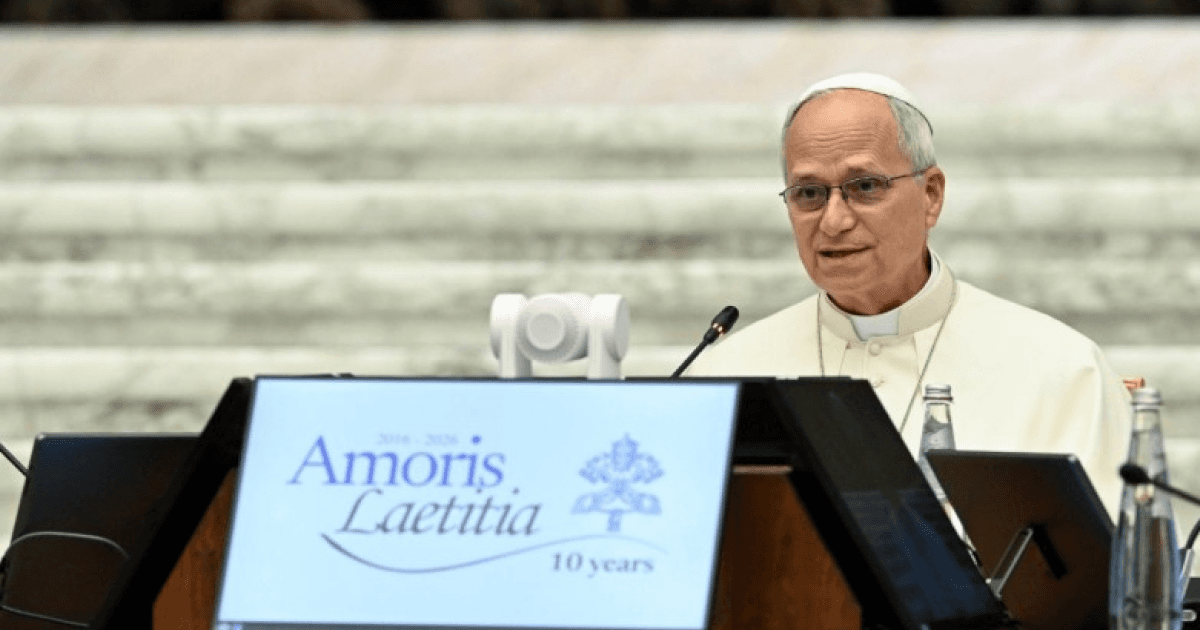
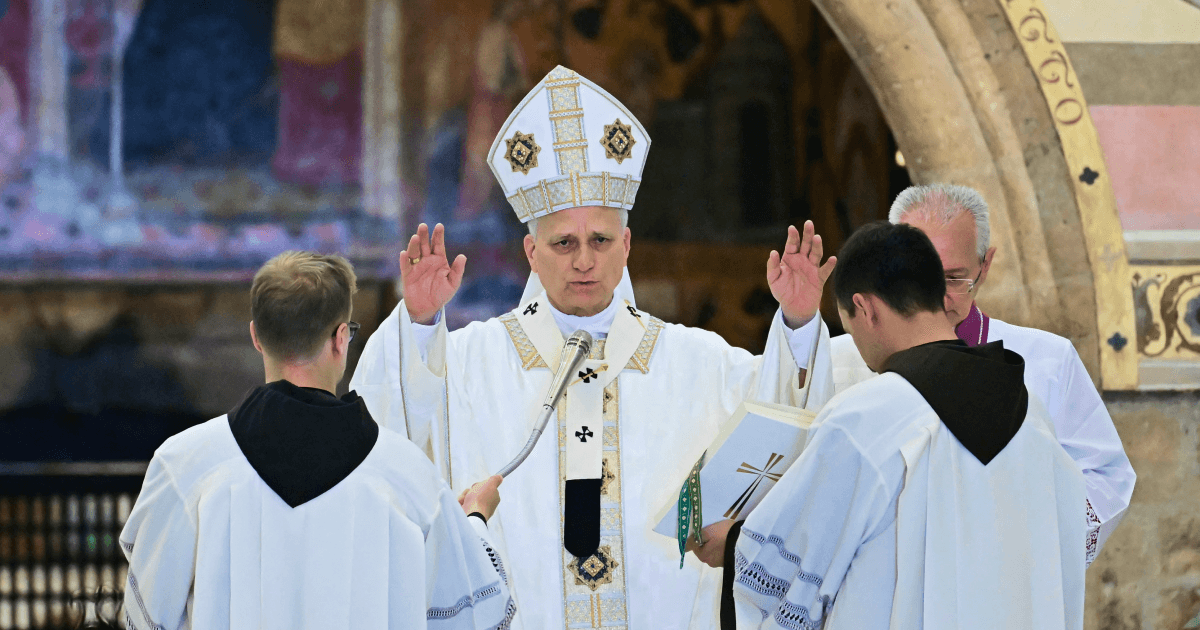
Pope Leo has firmly defended the liturgical reform of the Second Vatican Council, stating that it was deemed “necessary” in order to make the liturgy “more accessible”.

Closing his series of catechetical talks on Vatican II’s Sacrosanctum Concilium, Pope Leo tackled a chief underlying element behind the previous number of speeches – namely examining the rationale behind Vatican II’s promotion of a liturgical reform. In doing so, he drew from the Council text itself, but also from Pope Paul VI’s writings while still Cardinal Montini, along with Pope Pius XII’s reforms to the Holy Week liturgies.  
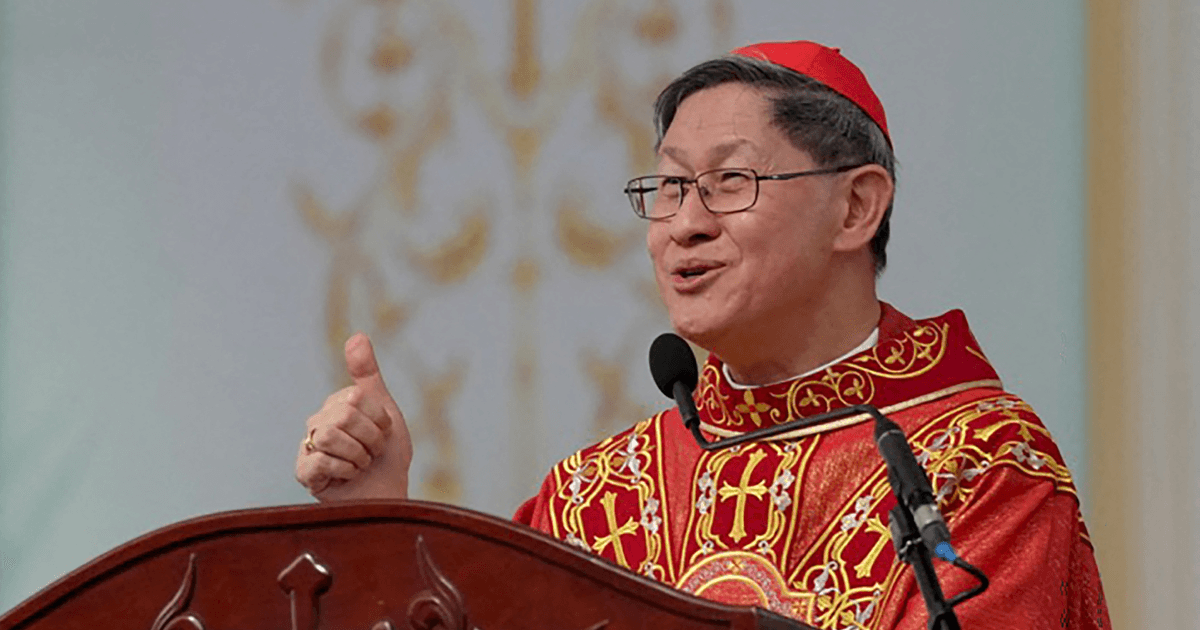
In Leo’s assessment, the liturgical reform is built around Montini’s argument that the liturgy must demand more specific participation from the congregation. Quoting directly from the future Paul VI’s 1962 letter, Leo stated that Catholics “cannot and must no longer remain silent and passive. Their physical presence cannot be reconciled with their spiritual absence.”

The “participation of the faithful cannot be passive,” added Leo during his August 26 audience. In order to achieve this, the Council decided upon the “need to make the richness of the biblical texts and prayers more accessible to all the faithful,” he stated, and to “streamline the order of the celebration compared with that set out in the liturgical books then in use.”

Desire for a liturgical reform was not a sudden thought stemming from the Council itself, he said, but one born out of the “actions of successive Popes since the beginning of the twentieth century, in keeping with the demands of the Liturgical Movement.”  

The liturgical changes which spread after the Second Vatican Council remain very much the centre of some debate to this day. Proponents of the new order of Mass hold the position highlighted by Leo, namely that the new Mass in the vernacular leads to greater participation of the faithful. Meanwhile those who favour the traditional rite argue that it fulfils the Council’s call for “active participation” with “a richness of participation more comprehensive than the reformed liturgy allows.”

For the Pontiff, the liturgical changes of recent decades are very much in line with the Church’s history. “Since the liturgy is a living entity, throughout the centuries it has always been subject to developments and changes,” he said. “The Magisterium adapted its forms to the needs of different eras.”  

“It is therefore not surprising that the Second Vatican Council too, with the utmost respect for the heritage of tradition, and precisely in order to make it more accessible, considered it necessary to revise the liturgical books.”

Leo quoted from section 21 of Sacrosanctum Concilium, commenting that the reform was undertaken so that the faithful “may more certainly derive an abundance of graces from the sacred liturgy”. The Council text continued that “texts and rites should be drawn up so that they express more clearly the holy things which they signify; the Christian people, so far as possible, should be enabled to understand them with ease and to take part in them fully, actively, and as befits a community.”

Such intentions of the Council show that the liturgical reform it promoted “is thus firmly rooted in the living tradition of the Church,” said Leo.  

Furthermore, a “correct understanding” of these reforms will lead to a rejection of the liturgical abuses which proliferated after the Council, and which – as Leo noted – “unfortunately, still occur from time to time today, where some of the principles underlying the reform itself have been taken to extremes or misunderstood”.

To this end, he reiterated his appeal for clergy to ensure adherence to the rubrics in order to remove the possibility of liturgical abuses. A liturgy practiced in line with the Council’s vision would, he said, “be a fundamental vehicle for evangelisation, the instrument of grace through which, as the Council teaches, we may learn to offer ourselves and, through Christ’s mediation, be perfected in unity with God and amongst ourselves.”

Though not cited by Leo in his audience, another passage in Sacrosanctum Concilium concerning active participation has also sparked much debate over the decades. The Council’s text proposes the argument that in the liturgical reform the “full and active participation by all the people is the aim to be considered before all else.” However, previous pontiffs had proposed a more active participation by the faithful was ordered “before anything else for the sanctity and dignity of the temple”, with liturgists arguing that Sacrosanctum Concilium inverted the end of the liturgy in its focus on the congregation.  

The Pope’s comments made no mention of the traditional Mass, but appear very much as a sign of his own stance regarding the old rite, given that he proposed arguments often rebuffed by devotees of the old rite.  

At a time when the traditional Mass is under the spotlight, thanks in no small part to the episcopal consecrations of the Society of Saint Pius X, many will view Leo’s general audience address as his clear alignment with liturgists who favour the new, rather than the old, liturgy.

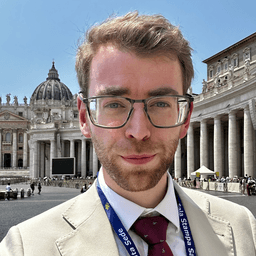
Michael Haynes is an English journalist in the Holy See Press Corps. He serves as Vatican Correspondent for the Catholic Herald, while readers can follow him at Per Mariam and on X @MLJHaynes.

Continue reading with a free account

Create a free account to read up to five articles each month
Create free account

You have # free articles remaining this month.

Subscribe to get unlimited access.
Sign up

subscribe to the catholic herald today

Our best content is exclusively available to our subscribers. Subscribe today and gain instant access to expert analysis, in-depth articles, and thought-provoking insights—anytime, anywhere. Don’t miss out on the conversations that matter most.
Subscribe