May 25, 2026

Pope Leo XIV: not quite in his own words

Melanie McDonagh
More
Related
Min read
share

Pope Leo XIV: The Biography. Elise Ann Allen (Ebury Vine, £25)

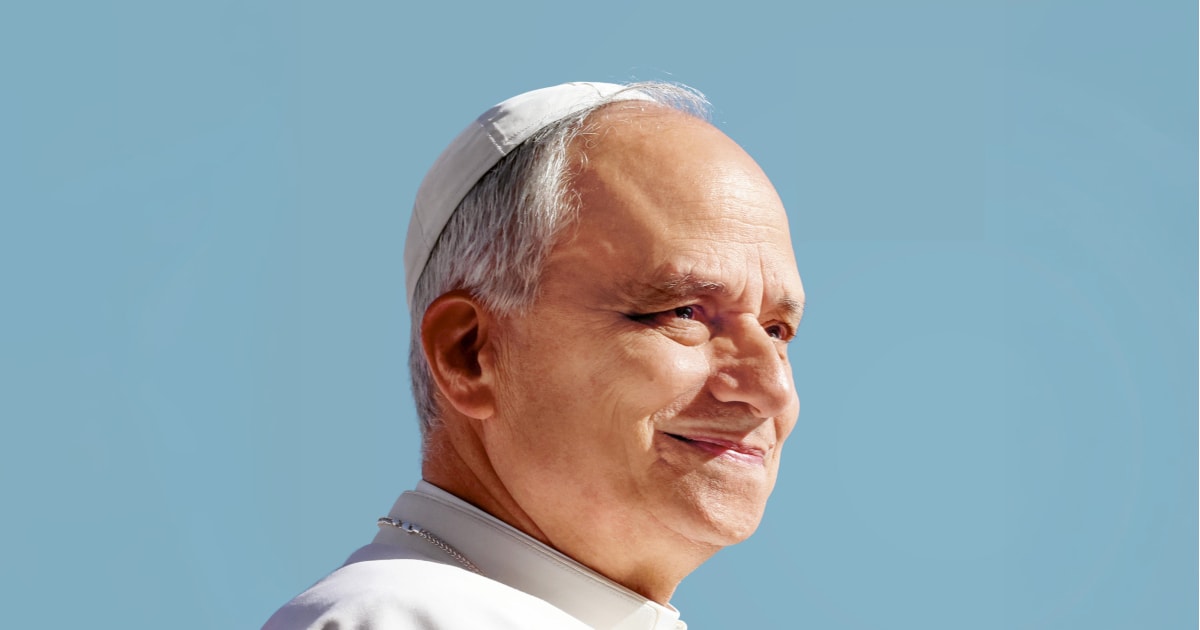
It’s not quite true, as a sticker on the cover of Pope Leo XIV suggests, that this is the Pope ‘in his own words’. The subtitle, ‘The Biography, as told to Elise Ann Allen’, conveys the idea that the Pope is dictating to the author. That, if true, would be quite something. What she does have is the benefit of two in-depth interviews with him after his election, as well as encounters in Lima and Rome. After he was appointed head of the Dicastery for Bishops in Rome, she and her husband, the late Vatican correspondent John Allen, invited Robert Prevost to dinner, and he turned out to be the perfect guest: he made jokes, ate everything and was good company. That was a lucky initiative.
These encounters are more than most journalists have had and Elise Ann Allen has made the most of them. But this is a book about Pope Leo, drawing on those interviews, not the Pope in his own words. The interviews with the Pope constitute the most interesting part of the book; you can practically skip to that chapter at the end.

What’s striking is how much space is given to things that do not matter much rather than things that are actually interesting. For instance, it turns out that the Pope likes to drive, and to drive fast, but the notion that he is an actual petrolhead is tucked away among worthy but forgettable material. At one point he is described as eating with the people in his diocese while leaning on his motorbike, and you think… what? He rides a motorbike? Tell us more, now! Except she doesn’t.

Indeed, to get to any interesting material in this biography, you have to glide over the anodyne and the obvious. So we learn over several pages that he has a good relationship with his goddaughter, named after his mother Mildred, and that their friendship is unaltered by his present eminence. All very moving, and you could say as much in a paragraph, but our author isn’t one to pass over the pieties. Indeed, there’s an awful lot in the book like that: a succession of people, including his barber and his personal trainer (‘he got the exercises right away and would do them well’), saying how nice and human Robert Prevost was, usually as a bishop, and how he is just the same man now… modest and caring. That’s lovely to know, but it can get tedious after several versions.

Certainly there is a common thread that runs through the narrative, of a man who is gentle, modest and compassionate; whose personality informs his mission, whether as director of vocations for the Augustinians, bishop in Chiclayo in Peru or indeed Pope. He set a good deal of store by collaborative ministry in his diocese by establishing small groups to address various areas of responsibility – synodality from the ground up – thus marking a change from the very different approach of Opus Dei, which had been in charge prior to his appointment.

We learn he is at ease working with women and in all his posts has gone out of his way to give women responsibility – short, obviously, of ordained ministry. In Peru, during the difficult periods when the Marxist Shining Path terrorist group challenged the political order and during the difficult presidency of Alberto Fujimori, he encouraged his people to fight for democracy but to eschew violence, a tricky balancing act. He was always happy mucking in with his congregations, being particularly keen to keep a beady eye on construction projects. He is not an intellectual theologian like Benedict, but he is, obviously, an intelligent man.

And of course, he is an Augustinian friar with a commitment to the order’s particular charisms. Funnily enough, JD Vance, who memorably observed that the Pope should be careful talking about theology, is also keen on Augustine. What wouldn’t we give to listen to them talking about the real Augustine, the dark Augustine, and whether he did indeed favour double predestination.

In the interviews, the Pope sets out his idea of his role. While he expresses concern about issues such as Artificial Intelligence and its implications for the world’s workers – ‘it was one of the issues at the back of my mind in choosing the name Leo… the challenges in front of us’ – he is clear about his own function. ‘I don’t feel the need to complicate it because my role is announcing the good news, preaching the gospel… if we lose the horizon, we lose the compass. … I don’t see my primary role as trying to be the solver of the world’s problems.’

That is a refreshing take by the Pope on the papacy.

Leo is the first Anglophone Pope since Adrian IV, which means English speakers can understand him and the nuances of his speech without a filter. Sometimes his observations can seem bland, but sometimes bland is good. And he is right to say that no one now can say he doesn’t understand America and Americans. He can, which makes his present engagement with the US president so very compelling.

Continue reading with a free account

Create a free account to read up to five articles each month
Create free account

You have # free articles remaining this month.

Subscribe to get unlimited access.
Sign up

subscribe to the catholic herald today

Our best content is exclusively available to our subscribers. Subscribe today and gain instant access to expert analysis, in-depth articles, and thought-provoking insights—anytime, anywhere. Don’t miss out on the conversations that matter most.
Subscribe