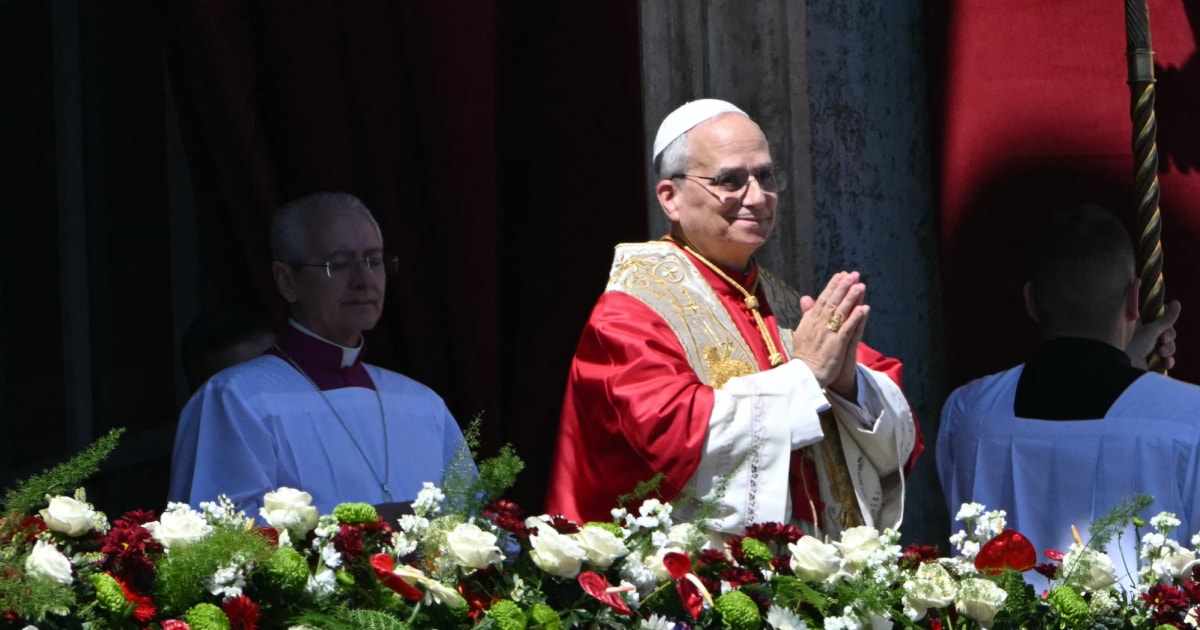


Pope Leo XIV’s prayer vigil for peace in St Peter’s Basilica this evening will be marked by the light of the Lamp of Peace from Assisi, with faithful from five continents set to light candles from the flame that burns perpetually at the tomb of St Francis. The Vatican released further details of the vigil on 10 April, presenting it as a moment of prayer, hope and spiritual solidarity in a world still marked by conflict.
The vigil will begin at 6 p.m. Roman time on Saturday, 11 April, in St Peter’s Basilica. Pope Leo first announced it during his Easter Sunday Urbi et Orbi message and repeated the invitation at his general audience on 8 April, asking the faithful throughout the world to unite themselves to a dedicated hour of prayer for peace.

According to Vatican News, the service will be centred on the Glorious Mysteries of the Rosary and guided by meditations drawn from the early Church Fathers, including St Augustine of Hippo, St John Chrysostom and St Ambrose of Milan. The themes of the evening will be peace and hope, with the Vatican framing the event not simply as a devotional gathering but as a spiritual accompaniment to a fragile diplomatic moment.
The symbolism of the Assisi flame is central to the vigil’s design. During the Rosary, participants from Africa, the Americas, Asia, Europe and Oceania will light candles using the fire from the Lamp of Peace in Assisi, linking the prayer in St Peter’s to the Franciscan shrine long associated with reconciliation and peace. The lamp itself burns at the tomb of St Francis of Assisi, whose witness continues to carry a strong association with peacemaking in Catholic life.
The background to the vigil is the continuing violence across several regions of the world. Pope Leo had called for this special moment of prayer despite a two-week ceasefire involving Iran, Israel and the United States, because conflict still continues in Lebanon, Sudan, Ukraine, Yemen and elsewhere. On Easter Sunday, the Pope said that the peace given by Christ is not merely the silence of weapons, but a peace that touches and transforms the human heart.
Leo has made clear that prayer is not being offered as a substitute for political effort, but as something that must accompany it. He urged that this “delicate diplomatic work” should be accompanied by prayer. The vigil therefore sits alongside the Holy See’s repeated calls during Holy Week and Easter for restraint, dialogue and a peace deeper than temporary military quiet.
The service will conclude with a reflection and prayer from the Pope himself, followed by his final blessing and a petition for the grace of peace for the whole world. In keeping with the broader emphasis of his recent appeals, the event is designed to unite different peoples in a shared act of intercession rather than focus narrowly on a single conflict.