

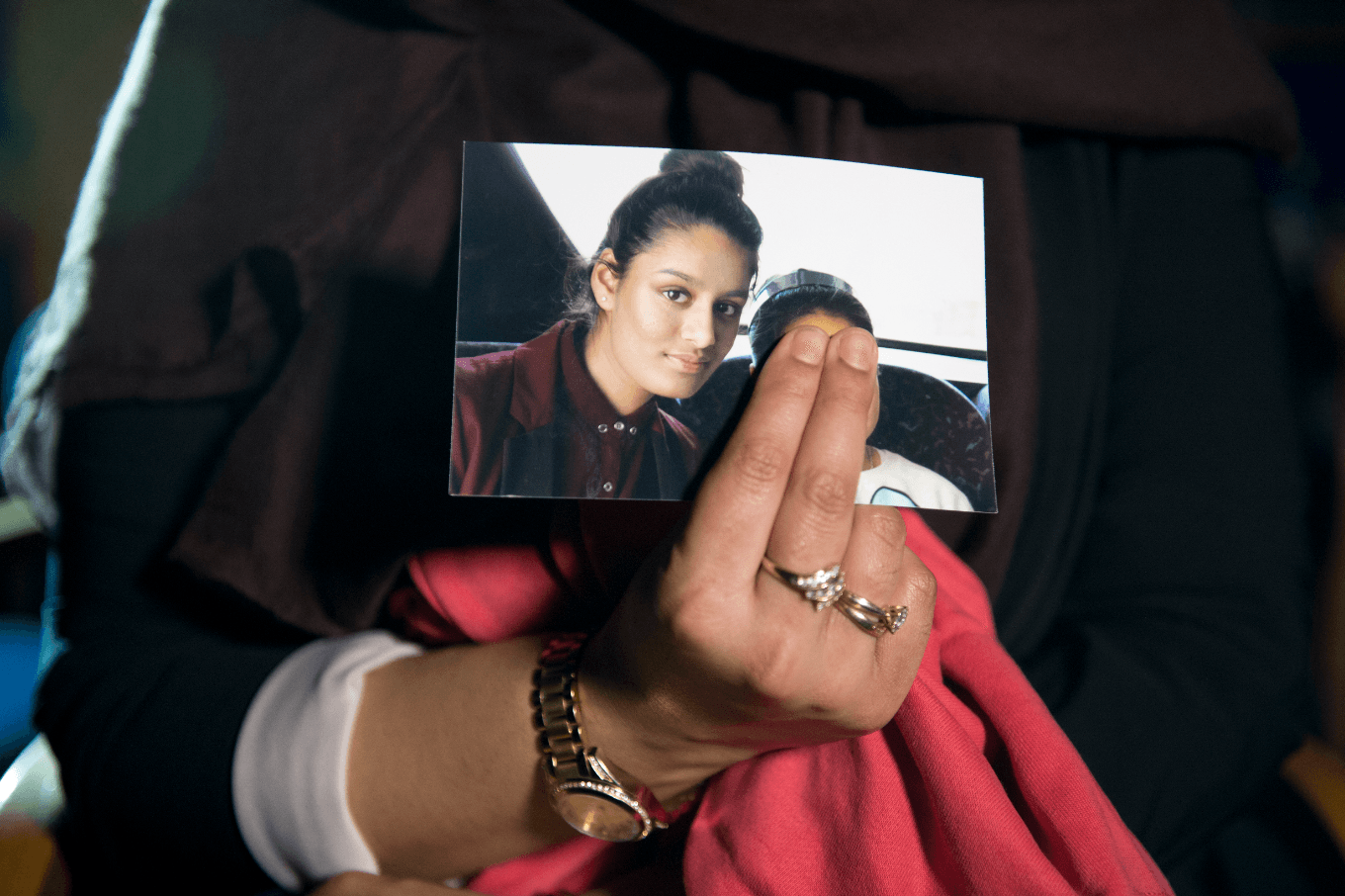
The woman selling daily papers at the supermarket pointed to a picture of Shamima Begum, the “jihadi bride” who now wants to return to Britain. “No way is that girl coming back to this country,” she said firmly. “Those ISIS monsters have beheaded people. And she says she’s not bothered by that.” “But she’s just about to have a baby,” I said. “It’s not the child’s fault, after all. And two of her previous children have died.” “Should have thought of that before she joined up with terrorists, shouldn’t she?” This, I reflected, was probably the majority attitude towards Shamima Begum, who has since given birth to a son. She made her choice and she should take the consequences. Even though she was only 15 at the time of this choice, and legally a child herself. “Choice” is a catchphrase which has gained cult-like currency in recent years: the measure of everything is personal choice. But in a highly publicised case like this one, the notion of “consequences” has been given a more public airing. And maybe a salutary one. All choices have consequences. We get away with nothing. But a thread in this story is motherhood, and a young woman’s capacity to become a mother. This adds another dimension to any choice. She made a choice for herself when she joined ISIS; but she didn’t make that choice for her child. And because she is now the mother of a son, the circumstances have changed. In all humanity, we are bound to try to proceed in the best interests of the child. As she is, at the time of writing, a British citizen, she must eventually be allowed to return to this country. The due process of law should then unfold. Everyone has to face the consequence of their choices, but the wellbeing of the baby she has just borne – who also qualifies as British – must surely also be taken into consideration.
1:30 PM
Shamima Begum's son didn't choose ISIS
the woman selling daily papers at the supermarket pointed to a picture of shamima begum, the “jihadi bride” who now wants to return to brita...
Mary Kenny

4 min read



Already a subscriber? Sign in
5freearticles every month
Continue reading with a free account. No card needed.
- Five free articles every thirty days, on any device you sign in on
- The Catholic Herald newsletter, every morning
- Subscribe whenever you like for everything: every article and the magazine

subscribe to the catholic herald today
Our best content is exclusively available to our subscribers. Subscribe today and gain instant access to expert analysis, in-depth articles, and thought-provoking insights—anytime, anywhere. Don’t miss out on the conversations that matter most.
Subscribe