

June 28, 2026

Sowing, prayer and the wounds of Christ

Magnificat
More
Related
Min read
share

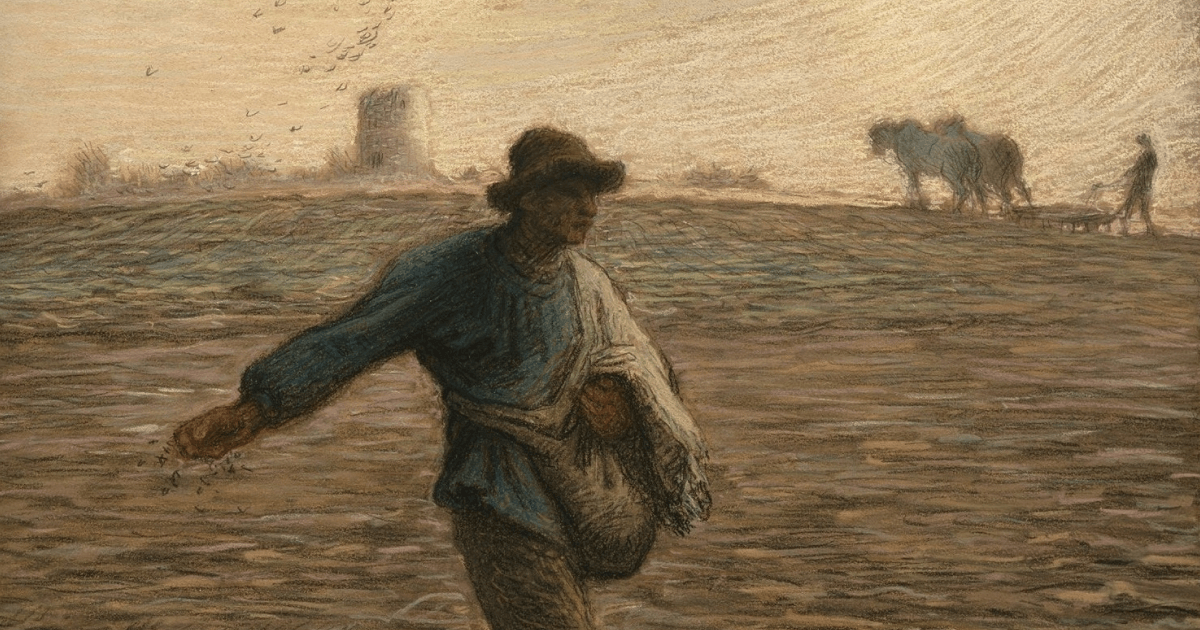
After the last two days in June and the Feast of the Early Martyrs, we pass into July. The cover for this month’s issue is Millet’s The Sower. The accompanying essay by the founder of Magnificat, Pierre-Marie Dumont, underlines the appropriate nature of the subject matter.

“Here the peasant sows as Abel the righteous sowed at the dawn of the world, and as Jesus of Nazareth sowed His word when the fullness of time had come. Millet painted what he himself confessed: ‘The peasant at his work is like a priest at his Mass.’ Then everything becomes clear: the step is a procession, the hand is a blessing, the land is an altar. For to sow is to begin to accomplish the mystery wherein the grain, fallen into the earth, dies in order to live, is lost in order to multiply, disappears in order to rise again. Mystery of mysteries where God explains nothing, yet in the end accomplishes everything in us, for us.”
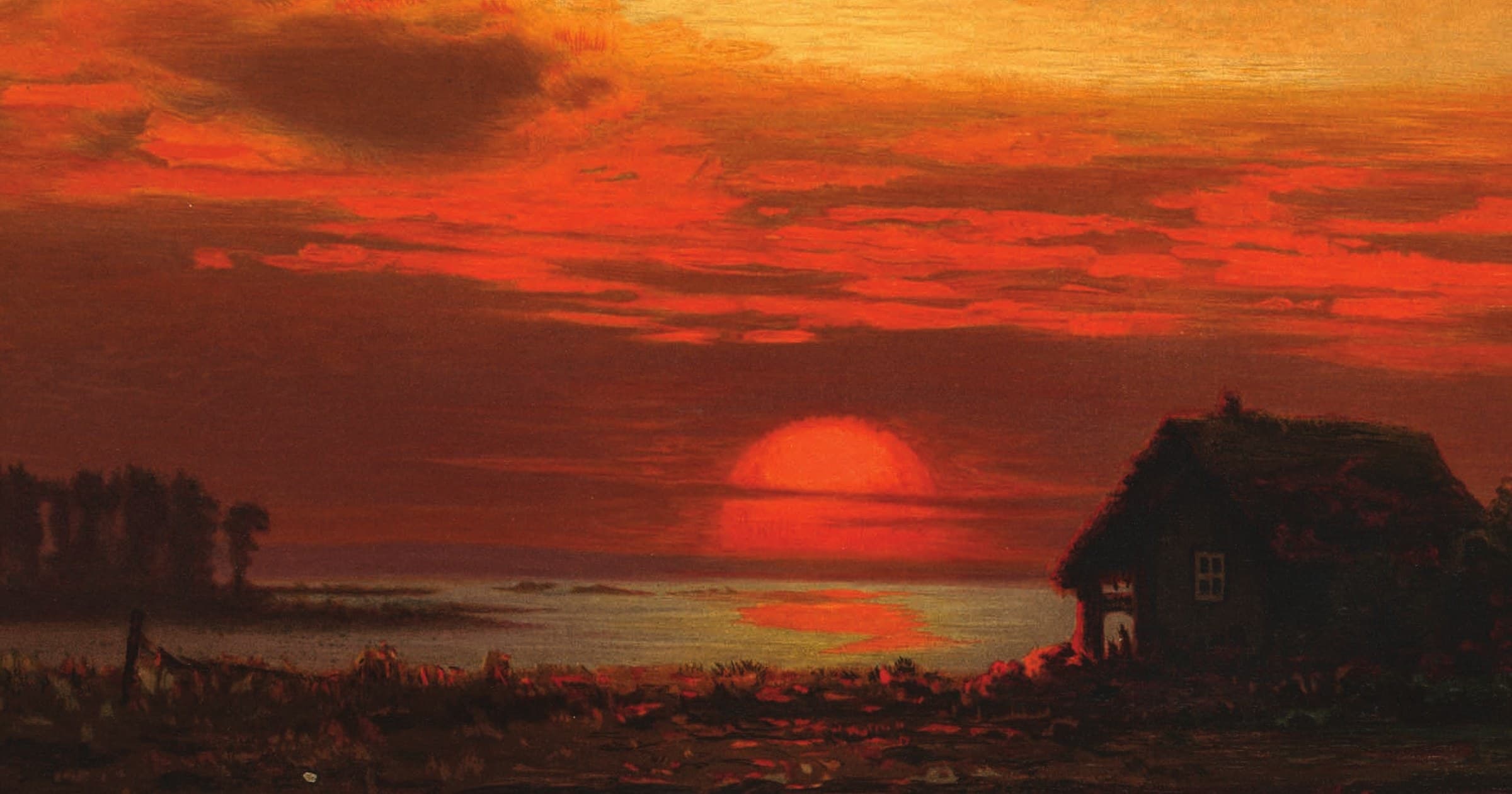
The “Saint Who?” series this month highlights saints who teach us about this mystery of mysteries: prayer.

“The Catechism explains this mystery using the words of Scripture. For example, the New Testament shows us how our Saviour taught His disciples to pray, and the Psalter consists entirely of prayers to God. The Catechism also cites the greatest writings of the saints. The Carmelite nun St Thérèse of Lisieux famously wrote in her autobiography: ‘For me, prayer is a surge of the heart; it is a simple look turned towards heaven, it is a cry of recognition and of love, embracing both trial and joy.’ For saints (and would-be saints), prayer starts with a simple turning towards God, whether in praise or petition, thanksgiving or agony, confusion or joy. St Gertrude the Great and St Mary Magdalene de’ Pazzi spent decades living in solitude, while St Patrick of Ireland and St John of Ávila travelled the countryside as preachers. However, they and all the other saints of the Church did not become experts in prayer simply because of Religious vocations or favourable circumstances in life. All the saints recognised God’s invitation to spend time with Him in their hearts, and, day in and day out, they said yes.”

First up is that great Church Father who has had such an influence on our present Pope: St Augustine, who “emphasised that God dwells by grace in the hearts of those who love Him. He wrote that the phrase ‘Our Father who art in heaven’ reminds us that ‘those who pray should desire the one they invoke to dwell in them.’ Like Augustine, we should pray for God to dwell in our hearts. And then we should thank God for His patience with us.”

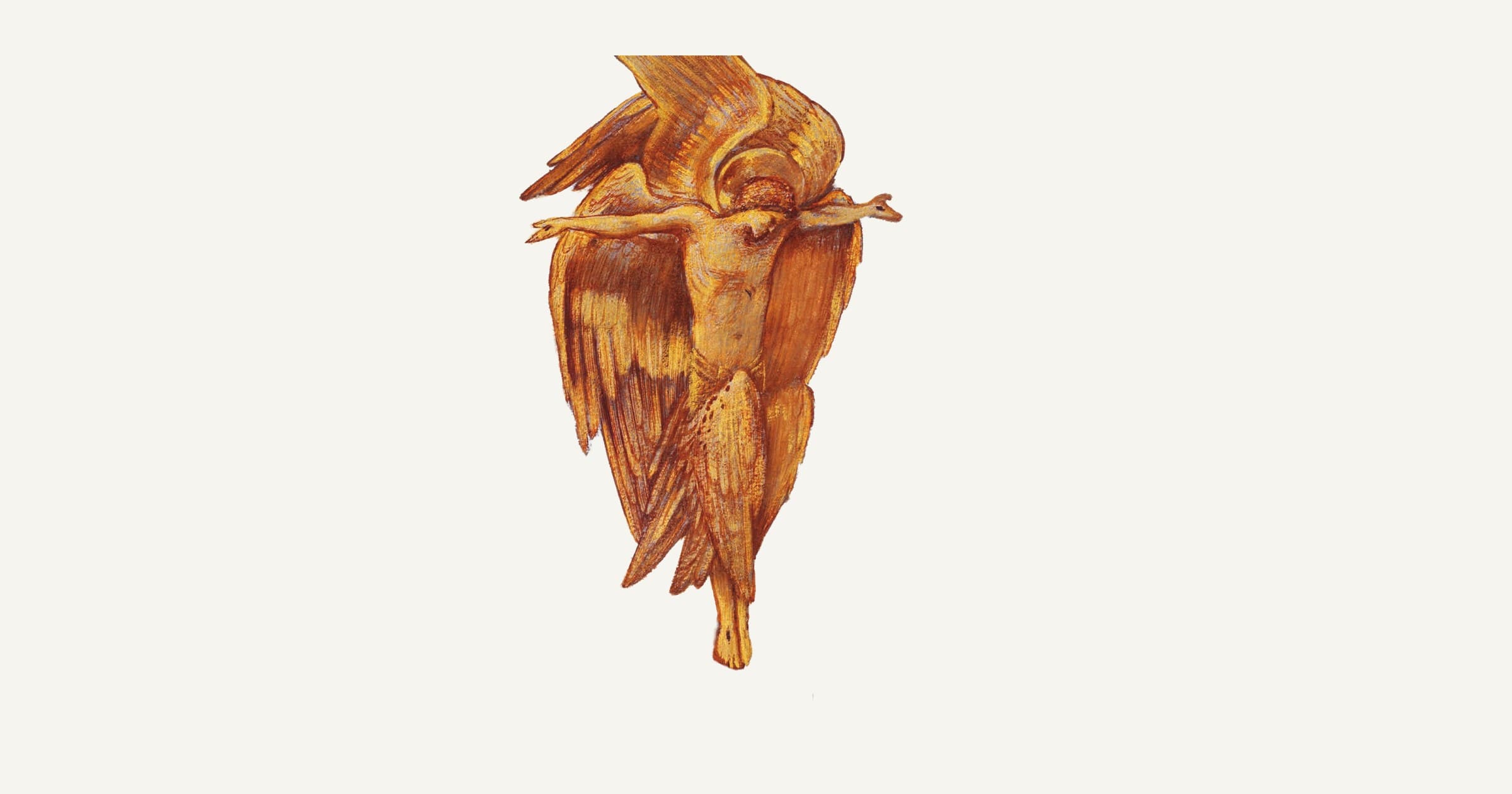
The Apostle we celebrate on July 3 demonstrates the patience of Christ with His followers. St Thomas asked for proof of Our Lord’s Resurrection, which, in its way, was a prayer: the prayer of the sceptic. Jesus’s appearance in the supposedly locked room (John 20:24–29) is not only a direct response to Thomas’s need, but unlocks a beautiful stream of reflection for the rest of us: the contemplation of the wounds of Christ. “My Lord and my God” has become the prayer we say silently at every elevation of the Host during Mass. “Blessed are those who have not seen and yet have believed”...

As St Thomas Aquinas puts it in the meditation for this feast: “It was not by accident that this chosen disciple [Thomas] was missing, but by God’s will. It was in the plans of the divine pity that by feeling the wounds in the flesh of his Teacher, the doubting disciple should heal in us the wounds of disbelief... It is certain that Christ, who arose as a complete person, could have healed the marks of His wounds; but He kept them for our benefit.”

The Gospel for the 14th Sunday in Ordinary Time (Matthew 11:25–30) reveals even more deeply how mindful Jesus is of our spiritual needs, something that the monthly Lectio Divina unpacks for us.

“At that time Jesus declared: ‘I thank You, Father, Lord of heaven and earth, that You have hidden these things from the wise and understanding and revealed them to little children; yes, Father, for such was Your gracious will. All things have been handed over to Me by My Father, and no one knows the Son except the Father, and no one knows the Father except the Son and anyone to whom the Son chooses to reveal Him. Come to Me, all who labour and are heavy laden, and I will give you rest. Take My yoke upon you, and learn from Me, for I am gentle and lowly in heart, and you will find rest for your souls. For My yoke is easy, and My burden is light.’”

Let us rest, then, with the hymn for Morning Prayer on July 3, in the great mystery of Christ’s merciful love for us all.

See, Lord, at Thy service low lies here a heart
Lost, all lost in wonder at the God Thou art.
Seeing, touching, tasting are in Thee deceived:
How says trusty hearing? That shall be believed;
What God’s Son has told me, take for truth I do;
Truth Himself speaks truly or there’s nothing true.
On the Cross Thy Godhead made no sign to men,
Here Thy very manhood steals from human ken:
Both are my confession, both are my belief,
And I pray the prayer of the dying thief.
I am not like Thomas, wounds I cannot see,
But can plainly call Thee Lord and God as he;
Ever deeper faith, Lord, give me from above,
Daily make me harder hope and dearer love.

Magnificat is a spiritual guide to help you develop your prayer life, grow in your spiritual life, find a way to a more profound love for Christ, and participate in the holy Mass with greater fervour. If you are in the UK, you can subscribe here.

Continue reading with a free account

Create a free account to read up to five articles each month
Create free account

You have # free articles remaining this month.

Subscribe to get unlimited access.
Sign up

subscribe to the catholic herald today

Our best content is exclusively available to our subscribers. Subscribe today and gain instant access to expert analysis, in-depth articles, and thought-provoking insights—anytime, anywhere. Don’t miss out on the conversations that matter most.
Subscribe