
June 14, 2026

Saint Alban: “First of Britain’s sons to die”

Andrew Cusack
More
Related
Min read
share

SAINT OF THE WEEK: June 20 – Saint Alban

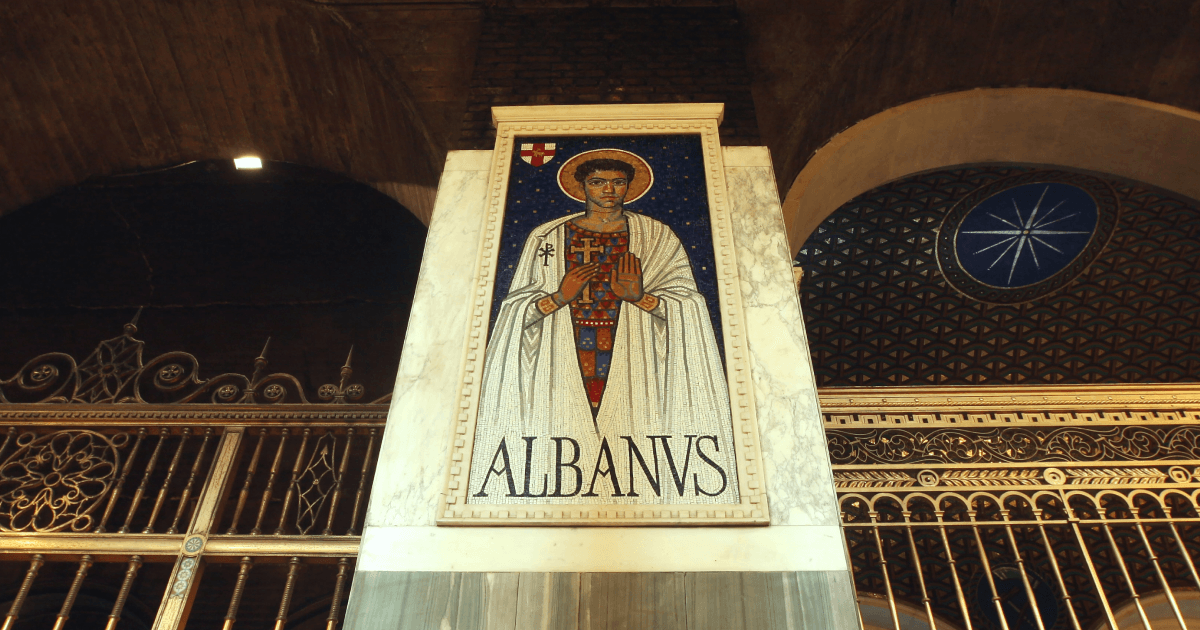
During the brief part of my education that took place in Argentina, I attended a splendid little school that considered itself an outpost of English civilisation. Named after St Alban, the school song described its patron as “Valiant soldier, noble martyr: first of Britain’s sons to die”. That is about as apt a summary of the life of Alban as you can get. We do not know a terrible lot about him, but his martyrdom around the year 300 – though possibly as early as 209 – was such that it has still left an imprint 16 centuries later.
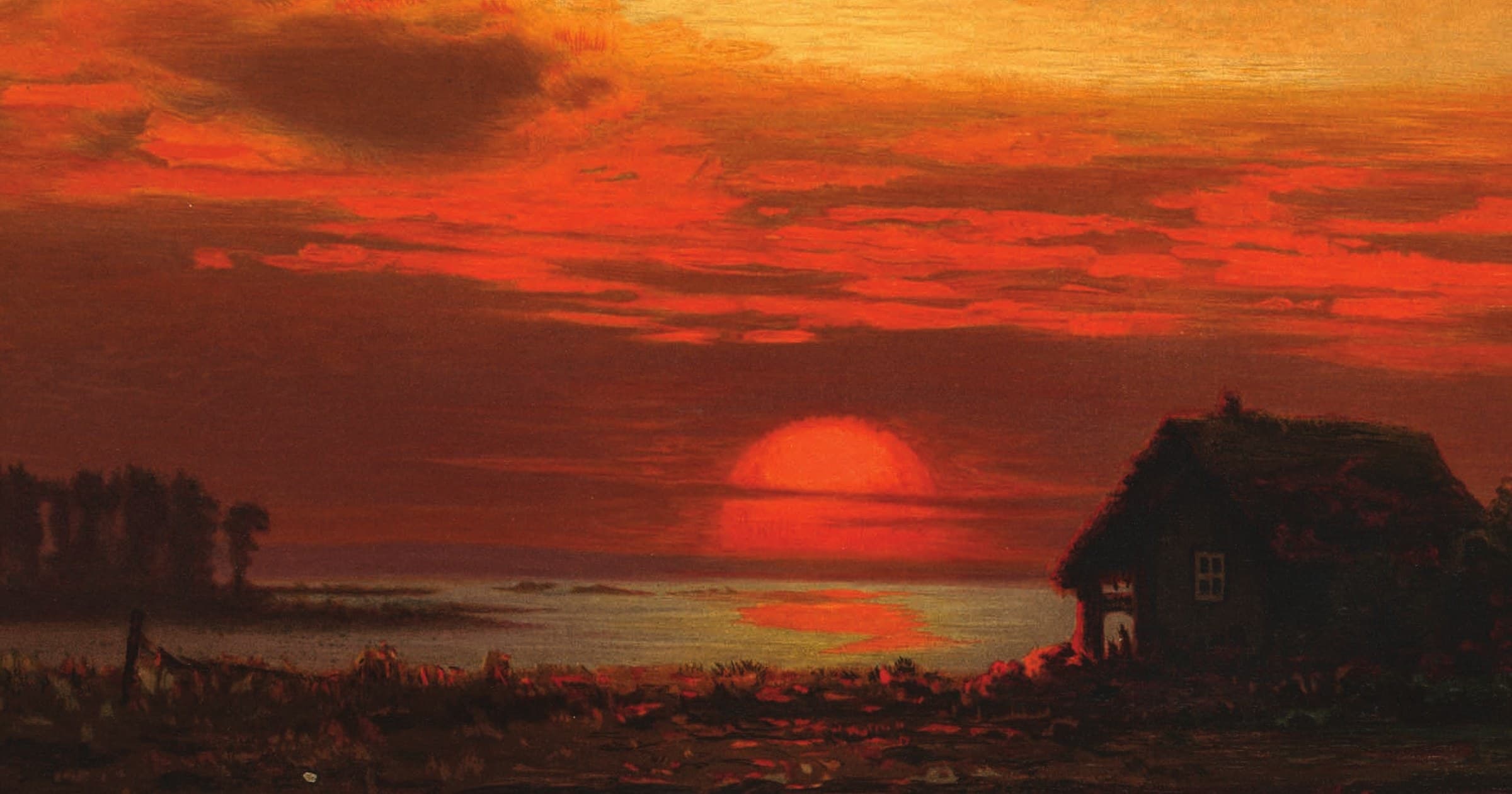
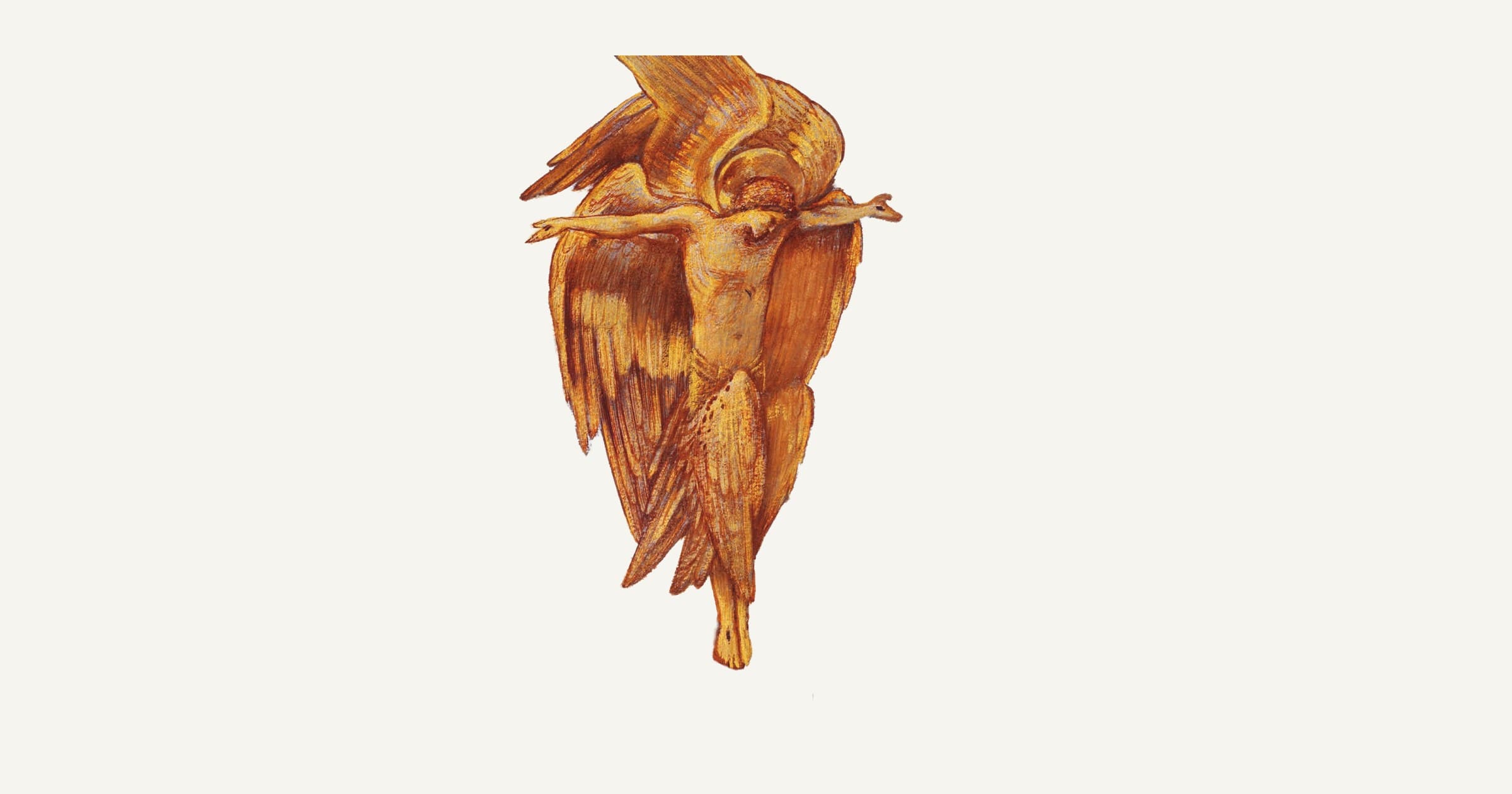
Alban lived in the Roman city of Verulamium, near the site of the present-day city in Hertfordshire that bears his name. According to Bede’s account, Alban was not yet a Christian when, during a period of persecution, he encountered a priest fleeing the authorities. He offered the fugitive shelter in his home and was struck by the man’s prayer, devotion and courage.

As the priest remained in hiding, Alban gradually embraced the faith he witnessed. Before long, the host became a convert. When soldiers eventually arrived to arrest the priest, Alban chose to switch clothes with him and present himself in the hunted priest’s place.

Brought before the local judge, Alban was ordered to sacrifice to the pagan gods. He refused, declared himself a Christian, and remained steadfast despite threats and punishment. Angered by his defiance, the judge condemned him to death.

Devotion to him spread rapidly: by the time of Bede in the 8th century, a great church already stood over the place of his burial, attracting pilgrims from across Britain. Offa of Mercia endowed it with a Benedictine community around 793.

The shrine of St Alban became one of the most important pilgrimage destinations in medieval England. The great abbey built in his honour dominated the surrounding landscape and helped preserve the memory of the nation’s protomartyr through centuries of political and religious change.

Unfortunately, the thriving community attracted the unwanted attention of Thomas Cromwell’s commissioners. The last abbot surrendered the abbey to the Crown on December 5, 1539 – the shrine was demolished and the saint’s relics dispersed.

In the 1950s, a relic of St Alban that was part of those at the Church of St Pantaleon in Cologne was given to St Michael’s Abbey at Farnborough to ensure the saint could be venerated in England. In 2002, the Cologne church donated a scapula believed to belong to Alban to the former abbey church at St Albans – since 1877 an Anglican cathedral – and it was placed within the Victorian restoration of the shrine.

Some scholars have questioned whether the relics are those of Alban at all, suggesting they might belong to a British saint named Albinus instead. But it is also suggested that the cult of St Alban spread early on to certain continental towns and was adopted so thoroughly that other saints named Alban – like St Alban of Mainz – may in fact be the British saint himself.

Abroad, the highest natural point of Washington, DC, is known as Mount Saint Alban, and is now home to the (Episcopalian) Washington National Cathedral as well as its attached St Alban’s School, where many of the sons of American politicians have been educated. Denmark has an Anglican church dedicated to him in Copenhagen as well as a rather handsome neo-Gothic Catholic church of St Alban in Odense. A neighbourhood in the New York City borough of Queens also bears his name, after the English city.

Many English saints left behind monasteries, writings or missionary foundations – Alban left none of these. His legacy rests instead upon a single act of courage and sacrifice. Having discovered Christ through the example of another believer, he chose fidelity over safety and the offering of his life over the natural instinct for self-preservation. For that witness, England’s first martyr continues to be remembered today.

Continue reading with a free account

Create a free account to read up to five articles each month
Create free account

You have # free articles remaining this month.

Subscribe to get unlimited access.
Sign up

subscribe to the catholic herald today

Our best content is exclusively available to our subscribers. Subscribe today and gain instant access to expert analysis, in-depth articles, and thought-provoking insights—anytime, anywhere. Don’t miss out on the conversations that matter most.
Subscribe