
May 24, 2026

The Spirit descends like fire

St John Chrysostom
More
Related
Min read
share

“And when the day of Pentecost was fully come, they were all with one accord in one place. And suddenly there came a sound from Heaven.”

Do you perceive the type? What is this Pentecost? The time when the sickle was to be put to the harvest, and the ingathering was made. See now the reality, when the time had come to put in the sickle of the word: for here, as the sickle, keen-edged, came the Spirit down.

For hear the words of Christ: “Lift up your eyes,” He said, “and look on the fields, for they are white already to harvest.” And again, “The harvest truly is great, but the labourers are few.” But as the first-fruits of this harvest, He Himself took [our nature], and bore it up on high. Himself first put in the sickle. Therefore also He calls the Word the Seed.
“When,” it says, “the day of Pentecost was fully come”: that is, when at the Pentecost, while about it, in short. For it was essential that the present events likewise should take place during the feast, that those who had witnessed the Crucifixion of Christ might also behold these. “And suddenly there came a sound from Heaven.” Why did this not come to pass without sensible tokens? For this reason.

If even when the fact was such, men said, “They are full of new wine,” what would they not have said, had it been otherwise? And it is not merely, “there came a sound,” but, “from Heaven.” And the suddenness also startled them, and brought all together to the spot. “As of a rushing mighty wind”: this betokens the exceeding vehemence of the Spirit. “And it filled all the house”: insomuch that those present both believed, and in this manner were shown to be worthy.

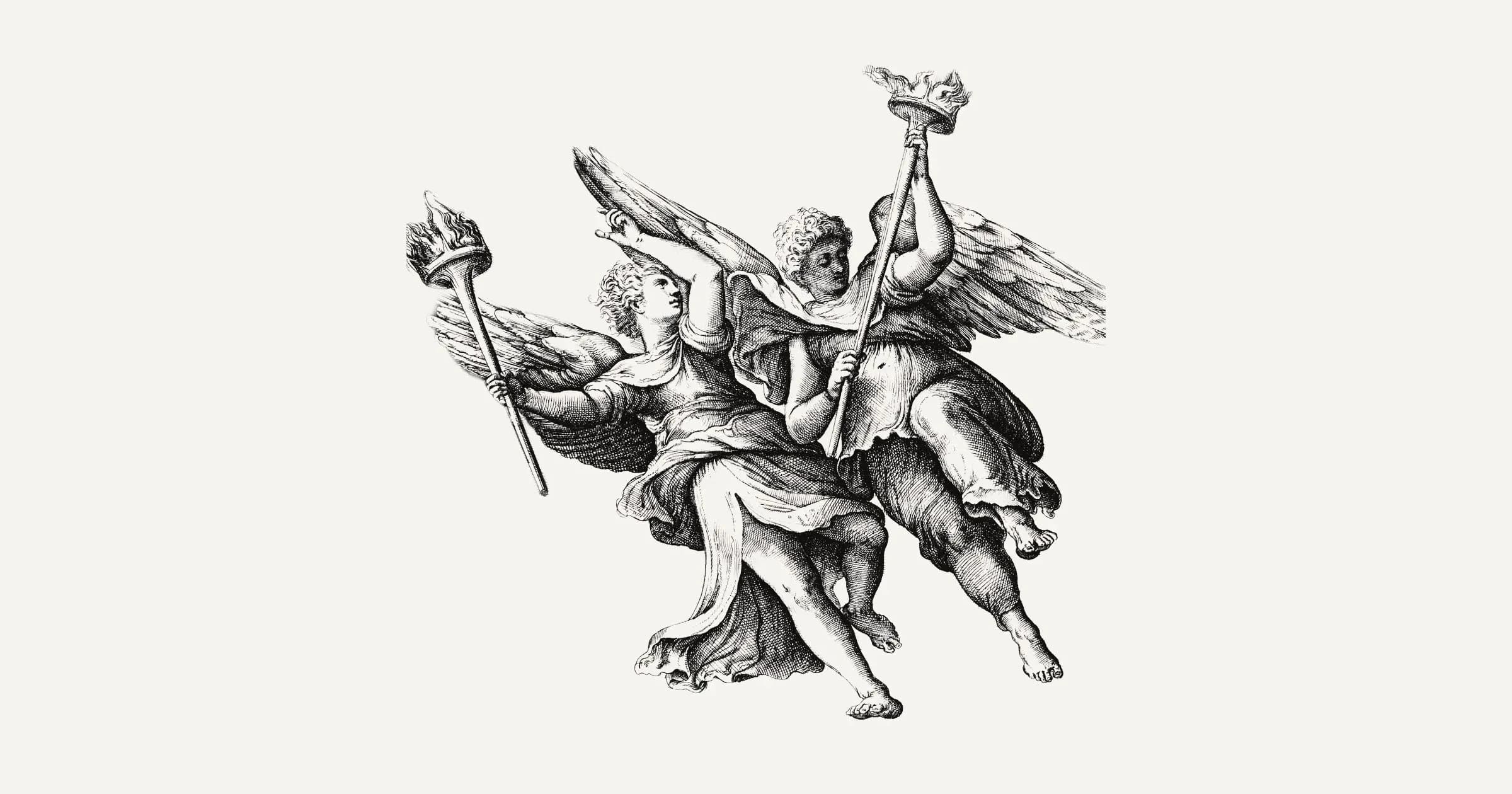
Nor is this all; but what is more awful still, “And there appeared unto them,” it says, “cloven tongues like as of fire.” Observe how it is always “like as”; and rightly: that you may have no gross sensible notions of the Spirit. Also, “as it were of a blast”: therefore it was not a wind.

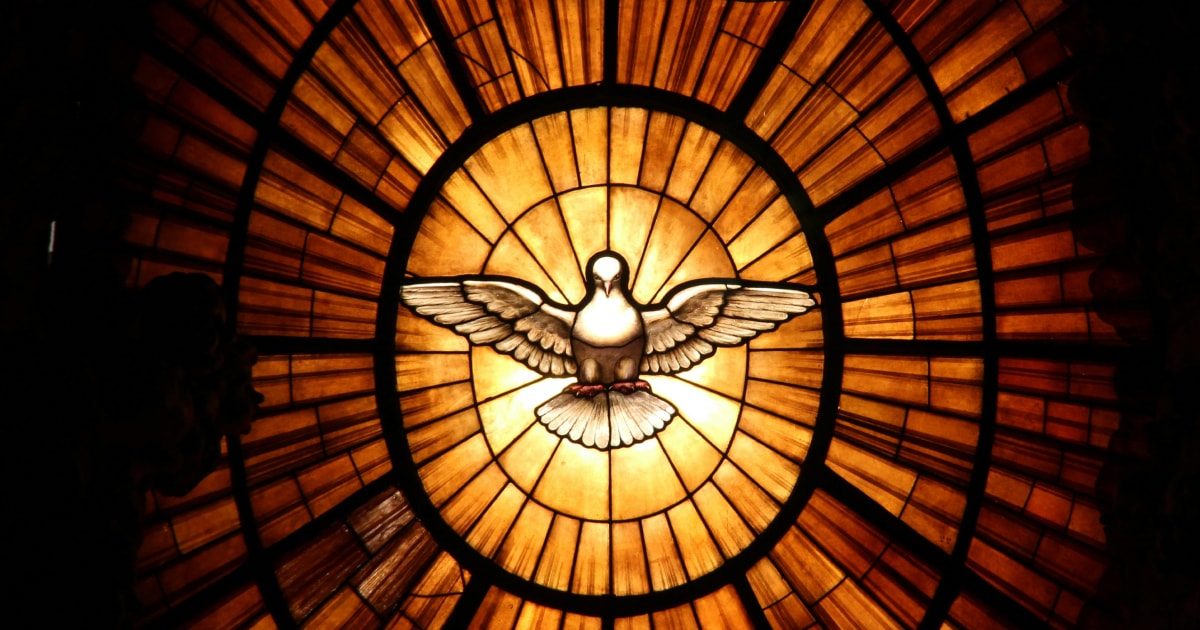
“Like as of fire.” For when the Spirit was to be made known to John, then it came upon the head of Christ as in the form of a dove: but now, when a whole multitude was to be converted, it is “like as of fire. And it sat upon each of them.” This means that it remained and rested upon them. For the sitting is significant of settledness and continuance.

Was it upon the 12 that it came? Not so; but upon the 120.

For Peter would not have quoted to no purpose the testimony of the prophet, saying, “And it shall come to pass in the last days, says the Lord God, I will pour out of My Spirit upon all flesh: and your sons and your daughters shall prophesy, and your young men shall see visions, and your old men shall dream dreams.” “And they were all filled with the Holy Spirit.” For, that the effect may not be to frighten only, therefore is it both “with the Holy Spirit” and with fire.

“And began to speak with other tongues, as the Spirit gave them utterance.” They receive no other sign but this first; for it was new to them, and there was no need of any other sign. “And it sat upon each of them,” says the writer. Observe now, how there is no longer any occasion for that person to grieve, who was not elected as was Matthias. “And they were all filled,” he says; not merely received the grace of the Spirit, but “were filled”.

“And began to speak with other tongues, as the Spirit gave them utterance.” It would not have been said, All, the Apostles also being there present, unless the rest also were partakers. For were it not so, having above made mention of the Apostles distinctively and by name, he would not now have put them all in one with the rest. For if, where it was only to be mentioned that they were present, he makes mention of the Apostles apart, much more would he have done so in the case here supposed.

Observe how, when one is continuing in prayer, when one is in charity, then it is that the Spirit draws near. It put them in mind also of another vision: for as fire did He appear also in the bush. As the Spirit gave them utterance. For the things spoken by them were profound utterances.

Source: St John Chrysostom, Homily 4 on Acts, public-domain translation from Nicene and Post-Nicene Fathers, First Series, Vol 11.

Continue reading with a free account

Create a free account to read up to five articles each month
Create free account

You have # free articles remaining this month.

Subscribe to get unlimited access.
Sign up

subscribe to the catholic herald today

Our best content is exclusively available to our subscribers. Subscribe today and gain instant access to expert analysis, in-depth articles, and thought-provoking insights—anytime, anywhere. Don’t miss out on the conversations that matter most.
Subscribe