


December 8, 2025
December 6, 2025

The story of St Nicholas

Min read
share

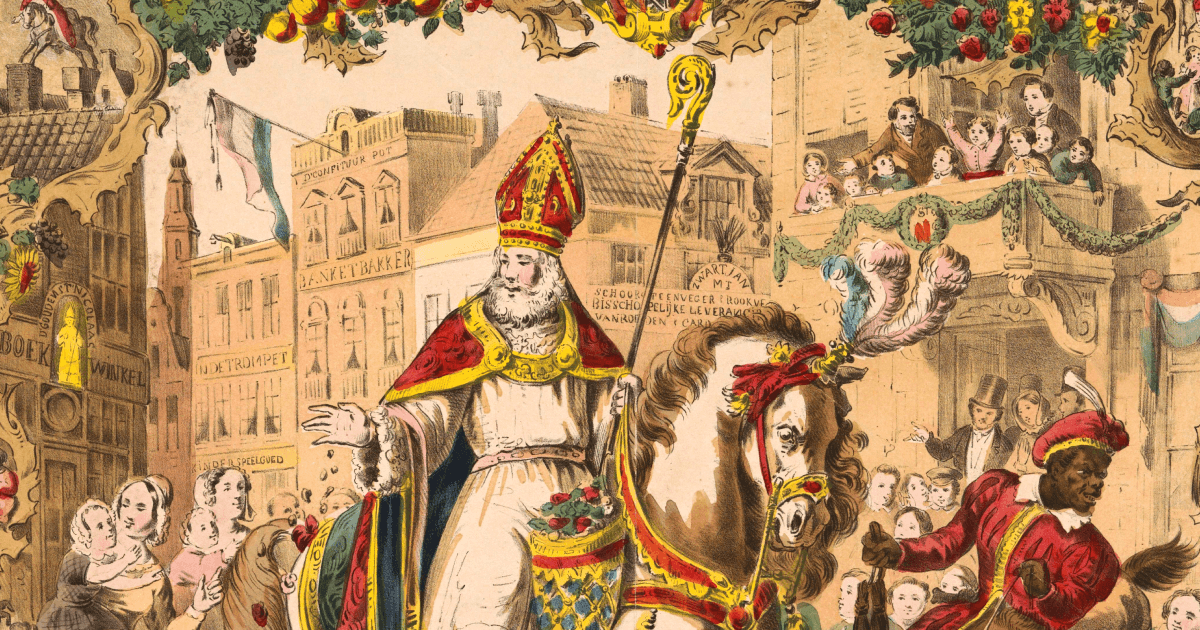
Nicholas, born into an illustrious family, was a citizen of the city of Patara, one of the most noble cities of the province of Lycia.
When he was deprived of both parents, he often put before the eyes of his mind that gospel saying: “Unless a man renounce all that he possesses, he cannot be my disciple.”

Then in private, drawing back every veil of his longings before God, he prayed that He who has all knowledge would deign to inspire him, in order that he might so arrange things concerning the great wealth which had been left to him, that he might be approved in the divine presence with no human praise.

While he was considering such things, it happened that one of his once-wealthy fellow citizens fell into such poverty that he did not even have the necessities of life. With his hunger increasing, he decided to prostitute his three virgin daughters—whose hands in marriage even humble men were spurning—so that by their infamous trade he might at least carry on his unhappy life. Shame on him! Immediately the report of such an evil—nothing else spreads faster—demoralised the whole city, filling people with much talk.

When the holy man discovered this, he sympathised with that most miserable man. Deploring the defilement of the virgins, he decided to replenish completely their poverty out of his abundance, so that the nobly born girls should not be defiled by the infamy of the brothel. But as he was unwilling to have any observer of his own deed other than Christ, he began to explore the different times at which this might be done in such a way as to remain unknown even to those for whom it was being done.

So when the hour of a certain night arrived, he took not a little gold, and wrapping it in a cloth, he went to the man’s house. He secretly threw the gold inside through a window which seemed appropriate, after looking from all sides, and secretly departed.

In the morning, when the man had arisen and discovered the gold, he at first stood frozen, and then exulted with so much joy, giving great thanks to God—shown by the flowing tears which the magnitude of his joy had poured out.

Having celebrated the wedding of his eldest daughter according to custom, the man began to inquire diligently who it was that had shown such kindness to his poverty. Nicholas, the servant of Jesus Christ, not long afterwards, in the same manner as before, performed a similar action.

A very few days having passed, behold, Nicholas, the worshipper of the Trinity, arrived again, and desiring to complete the twice-repeated action with a triple number, he threw in a sum of money equal to the previous two. Awoken by the sound of that, the man went out immediately and followed closely behind him, crying: “Stop, and do not withdraw yourself from my sight!”

Running faster, he recognised Nicholas through the shadows. Immediately prostrating himself, he tried to kiss his feet. This the saint, pious as he was, forbade him to do.

The city of Myra was deprived of its bishop.
The bishops of the adjacent districts assembled with the clergy, so that they might provide that church with a suitable governor. In a wonderful manner, at dawn, as if sent from God, before anyone else there came Nicholas. The bishops rejoiced; the clergy were frolicking like happy sheep. Although he greatly resisted, he was immediately enthroned.

Because Nicholas attributed nothing to himself, but everything to God’s grace, he began to shine so much with miracles that not only his own people, but also foreigners—oppressed by whatever difficulties—by calling upon his name immediately felt relief.

One day some sailors were in danger of a sudden storm at sea, to the point that everything threatened immediate death. With their limbs weakened by the cold, they began to cry out: “O Nicholas, servant of God, if what we have heard about you is true, let us now experience it, for we are in utmost danger.” O wonderful thing!

To those offering such prayers, there appeared something in the shape of a man, saying to them: “Well, you have called me. Behold, here I am.” And he began to help them with the ropes and halyards and the other equipment of the ship. Not long after, all the crashing of the waves ceased, and the whole storm abated. Then the overjoyed sailors, ploughing the tranquil seas, arrived as quickly as possible at the desired port.

On disembarking, they began to ask where Nicholas was. When he had been pointed out to them in the church, they went in immediately and instantly recognised him.

John the Deacon (c. 880 AD), using Greek sources.
Translated and edited by Roger Pearse.

Nicholas, born into an illustrious family, was a citizen of the city of Patara, one of the most noble cities of the province of Lycia.
When he was deprived of both parents, he often put before the eyes of his mind that gospel saying: “Unless a man renounce all that he possesses, he cannot be my disciple.”

Then in private, drawing back every veil of his longings before God, he prayed that He who has all knowledge would deign to inspire him, in order that he might so arrange things concerning the great wealth which had been left to him, that he might be approved in the divine presence with no human praise.

While he was considering such things, it happened that one of his once-wealthy fellow citizens fell into such poverty that he did not even have the necessities of life. With his hunger increasing, he decided to prostitute his three virgin daughters—whose hands in marriage even humble men were spurning—so that by their infamous trade he might at least carry on his unhappy life. Shame on him! Immediately the report of such an evil—nothing else spreads faster—demoralised the whole city, filling people with much talk.

When the holy man discovered this, he sympathised with that most miserable man. Deploring the defilement of the virgins, he decided to replenish completely their poverty out of his abundance, so that the nobly born girls should not be defiled by the infamy of the brothel. But as he was unwilling to have any observer of his own deed other than Christ, he began to explore the different times at which this might be done in such a way as to remain unknown even to those for whom it was being done.

So when the hour of a certain night arrived, he took not a little gold, and wrapping it in a cloth, he went to the man’s house. He secretly threw the gold inside through a window which seemed appropriate, after looking from all sides, and secretly departed.

In the morning, when the man had arisen and discovered the gold, he at first stood frozen, and then exulted with so much joy, giving great thanks to God—shown by the flowing tears which the magnitude of his joy had poured out.

Having celebrated the wedding of his eldest daughter according to custom, the man began to inquire diligently who it was that had shown such kindness to his poverty. Nicholas, the servant of Jesus Christ, not long afterwards, in the same manner as before, performed a similar action.

A very few days having passed, behold, Nicholas, the worshipper of the Trinity, arrived again, and desiring to complete the twice-repeated action with a triple number, he threw in a sum of money equal to the previous two. Awoken by the sound of that, the man went out immediately and followed closely behind him, crying: “Stop, and do not withdraw yourself from my sight!”

Running faster, he recognised Nicholas through the shadows. Immediately prostrating himself, he tried to kiss his feet. This the saint, pious as he was, forbade him to do.

The city of Myra was deprived of its bishop.
The bishops of the adjacent districts assembled with the clergy, so that they might provide that church with a suitable governor. In a wonderful manner, at dawn, as if sent from God, before anyone else there came Nicholas. The bishops rejoiced; the clergy were frolicking like happy sheep. Although he greatly resisted, he was immediately enthroned.

Because Nicholas attributed nothing to himself, but everything to God’s grace, he began to shine so much with miracles that not only his own people, but also foreigners—oppressed by whatever difficulties—by calling upon his name immediately felt relief.

One day some sailors were in danger of a sudden storm at sea, to the point that everything threatened immediate death. With their limbs weakened by the cold, they began to cry out: “O Nicholas, servant of God, if what we have heard about you is true, let us now experience it, for we are in utmost danger.” O wonderful thing!

To those offering such prayers, there appeared something in the shape of a man, saying to them: “Well, you have called me. Behold, here I am.” And he began to help them with the ropes and halyards and the other equipment of the ship. Not long after, all the crashing of the waves ceased, and the whole storm abated. Then the overjoyed sailors, ploughing the tranquil seas, arrived as quickly as possible at the desired port.

On disembarking, they began to ask where Nicholas was. When he had been pointed out to them in the church, they went in immediately and instantly recognised him.

John the Deacon (c. 880 AD), using Greek sources.
Translated and edited by Roger Pearse.

share

subscribe to the catholic herald today

Our best content is exclusively available to our subscribers. Subscribe today and gain instant access to expert analysis, in-depth articles, and thought-provoking insights—anytime, anywhere. Don’t miss out on the conversations that matter most.
Subscribe