April 17, 2026

Vance’s misjudged clash with the Pope

Thomas Colsy
More
Related
Min read
share

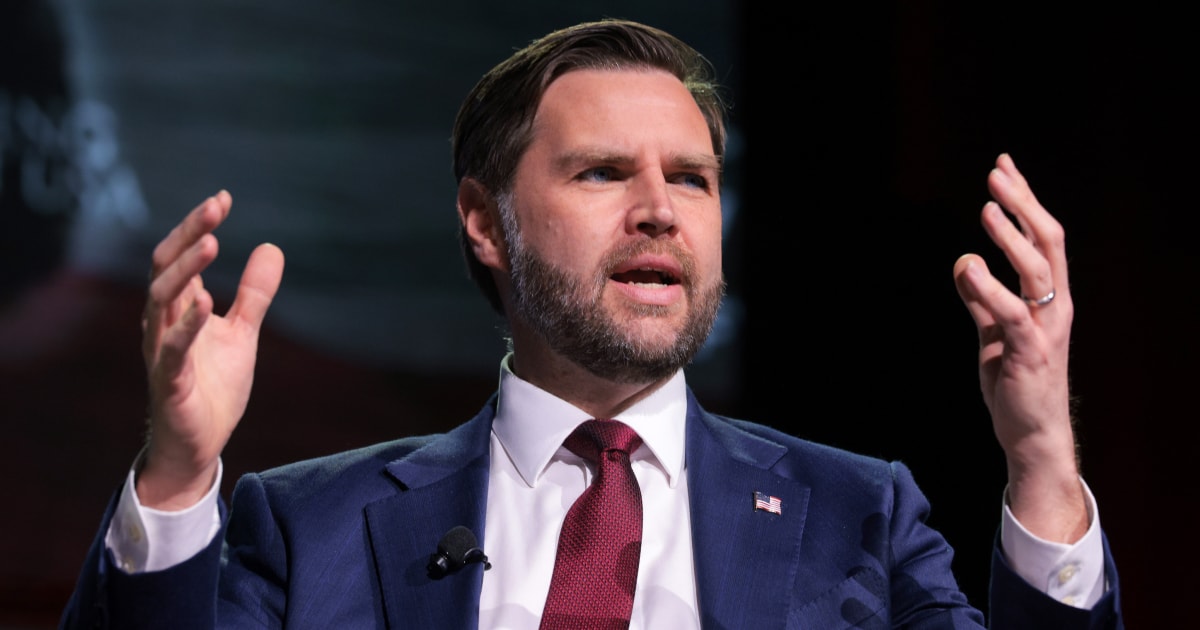
The recent outburst from Vice President JD Vance against Pope Leo XIV’s measured calls for peace in the disastrous war with Iran strikes is inopportune – for both sides. On the part of the politicians, this ill-advised outburst appears positively puerile and will likely backfire. Not only will the White House not win this ideational power struggle, it could further risk pushing Church authorities leftwards and alienating Catholic voters.

Here is a man who converted to the Catholic Faith as an adult, now lecturing the Successor of Peter on how to ‘be careful’ when he speaks of theology, as if the Vicar of Christ were some novice confusing the domains of altar and sword. Vance’s complaint is that the Pope should stick to matters of morality and leave the wielding of the sword to those who understand just war, but in the context of the Iran war and Israel’s invasion of Lebanon it lands more like a schoolboy throwing his toys from the pram the moment his father corrects him.
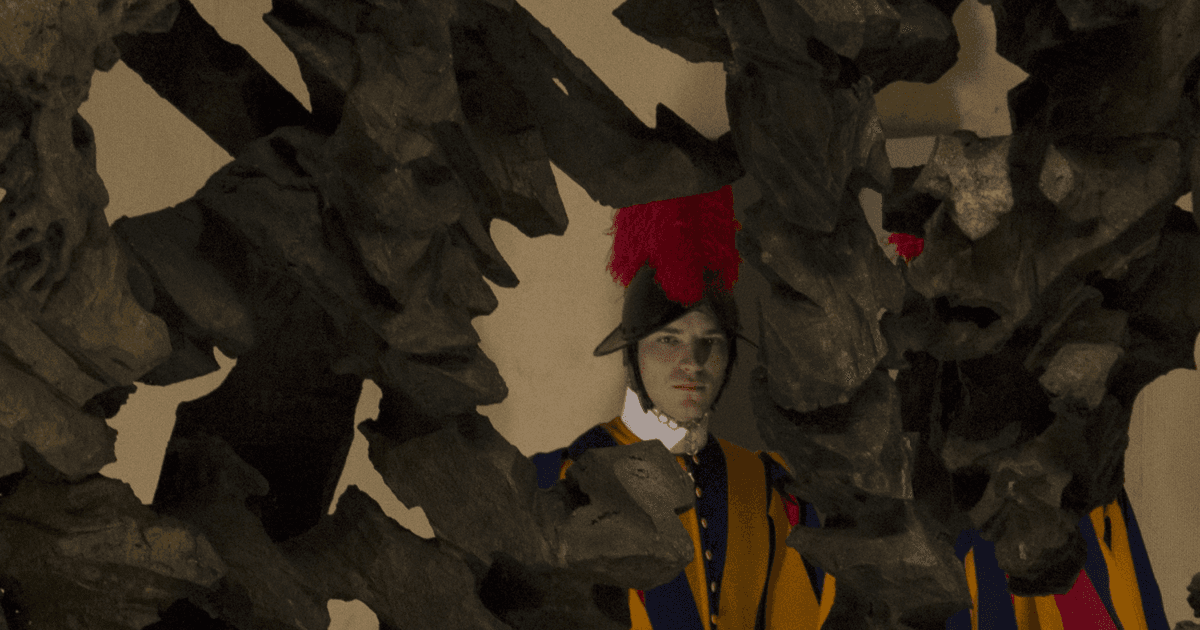
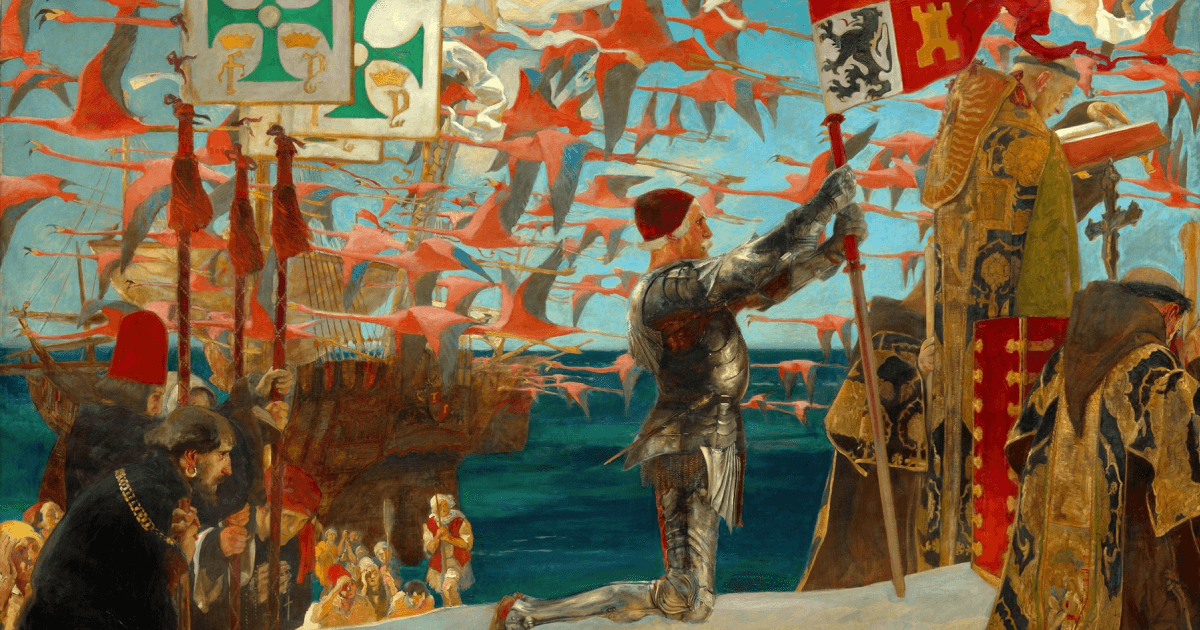
It is not even as if laymen and civil powers can never legitimately resist or rebuke papal or clerical overreach – they can. The Holy Roman Emperors did. And in some exceptional circumstances, they should. But when they do, one is tempted to counsel Vance to try not to do it when the Church actually has her feet firmly planted on the moral high ground, and to communicate with such little dignity.

We need to be clear about what the Pope has actually said. His pleas have been consistently reasonable, even moderate by any sane historical standard. Facing a conflict that has already sown destruction across the Middle East, with civilian suffering mounting and the risk of wider conflagration ever present, rising prices and an international crisis in the Strait of Hormuz as Iran shows no sign of collapse or willingness to yield, Leo XIV has simply reiterated what the Church has always taught. Namely that peace is the fruit of justice, not endless escalation; that weapons sow death even when wielded with righteous intent; and that God is not a tribal mascot to be invoked for whichever side drops the most bombs. He has quoted Scripture – Isaiah, no less – reminding the powerful that the Lord does not listen to the prayers of those whose hands are stained with the blood of the innocent while they prosecute war. He has urged diplomacy to regain its proper role, warned against the spiral of violence becoming an irreparable abyss and hoped aloud for an ‘off-ramp’ before hatred metastasises further. These are the sober, paternal admonitions of a shepherd who sees the human cost with clearer eyes than most politicians chained to their briefing books. Vance, Trump and their ilk make themselves look infantile by pretending they are the ravings of a pacifist ideologue.

None of this denies the legitimacy of just war doctrine – a tradition stretching back through Aquinas to Augustine and rooted in the natural law itself. The Pope has not condemned all use of force. He has simply refused to bless this particular adventure as some holy crusade, as has been the wont of war-hawk Zionist Christians in the GOP, especially when the fruits on the ground appear so bitter: strategic overreach, regional instability and a body count that frankly mocks easy slogans about liberation. For a Catholic vice president to respond by publicly questioning whether the Pope’s words are ‘anchored in the truth’, while waving the example of the Second World War as though it settled every modern conflict, is to reduce profound moral reasoning to gotcha rhetoric. It makes the administration look thin-skinned, even malicious, as though any voice urging restraint must be slapped down lest the faithful notice the emperor has no clothes. If the general public were undecided on the war, this overreaction will not make them any more favourable.

Worse, this spat exposes a deeper confusion about the proper relation between the spiritual and temporal orders – a confusion the Church has clarified repeatedly, not least in the magisterium of Pope Leo XIII. In Immortale Dei, that great pontiff reminded the world that society is composed of two distinct yet harmonious powers: the Church, which cares for the eternal destiny of souls, and the civil authority, which governs the temporal common good. They are distinct but collaborators under God, each ruling its sphere. Yet Leo XIII was no liberal separationist. He insisted that the two powers, though distinct, overlap naturally because man is not a disembodied spirit nor a mere economic animal. The Church possesses the right and duty to form consciences, to proclaim the moral law and to judge the acts of rulers when those acts touch upon justice, the sanctity of life or the peace of nations. ‘There must be a certain fitting and orderly connection,’ he wrote, ‘between the two powers,’ analogous to soul and body in the human person. The soul does not micromanage the body’s every motion, yet neither does the body dictate to the soul what is true or good.

Rerum Novarum and other social encyclicals of Leo XIII extend this principle into the concrete. The Church does not pretend to run foreign policy or draft military strategy; that belongs to the prudence of statesmen. But she cannot remain silent when policy veers into grave moral territory – when war risks becoming disproportionate, when hatred is stoked rather than restrained, when the weak are trampled under geopolitical ambition. Telling the Pope to ‘stick to theology’ as though theology had nothing to say about the shedding of blood, the application of justice or the pursuit of true peace is to resurrect the old Gallican or Erastian error: the notion that the Church is a purely interior affair, useful for private devotion but irrelevant when kings, or presidents, decide to march.

As Catholicism’s cultural momentum rises, it is hard to see this boding well for MAGA. Many Catholics who warmed to Trump’s second term did so not because they mistook him for a plaster saint, but because he promised realism against globalist folly, defence of the unborn and resistance to cultural dissolution. Petulant attacks on the Holy Father risk alienating precisely those faithful who still believe the Faith is not a lifestyle brand to be subordinated to partisan messaging. It hands ammunition to liberal Catholics who already portray orthodoxy as mere culture-war cosplay. It makes the right appear reactive and unserious on the very questions – life, family, ordered liberty under God – where it should lead. And it confirms the suspicion, already widespread in trad circles, that for some in the administration, Catholicism is a useful inheritance rather than a living authority to which even the powerful must bend the knee. MAGA and the Church ought to be allies. But it is not an alliance of equals.

The Church’s domain is indeed first and foremost moral and spiritual. She does not command a military any more. But precisely because her concern is the soul animating the body politic, she cannot be banished from the public square whenever her voice inconveniences the powerful. Pope Leo XIV’s calls for peace in this wretched Iranian conflict have been, on the whole, prudent, scripturally grounded and pastorally necessary. To meet them with schoolyard petulance does the administration no favours. It reveals a failure to grasp the ancient Catholic insight that true authority – whether papal or presidential – is exercised most nobly when it recognises its limits and honours the higher law from which all just power derives.

Americans could do worse than to reflect upon this. Fidelity to the Faith of our fathers supersedes electoral loyalty and requires the humility to accept correction, even – especially – when it comes from Rome.

Continue reading with a free account

Create a free account to read up to five articles each month
Create free account

You have # free articles remaining this month.

Subscribe to get unlimited access.
Sign up

subscribe to the catholic herald today

Our best content is exclusively available to our subscribers. Subscribe today and gain instant access to expert analysis, in-depth articles, and thought-provoking insights—anytime, anywhere. Don’t miss out on the conversations that matter most.
Subscribe