

The Dicastery for the Doctrine of the Faith has published a new document on the Anglican Ordinariate patrimony within the Catholic Church, signalling approval within Rome.
The text, formally titled Characteristics of the Anglican Heritage as Lived in the Ordinariates Established Under the Apostolic Constitution Anglicanorum Coetibus, comes after discussions held at the dicastery from March 1 to 3.
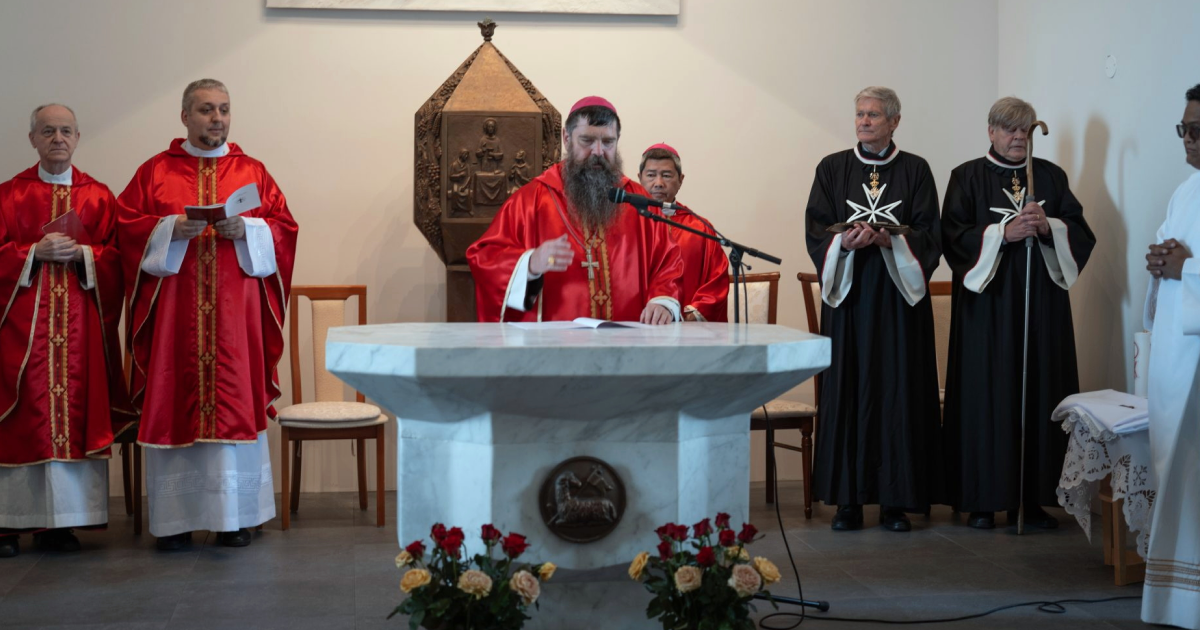
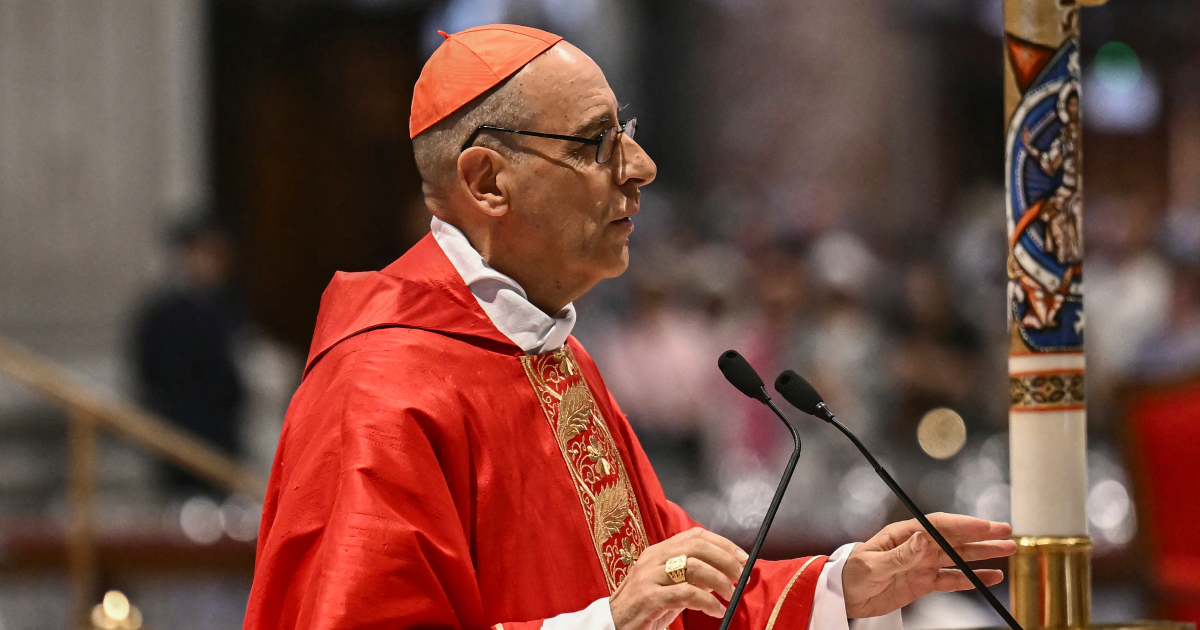
The immediate context is important. On March 2 the Pope received Bishop David Waller and Steven Joseph Lopes in audience, with Cardinal Fernández. That encounter followed a private plenary meeting of the Ordinariate bishops convened by Cardinal Victor Manuel Fernández, during which the bishops were asked to articulate how the Anglican patrimony is concretely lived within Catholic communion.
The resulting document is less a theoretical treatment than a synthesis of that lived experience. It states that, despite the wide geographical spread of the Ordinariates, “a core shared identity is indeed evident among Ordinariate communities wherever they are found”. That identity, it continues, is rooted in “a common path of following Christ that has led them into full communion with the Catholic Church”. Furthermore, it states that it is a “worthy patrimony of piety and usage” and reaffirms its status as “a precious gift […] and a treasure to be shared”.
What emerges most clearly is an attempt to situate the Ordinariates as a particular expression of a wider ecclesiological principle. The document explicitly draws on remarks made by Cardinal Fernández at Bishop Waller’s episcopal ordination, quoting his observation that “the existence of the Ordinariate […] reflects a profound and beautiful reality about the nature of the Church and the inculturation of the Gospel, as a rich English heritage”. It continues with a more developed claim: “For the Church is one, and the Gospel is one, but in the process of inculturation, the Gospel is expressed in a variety of cultures. In this way, the Church acquires a new face.” The implication is clear. The Ordinariates are being presented not simply as a pastoral provision for former Anglicans, but as a test case for how unity and diversity coexist within Catholicism.
This emphasis is sharpened further when the document states that, in the case of the Ordinariates, “the Catholic faith is inculturated among people who experienced the Gospel in the context of the Anglican Communion”. It adds, in a line that will likely be widely cited, that “as they entered into full communion with the Catholic Church, it was enriched”. Such language is consistent with the vision first set out in Anglicanorum Coetibus under Pope Benedict XVI, but its repetition now, and in this form, suggests a deliberate effort to reaffirm that vision at a time when questions about the identity and mission of the Ordinariates have periodically surfaced.
The substance of the document is organised around a series of characteristics identified by the bishops themselves. The first is described as a distinctive “ecclesial ethos”, marked by “the broad participation of both clergy and laity in the life and governance of the Church”. This is presented not as a departure from Catholic norms but as a particular expression of them, shaped by the experience of Anglican ecclesial life and now integrated into Catholic structures. The emphasis on consultation and collaboration is accompanied by a stress on continuity, with the text noting a “living sense of tradition that seeks to remain faithful to what has been received while also recognising the place of organic development”.
A second theme, and one that recurs throughout, is the role of beauty in evangelisation. The document states that beauty is valued “not as an end in itself, but insofar as it has the power to lead us to God”, adding that it therefore possesses “an inherent evangelising power”. This is applied directly to liturgy, music and art, which are described as both expressions of worship and instruments of mission. The language reflects a longstanding Anglo-Catholic sensibility, but its inclusion here signals that such sensibilities are being formally recognised as part of the Church’s missionary toolkit.
The bishops also highlight a commitment to direct outreach to the poor, linking it explicitly to an incarnational theology. The document notes that in the Ordinariates “beauty in worship and holiness of life are brought to bear in the concrete realities of the neighbourhood”, and connects this with the example of John Henry Newman, recalling that those who gathered at his funeral did so “not only on account of his scholarship, but also because he was the priest who served them in their need”. The point being made is that the patrimony is not confined to liturgical aesthetics but extends into pastoral practice.
Closely related is the description of a distinctive pastoral culture shaped by a liturgical rhythm that the bishops characterise as “almost monastic”. Central to this is the communal praying of the Divine Office, understood as “the prayer of the whole People of God”. The document suggests that this shared rhythm of prayer has practical consequences for parish life, influencing how communities are formed and sustained.
The family is given particular prominence. The bishops speak of the home as “the domestic church” and emphasise the role of parents as primary educators in the faith. The reference to Walsingham as “England’s Nazareth” is not incidental; it situates the Ordinariates within a specifically English spiritual geography while also drawing on the universal symbolism of Nazareth as “the school of the Gospel”. The underlying argument is that the transmission of the faith is inseparable from the life of the family, and that the Ordinariates have a particular contribution to make in this regard.
The document also identifies a strong tradition of preaching rooted in Scripture and informed by the Fathers of the Church. It states that “nourishing people intellectually is an integral part of nourishing their souls”, and links this again to the theme of beauty, arguing that the proclamation of the Word and the celebration of the liturgy are “two dimensions of the same encounter”. This integration of intellectual and liturgical life is presented as another hallmark of the patrimony.
Finally, there is an emphasis on spiritual direction and the Sacrament of Penance, with the bishops describing an approach that prioritises “giving each person time and accompanying them as they encounter Christ the Good Shepherd”. Here again the stress is on personal pastoral care rather than structural distinctiveness.
Taken together, these elements are framed within a broader theological claim. The document concludes that “one sees how central the mystery of the Incarnation is to the patrimony preserved in the Ordinariates”, linking themes such as dignity, beauty, liturgy and concern for the poor to that single source. It adds that this patrimony “is a living reality, which looks to the future in the transmission of the faith to future generations”.
In a statement to the Catholic Herald, Bishop David Waller said: “This document emerges from a meeting of the Ordinariate bishops with the superiors of the Dicastery for the Doctrine of the Faith. The superiors gave considerable time to listening to reports of the life of the Ordinariates in their specific local contexts and, in particular, the distinctive elements of the Anglican patrimony and how these contribute to the transmission of the Faith. The document is the initiative of Cardinal Victor Manuel Fernández and a clear indication of the Holy See’s understanding of and commitment to the ongoing witness of the Ordinariates as particular Churches within the Catholic Church.”