

The future of the German synodal conference hangs in the balance, with debate emerging on when the Vatican will approve the statutes for the body it has long opposed.
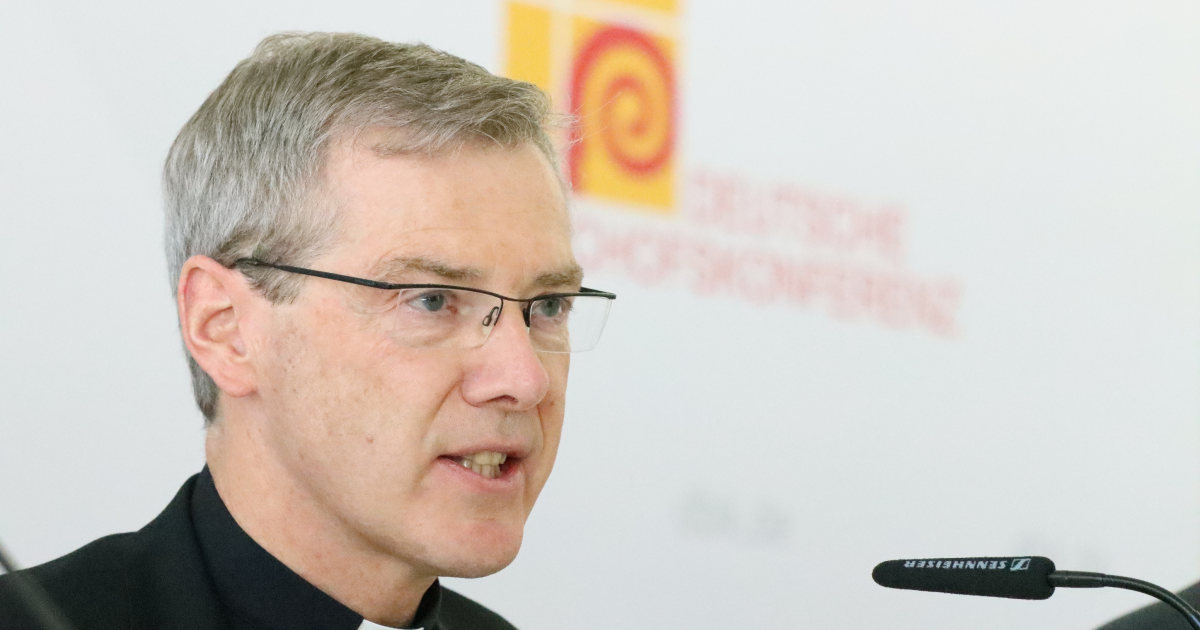
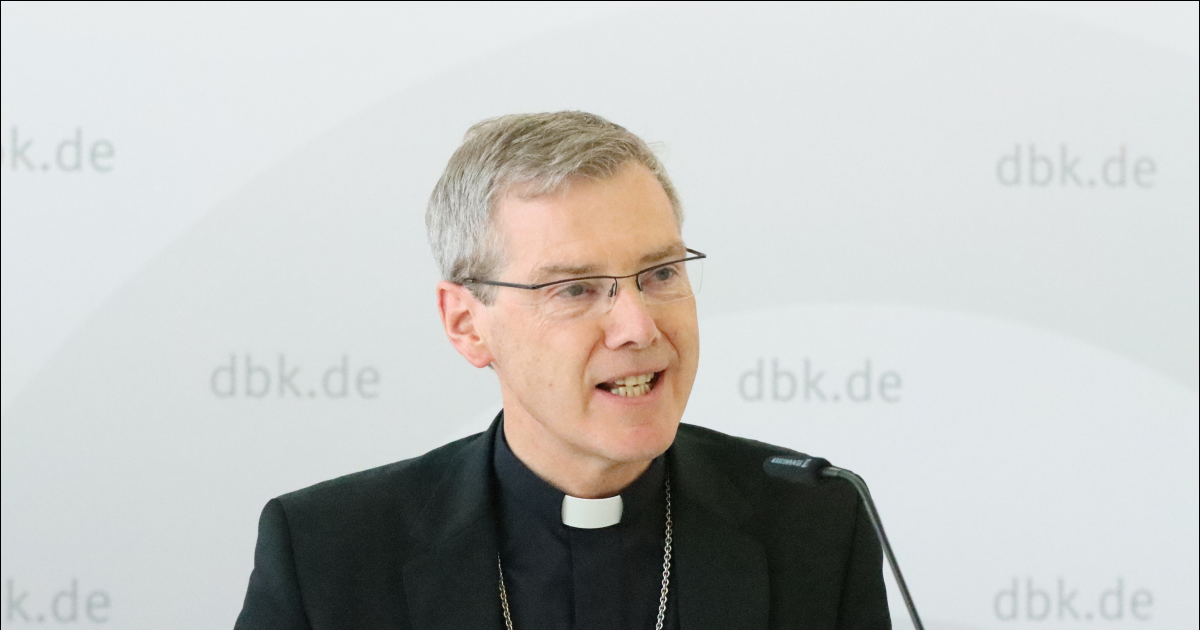
On March 31, Bishop Heiner Wilmer submitted the statutes of the German bishops’ proposed “Synodal Conference” to the Holy See. They had been approved by a vote of the German Bishops’ Conference (DBK) some weeks prior, with Wilmer now leading the DBK as chairman and thus serving as champion of its cause in Rome.
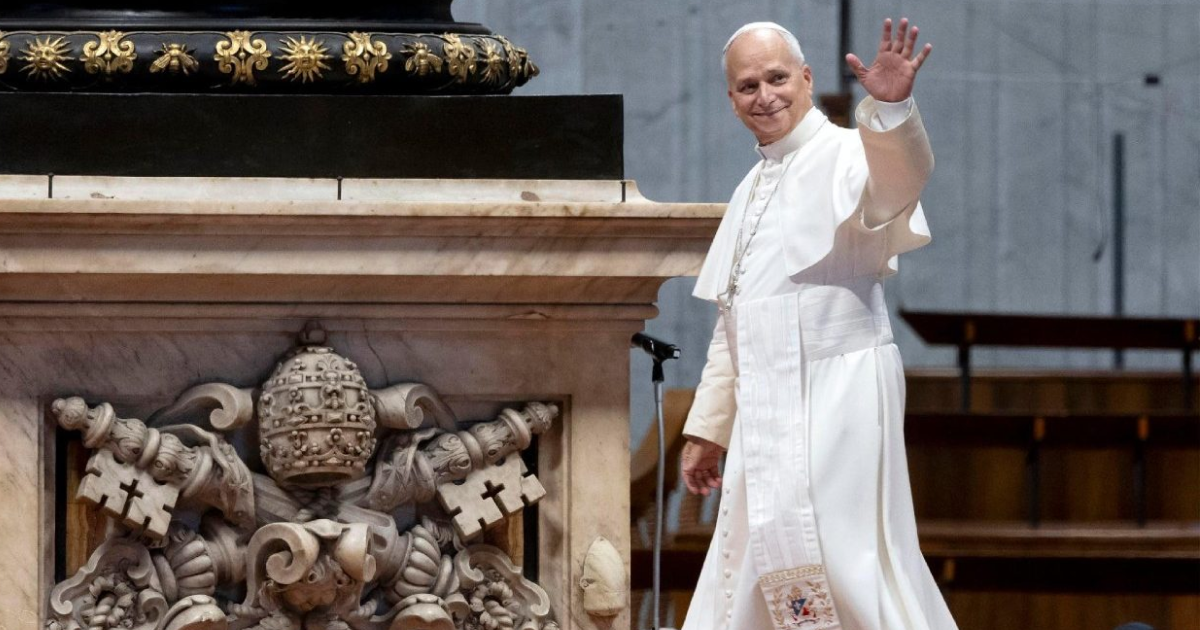
The future of the Synodal Conference will determine the trajectory of much of Leo XIV’s pontificate since it will reveal to both friends and enemies what force he is prepared to enact. Should the Conference be approved in the manner the DBK desires, then the Vatican risks surrendering its authority and granting the German episcopate free reign to do as they please in the future. Furthermore, it will demonstrate to others that persistence will eventually yield rewards, regardless of Vatican opposition.
Controversy has been central to the Synodal Conference’s existence from the very beginning. Initially termed the Synodal Council, its aims were to implement the nation’s highly controversial Synodal Way with members being both lay and clerical. It would thus implement lay governance on the Church and equate laity with the ordained hierarchy in this manner.
The Conference would comprise 27 bishops, 27 members of the heterodox Central Committee of German Catholics and another 27 members drawn from the Church in Germany.
The Holy See’s stance has been clear, firm and consistent – at least in wording. Back in January 2023, a joint inter-dicasterial letter expressed the Vatican’s condemnation of the Conference. The letter warned the proposed Conference would “form a new governance structure of the Church in Germany” which “seems to place itself above the authority of the German Bishops’ Conference and, in effect, to replace it.”
It further re-emphasised the Church’s link between episcopal orders and ecclesial governance: “Episcopal ordination, together with the office of sanctification, also confers the offices of teaching and governance, which, however, by their nature can be exercised only in hierarchical communion with the head and members of the college.” Being approved by Pope Francis “in forma specifica”, the letter was signed by Cardinals Pietro Parolin, Vatican Secretary of State; Luis Ladaria Ferrer, then-prefect of the Dicastery for the Doctrine of the Faith (DDF); and Marc Ouellet, then prefect of the Dicastery for Bishops.
But in very classic manner for the DBK, this letter seemed to have no discernible effect upon their plans or ambitions. Preparations continued, and the Vatican thus entered into a series of meetings with leaders of the DBK and the Synodal Way. Already, by entertaining the DBK in this manner, the Vatican surrendered some its position.
Bishop Wilmer is an active supporter of the Synodal Way and his election as DBK chairman earlier this year continues the relationship of resistance to Rome which underpinned his predecessor’s term of office.
After having submitted the Synodal Conference’s statutes in March, Wilmer and the DBK are now watching and waiting. Here is where the politics comes to the fore as advocates of the Conference give varying predictions as to when, not if, the Vatican will approve the statutes.
The first planned meeting of the new Conference was due to take place in November, but it has been postponed with no alternative date yet given. This is due to the Vatican not having pronounced on the proposed statutes.
When news of this broke at the end of August, some critics of the Synodal Conference suggested it signalled the death of the project. But many supporters remained firm in their opinion that the Vatican would green-light the plan – including Wilmer.
“I know from those in charge there [Rome] that it will take some more time,” he stated on August 21. “I am confident that we will make progress there.”
Others have commented in similar manner, predicting the Vatican’s approval of the statutes is a given, sooner or later in the calendar year. Theologian Jan-Heiner Tück – who previously predicted the Conference would imitate Protestantism – opined this week that Rome would likely approve the statutes after making some amendments.
Meanwhile Bishop Stefan Oster, who is one of the few German episcopal opponents of the Conference, predicts an answer on the statutes will not arrive until spring next year.
In all these predictions the underlying aspect is that the Vatican is giving serious consideration to the statutes, despite having written most clearly a few years ago that any such conference could not exist. The leeway granted to the Church in Germany has baffled many and this adds yet another element to the already confusing puzzle. Why is the Vatican even considering the statutes after having firmly prohibited the formation of such a body in 2023?
According to Cardinal Gerhard Müller, it is not just the Vatican’s authority that is at stake but the Church’s very identity. In a detailed interview with this correspondent in March 2024, the former DDF prefect warned that “the Synodal Committee contradicts absolutely the sacramental constitution of the Catholic Church, [with a] form of Protestant ideas or more Anglican ideas where the Church is governed by the king or directly by a committee of bishops, priests and lay people.”
Müller called on the Roman Curia to be firm in its dealings with the DBK and the Synodal Way representatives. The Holy See must do more than simply “manage the symptoms” of the Synodal Way: it must “go back to the real wounds of this illness, because this is a theological illness, misunderstanding of what is a Church and we cannot make a compromise between the truth and error. It is not possible.”
Bishop Wilmer is strangely confident that the Synodal Conference’s statutes will be approved, despite the Vatican’s firm opposition. Perhaps this is because he has figured out the Vatican’s “German policy” in recent years, which appears to consist of firm words but little to no actual action.
This has been demonstrated by the recent Vatican prohibition of lay preaching in June, denying the DBK’s request for an indult for the practice. The Vatican’s letter was firm, but no action has been taken against highly publicised instances of lay preaching in the weeks that followed.
As Germany’s influence grows, it becomes harder to argue against the claim that the Holy See is all talk and no trousers apart from when it comes to banning traditional Masses from appearing in parish newsletters.
Michael Haynes is an English journalist in the Holy See Press Corps. He serves as Vatican Correspondent for the Catholic Herald, while readers can follow him at Per Mariam and on X @MLJHaynes.