January 12, 2026
January 12, 2026

What a papal trip to Spain might accomplish

Min read
share

Cardinal José Cobo has said it is “likely” that Pope Leo XIV will visit Spain this year, with Madrid and Barcelona emerging as the principal destinations.

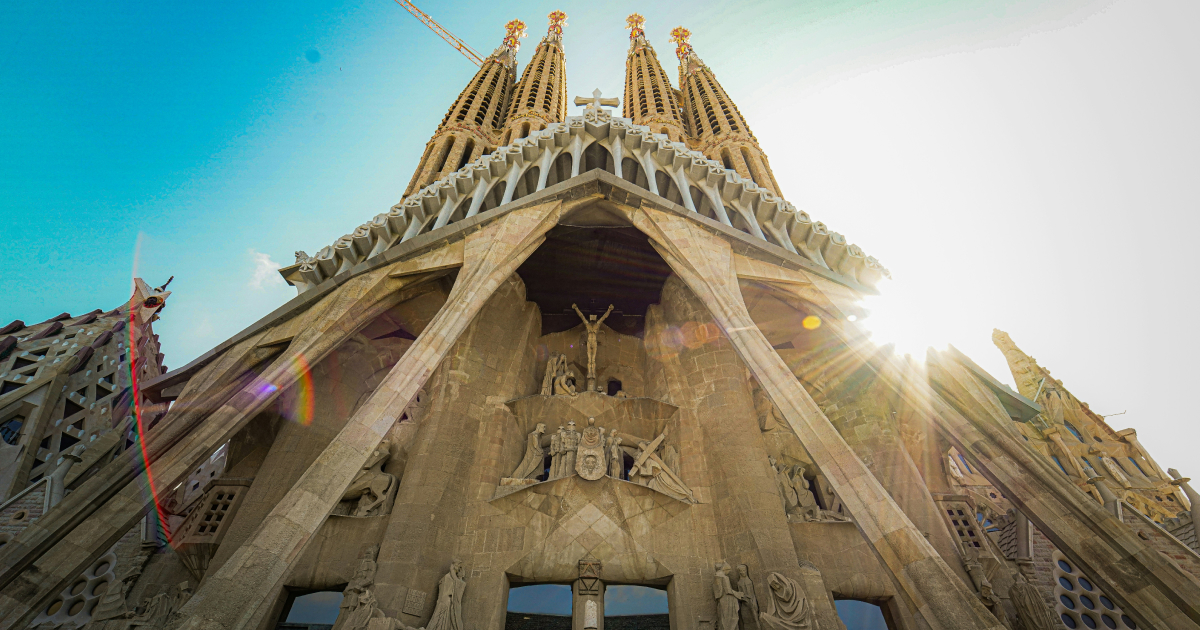
Speaking to Cadena COPE, the Spanish bishops’ radio station, the Archbishop of Madrid encouraged Catholics to prepare for a possible visit linked to the centenary of the death of Antoni Gaudí on 10 June. The architect is most notably known for his design of the Sagrada Família, Barcelona’s iconic, unfinished basilica. Asked whether the Pope would be present in Barcelona on that date, Cardinal Cobo said: “That’s what’s on the table; it’s likely the Pope will come to Spain. And it’s very likely he’ll come to Madrid. The when and how still need to be finalised. We can start getting things moving.”

The comments follow a private audience in October between Pope Leo XIV and the President of Catalonia, Salvador Illa, during which the pontiff was invited to visit Barcelona. According to reports, the Pope told Illa that he was “eager” to come to the city, while stopping short of confirming his attendance.

A papal visit would coincide with major events connected to Gaudí’s legacy, including the planned inauguration of the central Tower of Jesus Christ at the Sagrada Família. Although the basilica remains under construction, it became the tallest church in the world on 30 October, reaching a height of 162.91 metres, and is expected to reach its final height of 172 metres when the tower is completed.

Gaudí’s cause for canonisation received a significant boost in April last year when the late Pope Francis recognised his “heroic virtues” and declared him Venerable. The cause was formally opened by the Vatican in 2003.

Cardinal Cobo also used the interview to address controversy surrounding the Valley of Cuelgamuros, formerly known as the Valley of the Fallen. The controversy first came about following 2023 negotiations between the Spanish government and the Catholic hierarchy over the future interpretation of the Franco era monument. Responding to criticism that the Church had been overly accommodating, the cardinal said: “Everything has been interpreted ideologically and taken out of context.” He added that some media outlets, or “pseudo media outlets”, used bishops or the Pope regardless of circumstances, and that this had led to “slander and attacks on honour”.

The Archbishop of Madrid said that certain outlets “live off Catholicism without being Catholic” and stressed that the Church had established clear safeguards during negotiations. These included guarantees that the monks would remain at the site, that worship would be protected, that the basilica would retain independent access, and that religious symbols inside and outside the monument would be respected. He said the process had now entered “another phase”, explaining: “This is a phase where the monks and the Holy See play a leading role in refining the project.”

This would be the first papal visit to Spain as a country since 2010 (though Benedict XVI did also visit Madrid in 2011 for World Youth Day). What makes a possible visit by Pope Leo XIV different, however, is not a question of itinerary, but whether contemporary Spanish Catholicism still possesses the cultural and spiritual hunger to be reawakened by a moment of this scale. Spain remains one of Europe’s most historically Catholic nations, yet, like many countries since the 1960s, sacramental practice has declined sharply even as Catholic identity endures.

Setting aside nostalgia for a “Trad and Based” Spain, Spanish Catholicism has undergone a clear transformation since the twentieth century. A papal visit now would test not nostalgia for a confessional state, but the Church’s capacity to speak credibly to a plural and internally divided Spain.

Cardinal José Cobo’s suggestion that a visit by Pope Leo XIV is “likely” this year, potentially centred on Barcelona for the centenary of Antoni Gaudí’s death, has pleased practising and non practising Catholics alike, particularly as the proposed date of 10 June would coincide with celebrations at the Sagrada Família and the planned inauguration of its central Tower of Jesus Christ. It would fit with previous papal visits to Spain, including Pope Benedict XVI’s consecration of the Sagrada Família in 2010. The basilica itself is shaped by Gaudí’s Eucharistic vision, and Gaudí’s recent recognition as Venerable by Pope Francis has strengthened the link between Spanish culture and sanctity.

Yet the Spain Pope Leo would visit is not the Spain of Habsburg piety, nor even the Spain of Franco’s national Catholicism. Since the Second Vatican Council, the Spanish Church has steadily distanced itself from political confessionalism, particularly during the later years of the Franco regime, when bishops increasingly challenged the state’s claims over ecclesial life. That settlement has now collapsed entirely. Spain is no longer a confessional state or a confessional Catholic monarchy, but a democracy marked by deep political and cultural fragmentation.

This is why a papal visit would be symbolically important but pastorally uncertain. Church attendance has declined significantly over recent decades, yet surveys consistently show that a large proportion of Spaniards still identify as Catholic. The question is whether this residual identity can be converted into renewed practice. If Benedict XVI, despite strong favourability among Spaniards and the consecration of the Sagrada Família, could not reverse the trend, it is reasonable to ask how Pope Leo XIV might do so.

The answer may lie in Pope Leo XIV’s tone. Spanish Catholicism today is not monolithic. Regional traditions, from northern Carlist communities to urban Catalan Catholicism, coexist uneasily. Political tensions have further strained relationships between the episcopacy and conservative movements, particularly over immigration, where parties such as Vox have clashed repeatedly with bishops. A papal visit that foregrounds unity and charity without ideology could speak to the many, not the few.

The Church seeks to remain visibly Catholic while refusing to be co-opted by partisan projects. That stance, while imperfect, may shape the reception of Pope Leo’s message. A papal visit to Spain would not be a return to a golden age, but a test of whether Spanish Catholicism can rediscover itself.
Cardinal José Cobo has said it is “likely” that Pope Leo XIV will visit Spain this year, with Madrid and Barcelona emerging as the principal destinations.

Speaking to Cadena COPE, the Spanish bishops’ radio station, the Archbishop of Madrid encouraged Catholics to prepare for a possible visit linked to the centenary of the death of Antoni Gaudí on 10 June. The architect is most notably known for his design of the Sagrada Família, Barcelona’s iconic, unfinished basilica. Asked whether the Pope would be present in Barcelona on that date, Cardinal Cobo said: “That’s what’s on the table; it’s likely the Pope will come to Spain. And it’s very likely he’ll come to Madrid. The when and how still need to be finalised. We can start getting things moving.”

The comments follow a private audience in October between Pope Leo XIV and the President of Catalonia, Salvador Illa, during which the pontiff was invited to visit Barcelona. According to reports, the Pope told Illa that he was “eager” to come to the city, while stopping short of confirming his attendance.

A papal visit would coincide with major events connected to Gaudí’s legacy, including the planned inauguration of the central Tower of Jesus Christ at the Sagrada Família. Although the basilica remains under construction, it became the tallest church in the world on 30 October, reaching a height of 162.91 metres, and is expected to reach its final height of 172 metres when the tower is completed.

Gaudí’s cause for canonisation received a significant boost in April last year when the late Pope Francis recognised his “heroic virtues” and declared him Venerable. The cause was formally opened by the Vatican in 2003.

Cardinal Cobo also used the interview to address controversy surrounding the Valley of Cuelgamuros, formerly known as the Valley of the Fallen. The controversy first came about following 2023 negotiations between the Spanish government and the Catholic hierarchy over the future interpretation of the Franco era monument. Responding to criticism that the Church had been overly accommodating, the cardinal said: “Everything has been interpreted ideologically and taken out of context.” He added that some media outlets, or “pseudo media outlets”, used bishops or the Pope regardless of circumstances, and that this had led to “slander and attacks on honour”.

The Archbishop of Madrid said that certain outlets “live off Catholicism without being Catholic” and stressed that the Church had established clear safeguards during negotiations. These included guarantees that the monks would remain at the site, that worship would be protected, that the basilica would retain independent access, and that religious symbols inside and outside the monument would be respected. He said the process had now entered “another phase”, explaining: “This is a phase where the monks and the Holy See play a leading role in refining the project.”

This would be the first papal visit to Spain as a country since 2010 (though Benedict XVI did also visit Madrid in 2011 for World Youth Day). What makes a possible visit by Pope Leo XIV different, however, is not a question of itinerary, but whether contemporary Spanish Catholicism still possesses the cultural and spiritual hunger to be reawakened by a moment of this scale. Spain remains one of Europe’s most historically Catholic nations, yet, like many countries since the 1960s, sacramental practice has declined sharply even as Catholic identity endures.

Setting aside nostalgia for a “Trad and Based” Spain, Spanish Catholicism has undergone a clear transformation since the twentieth century. A papal visit now would test not nostalgia for a confessional state, but the Church’s capacity to speak credibly to a plural and internally divided Spain.

Cardinal José Cobo’s suggestion that a visit by Pope Leo XIV is “likely” this year, potentially centred on Barcelona for the centenary of Antoni Gaudí’s death, has pleased practising and non practising Catholics alike, particularly as the proposed date of 10 June would coincide with celebrations at the Sagrada Família and the planned inauguration of its central Tower of Jesus Christ. It would fit with previous papal visits to Spain, including Pope Benedict XVI’s consecration of the Sagrada Família in 2010. The basilica itself is shaped by Gaudí’s Eucharistic vision, and Gaudí’s recent recognition as Venerable by Pope Francis has strengthened the link between Spanish culture and sanctity.

Yet the Spain Pope Leo would visit is not the Spain of Habsburg piety, nor even the Spain of Franco’s national Catholicism. Since the Second Vatican Council, the Spanish Church has steadily distanced itself from political confessionalism, particularly during the later years of the Franco regime, when bishops increasingly challenged the state’s claims over ecclesial life. That settlement has now collapsed entirely. Spain is no longer a confessional state or a confessional Catholic monarchy, but a democracy marked by deep political and cultural fragmentation.

This is why a papal visit would be symbolically important but pastorally uncertain. Church attendance has declined significantly over recent decades, yet surveys consistently show that a large proportion of Spaniards still identify as Catholic. The question is whether this residual identity can be converted into renewed practice. If Benedict XVI, despite strong favourability among Spaniards and the consecration of the Sagrada Família, could not reverse the trend, it is reasonable to ask how Pope Leo XIV might do so.

The answer may lie in Pope Leo XIV’s tone. Spanish Catholicism today is not monolithic. Regional traditions, from northern Carlist communities to urban Catalan Catholicism, coexist uneasily. Political tensions have further strained relationships between the episcopacy and conservative movements, particularly over immigration, where parties such as Vox have clashed repeatedly with bishops. A papal visit that foregrounds unity and charity without ideology could speak to the many, not the few.

The Church seeks to remain visibly Catholic while refusing to be co-opted by partisan projects. That stance, while imperfect, may shape the reception of Pope Leo’s message. A papal visit to Spain would not be a return to a golden age, but a test of whether Spanish Catholicism can rediscover itself.
share

subscribe to the catholic herald today

Our best content is exclusively available to our subscribers. Subscribe today and gain instant access to expert analysis, in-depth articles, and thought-provoking insights—anytime, anywhere. Don’t miss out on the conversations that matter most.
Subscribe