
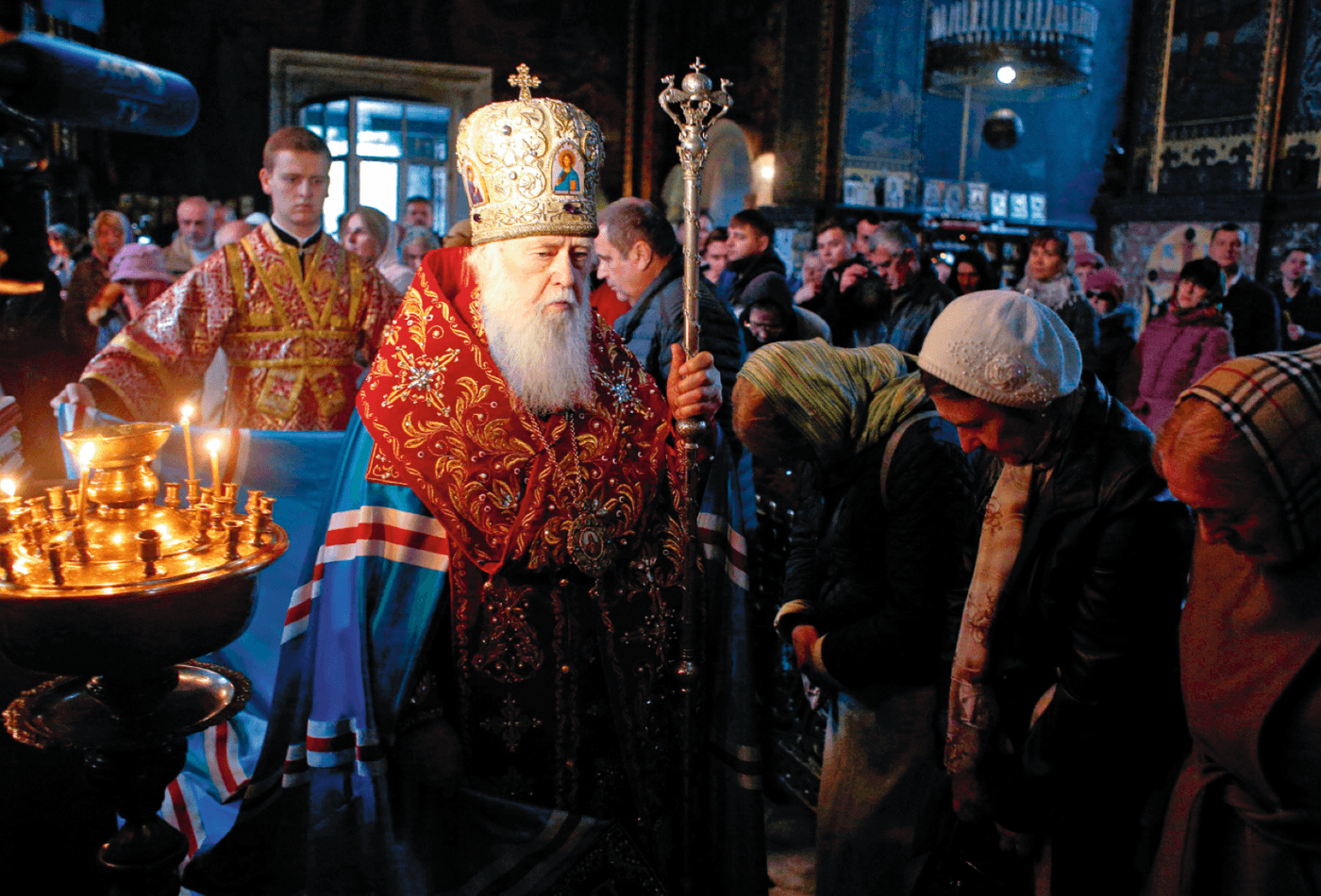
Urgent restoration work is under way at St Sophia Cathedral in Kiev. With its stunning 11th-century frescoes and mosaics, it is here that the emissaries of the Ecumenical Patriarchate are expected to officially promulgate the tomos – a decree by the Ecumenical Patriarch, Bartholomew I, that will grant autocephaly to the Ukrainian Orthodox Church. The cathedral (which was turned into a museum during communism) is then expected to revert to its normal use, becoming the spiritual centre of the newly independent national church of Ukraine. This will become one of the defining moments in the country’s struggle for a new national identity after Russia annexed the Crimea and launched what is now called a “hybrid invasion” of eastern Ukraine in 2014. This historical chapter started in 1688. It was then that the See of Constantinople – which was founded in the 4th century and is considered to be first among equals in the Orthodox world – granted the patriarchs of Moscow the right to appoint bishops in what is now Ukraine. That era is coming to an end. The decision has already shaken the Orthodox world in an unprecedented way. It is not often that a new national church appears on the global map. And when it claims jurisdiction over a country of 40 million people engaged in a life-or-death struggle with one of the world’s nuclear superpowers, the event acquires an additional – and not entirely welcome – political significance. In October, the Holy Synod of the Ecumenical Patriarchate in Istanbul – commonly referred to as the Constantinople Patriarchate, or Fener (by the name of the city district where the patriarchate is located) – approved Ukrainian autocephaly. It claimed that back in the 17th century the right to consecrate bishops was only delegated but not transferred forever to Moscow. This is a contentious claim that the Russian Orthodox Church and its patriarch Kirill vehemently deny. Constantinople also established full communion with Filaret, the head of the self-proclaimed Kiev Patriarchate of the Ukrainian Orthodox Church, and his bishops and clerics. The reason for lifting the excommunication was the need to recognise as legal all the consecrations of bishops and priests, performed by Filaret over the past 20-plus years. A former metropolitan of the Soviet-era Russian Orthodox Church and a candidate in the 1990 election of its patriarch, Filaret (whose secular name is Mykhailo Denysenko) broke with Moscow in the early 1990s to create the Kiev Patriarchate. Until the decision by Patriarch Bartholomew, the Kiev Patriarchate was not recognised by any of the world’s 15 autocephalous Orthodox churches. Over the years, Filaret increased his following and became a fixture in the Ukrainian social and political life. His hallmarks are staunch Ukrainian nationalism and robust (to put it mildly) anti-Russian rhetoric. The Kiev Patriarchate earned admiration of the people when in early 2014 its priests and monks opened their churches and monasteries as sanctuaries for protesters who fought – and won – against the corrupt pro-Putin president Viktor Yanukovych. Now Filaret has a fair shot at becoming the first head of the independent national church in his homeland. He has the full support of Ukraine’s president, Petro Poroshenko, who personally lobbied the Ecumenical Patriarchate to grant his country autocephaly. For Poroshenko, who faces re-election in 2019, this is one of the numerous ways of burnishing his patriotic credentials amid the ongoing war with Vladimir Putin’s Russia and palpable dissatisfaction with his economic policies and management style. The Russian Church, which until now claimed with some justification to be the largest Orthodox Church in the world, is predictably furious at the decision by Constantinople. Up to this point, it has remained numerically the dominant church in Ukraine – and the only one officially recognised by sister churches. Its influence is especially strong in the predominantly Russian-speaking eastern and central regions of the country. In the wake of Patriarch Bartholomew’s Ukrainian autocephaly announcement, the Russians broke off all relations with the Ecumenical Patriarchate. Patriarch Kirill has forbidden his clerics to concelebrate with those of Constantinople. The current, semi-official Moscow line is that Patriarch Bartholomew has broken every imaginable canonical rule in a naked power grab that aims at making the Fener a kind of “Orthodox Vatican”. Moscow also argues that the Ukrainian Orthodox Church is already independent. Though its Patriarch sits in Moscow, it is able to select its own bishops. Vladimir Legoyda, the official spokesman for the Russian Orthodox Church, told the Catholic Herald: “We call on the other sister churches to comment on this state of affairs, get together in any format and discuss this difficult situation which, in our view, touches the whole Orthodox world.” He insisted that for Moscow it is not a matter of prestige or power politics: “Those who suffer are ordinary believers, especially those who remain in schism with the canonical structures , as well as those who stayed with the only legal church in Ukraine. They find themselves under increasing political pressure from the Ukrainian authorities. For them, witness time is coming.”
2:30 PM
Where next for Ukraine's new Orthodox Church?
urgent restoration work is under way at st sophia cathedral in kiev. with its stunning 11th-century frescoes and mosaics, it is here that th...
Konstantin von Eggert

8 min read



Already a subscriber? Sign in
5freearticles every month
Continue reading with a free account. No card needed.
- Five free articles every thirty days, on any device you sign in on
- The Catholic Herald newsletter, every morning
- Subscribe whenever you like for everything: every article and the magazine
Related articles
 Newsroom
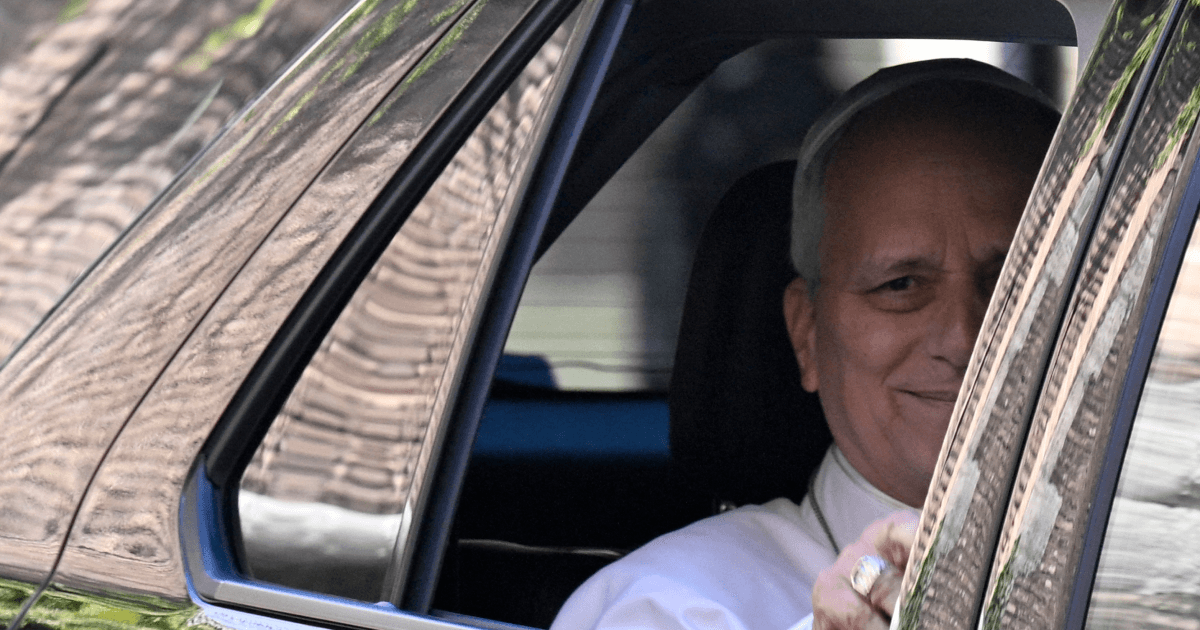
Archbishop Moth calls on Catholics to pray for Pope Leo after cancer diagnosis
The Archbishop of Westminster has asked Catholics in England and Wales to pray for the Pope’s recovery after doctors confirmed a diagnosis of lung cancer
Corrie Douglas-Young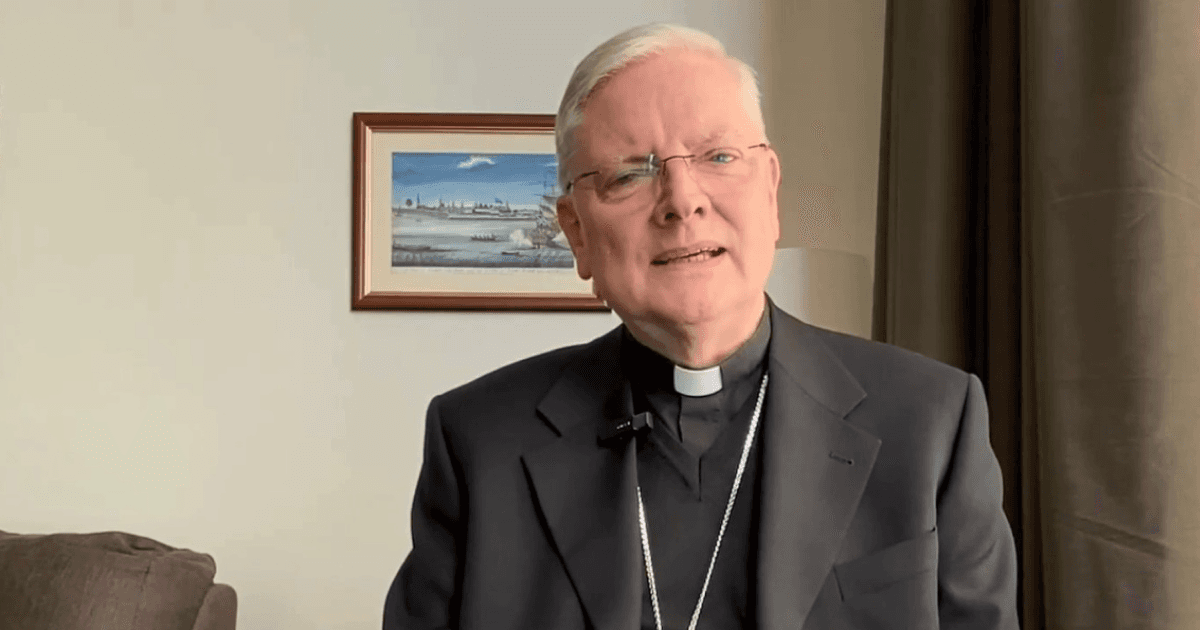 Newsroom
Archbishop Cushley calls for missionary spirit ahead of 100th World Mission Sunday
Corrie Douglas-Young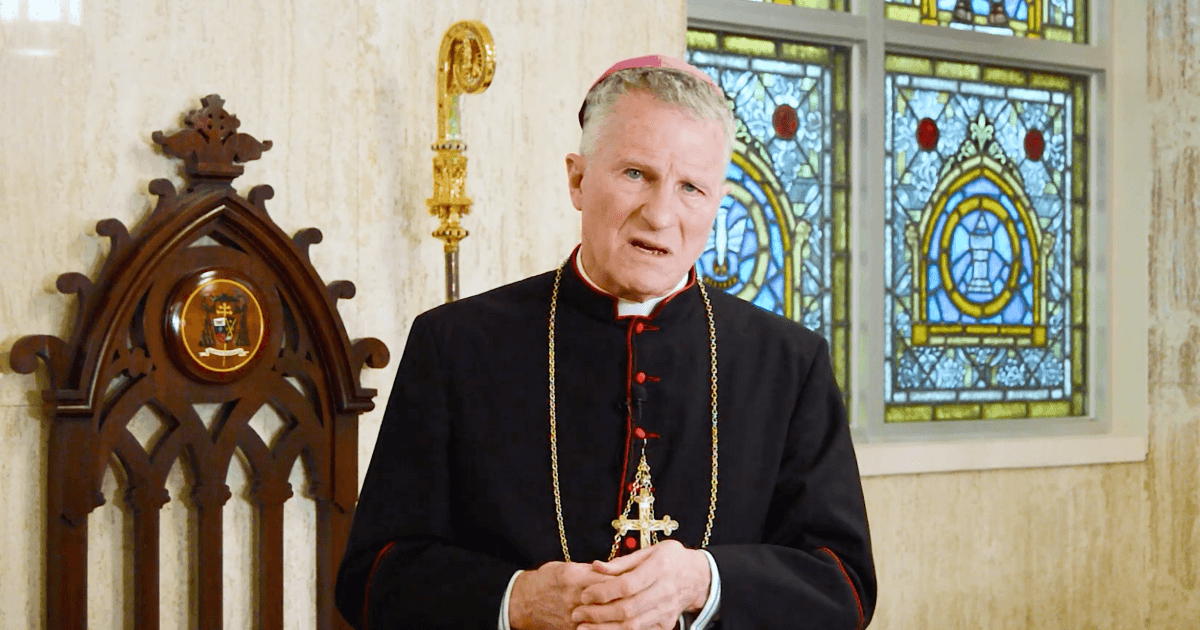 Newsroom
Archbishop Broglio urges Catholics to refuse participation in planned execution
Christine Rousselle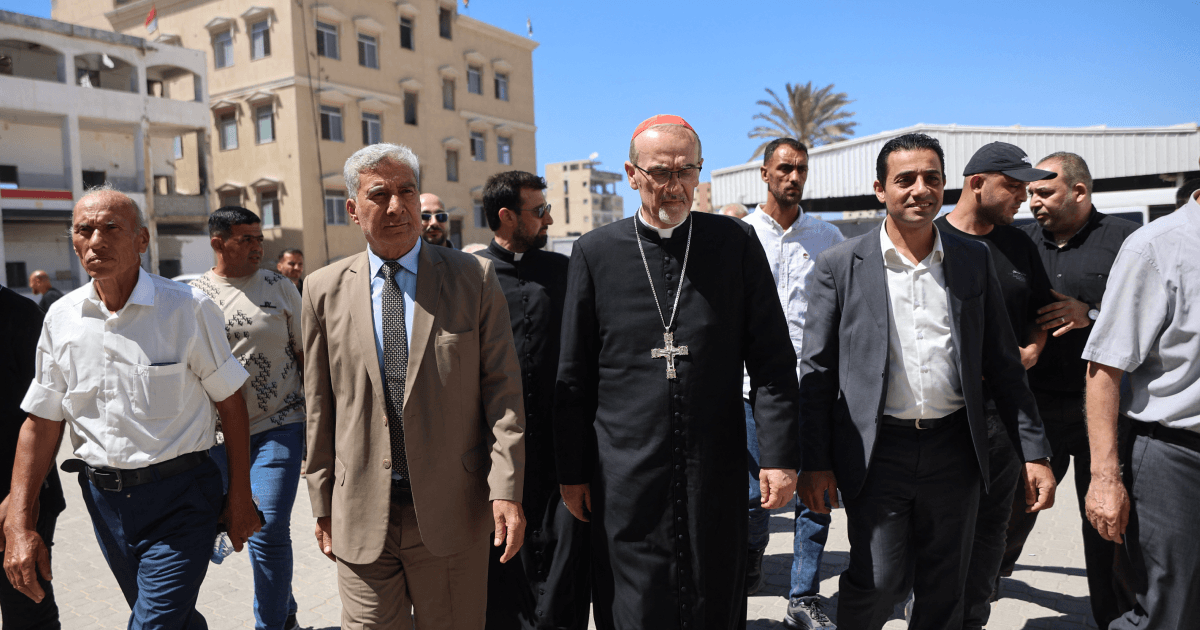 Newsroom
Cardinal Pizzaballa warns of deepening crisis across the Holy Land
Corrie Douglas-Young Newsroom
Panama’s Church opens donation centres after earthquake
Corrie Douglas-Young
subscribe to the catholic herald today
Our best content is exclusively available to our subscribers. Subscribe today and gain instant access to expert analysis, in-depth articles, and thought-provoking insights—anytime, anywhere. Don’t miss out on the conversations that matter most.
Subscribe



