February 11, 2026

Convert Stories: Charles Moore joins the universal Church and finds his politics challenged

FromtheArchives
More
Related
Min read
share

The Catholic Herald's extraordinary archives include many convert stories, which we will feature from time to time. Interviewed in 1998, when he was edited The Daily Telegraph, the Tory journalist Charles Moore describes entering the Church when one's family doesn't like it, his support for Vatican II, and his thoughts on England and Catholicism.

The full interview can be read here. It appeared in the 23 January 1998 issue.

When we meet, Charles Moore fast makes plain he was converted to the universal claims of the Catholic Church: "I quite like English Catholicism, but that's not what I'm particularly interested in. I'm interested in what the word Catholic means: universal. Essentially when you go to Mass you really feel you are equal before God. The impression one gets is that it is for everybody, quite regardless absolutely regardless of their background, sex, class, age and race."
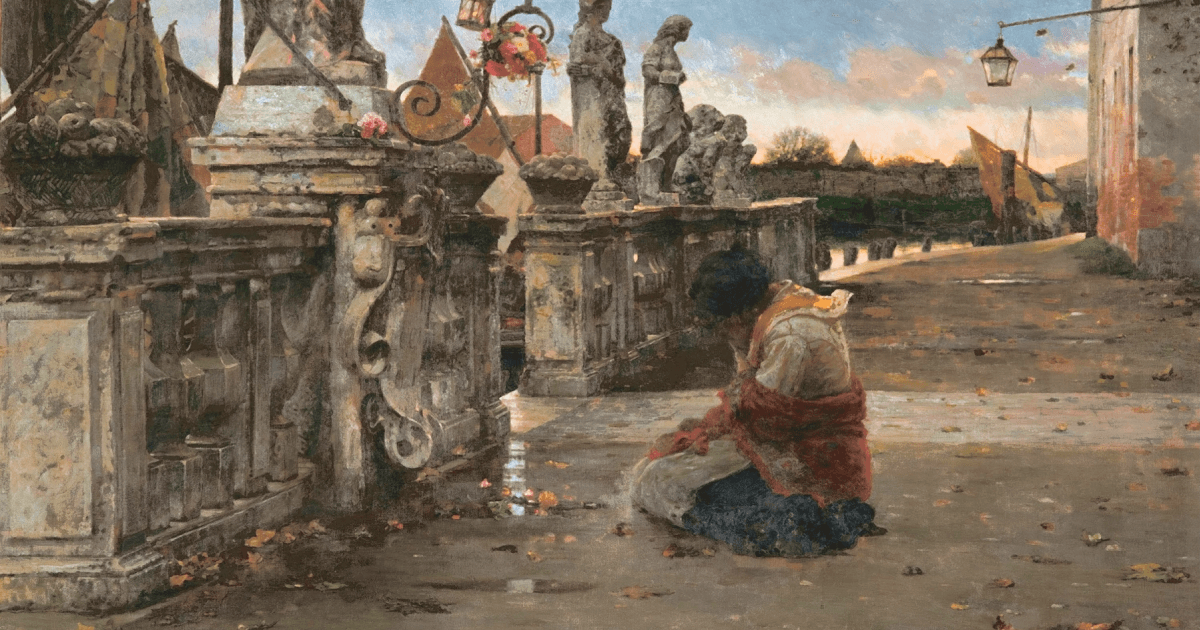
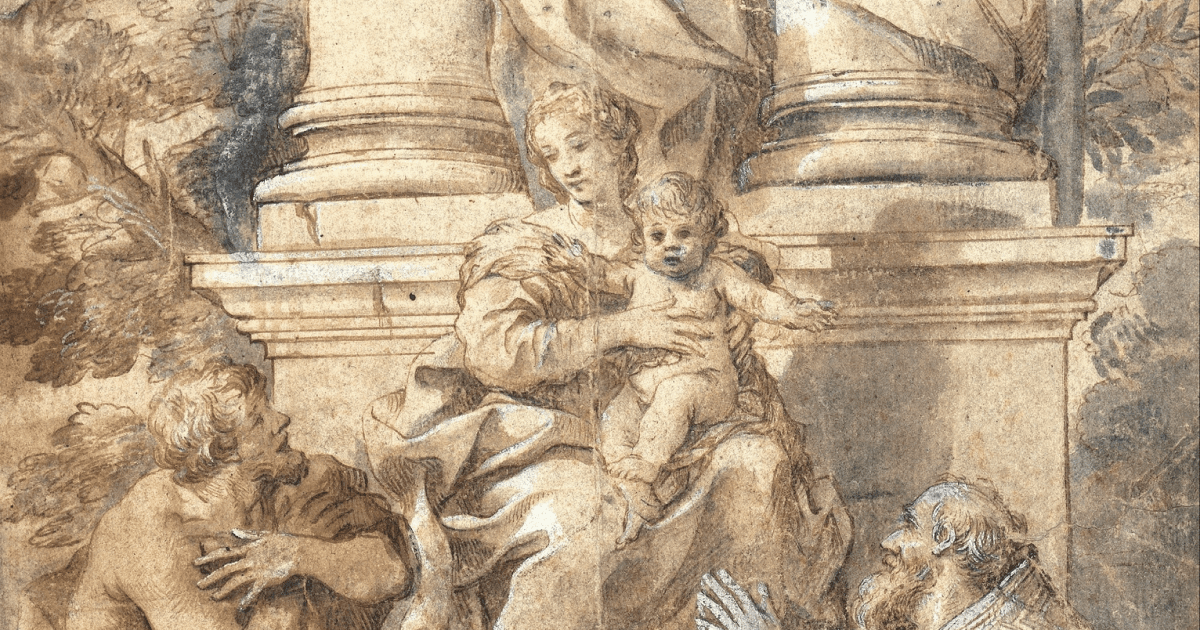
Mr Moore says that the universality of the Church has made him re-evaluate politics: "Catholicism puts politics in rather a different light, because you can have real rapport with people who are very left wing even if you are pretty right wing. In contrast to real Liberation Theology, I think a lot of left wing Catholicism is absolutely mainstream. Whereas I don't agree with left wing ideas at all on most things, being a Catholic is more important than one's political views, so it can help you to understand other people's politics."

His apparent diffidence masks marked opinions and flashes of startling honesty as when he speaks of his conversion: "The most difficult thing about converting is when one's family doesn't like it. I think that is to do with the idea of Catholicism being somehow foreign or alien, because what family members in particular think, more so than do friends, is 'We're being abandoned'. I did find a bit of that in my wider family. It hugely diminishes once you've actually done it."

Mr Moore says the present Pope and John Henry Newman aroused his interest in Catholicism: "And I suppose Evelyn Waugh, though there are many things about his Catholicism I don't like, because though I'm quite a conservative, I am pro the key aspects of Vatican II. I strongly believe in the idea of a pilgrim Church rather than a triumphalist Church. I think Evelyn Waugh was rather of an absolutist view."

Charles Moore was received in a period which saw many high-profile Anglicans "crossing the Tiber". Is English mistrust of Rome now an anachronism? "It's fair to say that lots of people still think that Catholics are almost foreigners and not completely to be trusted. Compared with what people thought 50 years ago the changes are enormous. The present Cardinal has been astute at changing that.

"The Catholic Church seems more central to the spiritual life of Britain than it used to." Catholics, Moore believes, should capitalise on their new-found acceptability: "Now Catholicism is more in the mainstream of British life, it could be bolder. I think Catholics in public affairs are perhaps a little timid in their originality of argument. They're not really opening up the issues boldly and taking enough risks."

"One test of trying to practise your faith is that when there is an apparent conflict between your faith and some other interest your faith prevails.

Charles Moore favours reasoned debate: crude sanctimoniousness is not the house style : "What you can't do is to say the Catholic Church or the Bible teaches X so it must be obeyed, because you are telling people to follow an authority they may or may not follow. What you can do is to bring along a lot of people who are either Christians or who are open to a basically Christian approach."

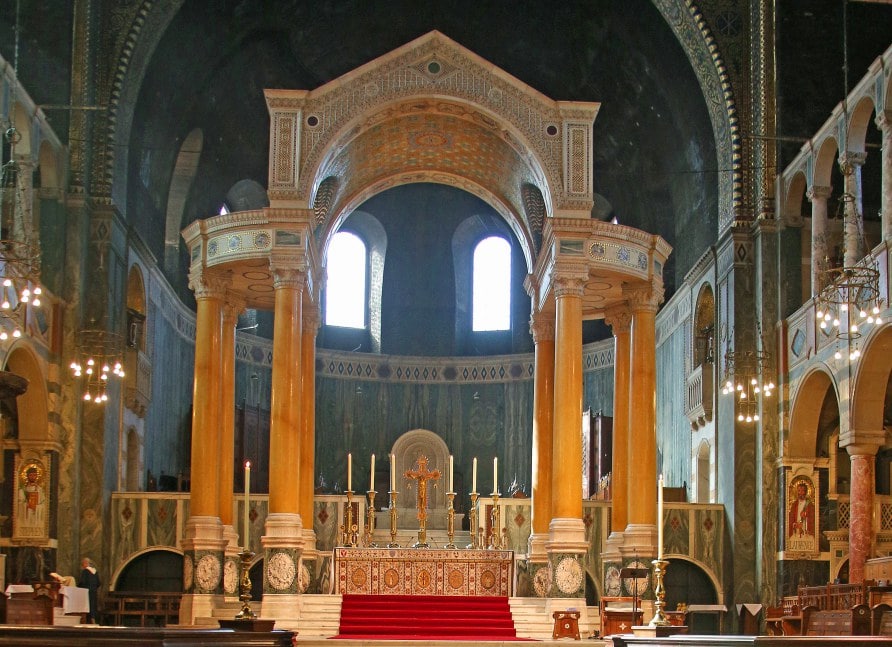
Photo credits: The high altar of Westminster Cathedral (Rennett Stowe under a Creative Commons 2 license); Charles Moore from 2007 (Carl de Souza/AFP via Getty Images).

The Catholic Herald's extraordinary archives include many convert stories, which we will feature from time to time. Interviewed in 1998, when he was edited The Daily Telegraph, the Tory journalist Charles Moore describes entering the Church when one's family doesn't like it, his support for Vatican II, and his thoughts on England and Catholicism.

The full interview can be read here. It appeared in the 23 January 1998 issue.

When we meet, Charles Moore fast makes plain he was converted to the universal claims of the Catholic Church: "I quite like English Catholicism, but that's not what I'm particularly interested in. I'm interested in what the word Catholic means: universal. Essentially when you go to Mass you really feel you are equal before God. The impression one gets is that it is for everybody, quite regardless absolutely regardless of their background, sex, class, age and race."
Mr Moore says that the universality of the Church has made him re-evaluate politics: "Catholicism puts politics in rather a different light, because you can have real rapport with people who are very left wing even if you are pretty right wing. In contrast to real Liberation Theology, I think a lot of left wing Catholicism is absolutely mainstream. Whereas I don't agree with left wing ideas at all on most things, being a Catholic is more important than one's political views, so it can help you to understand other people's politics."

His apparent diffidence masks marked opinions and flashes of startling honesty as when he speaks of his conversion: "The most difficult thing about converting is when one's family doesn't like it. I think that is to do with the idea of Catholicism being somehow foreign or alien, because what family members in particular think, more so than do friends, is 'We're being abandoned'. I did find a bit of that in my wider family. It hugely diminishes once you've actually done it."

Mr Moore says the present Pope and John Henry Newman aroused his interest in Catholicism: "And I suppose Evelyn Waugh, though there are many things about his Catholicism I don't like, because though I'm quite a conservative, I am pro the key aspects of Vatican II. I strongly believe in the idea of a pilgrim Church rather than a triumphalist Church. I think Evelyn Waugh was rather of an absolutist view."

Charles Moore was received in a period which saw many high-profile Anglicans "crossing the Tiber". Is English mistrust of Rome now an anachronism? "It's fair to say that lots of people still think that Catholics are almost foreigners and not completely to be trusted. Compared with what people thought 50 years ago the changes are enormous. The present Cardinal has been astute at changing that.

"The Catholic Church seems more central to the spiritual life of Britain than it used to." Catholics, Moore believes, should capitalise on their new-found acceptability: "Now Catholicism is more in the mainstream of British life, it could be bolder. I think Catholics in public affairs are perhaps a little timid in their originality of argument. They're not really opening up the issues boldly and taking enough risks."

"One test of trying to practise your faith is that when there is an apparent conflict between your faith and some other interest your faith prevails.

Charles Moore favours reasoned debate: crude sanctimoniousness is not the house style : "What you can't do is to say the Catholic Church or the Bible teaches X so it must be obeyed, because you are telling people to follow an authority they may or may not follow. What you can do is to bring along a lot of people who are either Christians or who are open to a basically Christian approach."

Photo credits: The high altar of Westminster Cathedral (Rennett Stowe under a Creative Commons 2 license); Charles Moore from 2007 (Carl de Souza/AFP via Getty Images).

subscribe to
the catholic herald

Continue reading your article with a subscription.
Read 5 articles with our free plan.
Subscribe

subscribe to the catholic herald today

Our best content is exclusively available to our subscribers. Subscribe today and gain instant access to expert analysis, in-depth articles, and thought-provoking insights—anytime, anywhere. Don’t miss out on the conversations that matter most.
Subscribe