

The Patriarch of the Syriac Catholic Church is the first to become subject to new rules promulgated by Pope Leo XIV, enabling the Eastern sui juris Churches to depose a sitting patriarch.
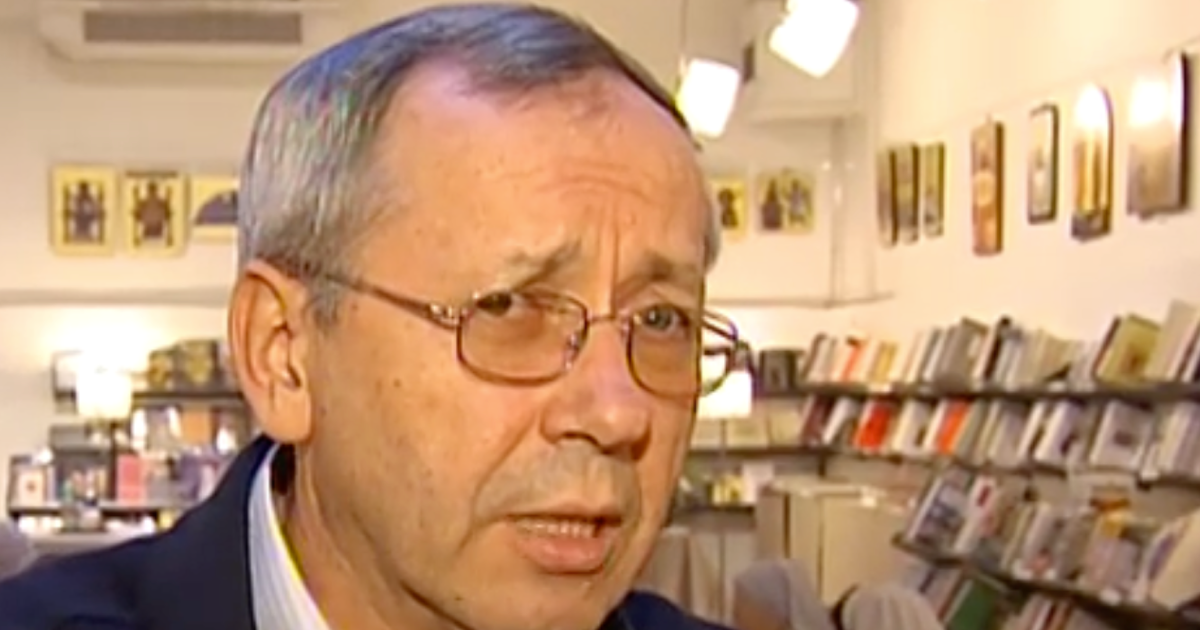
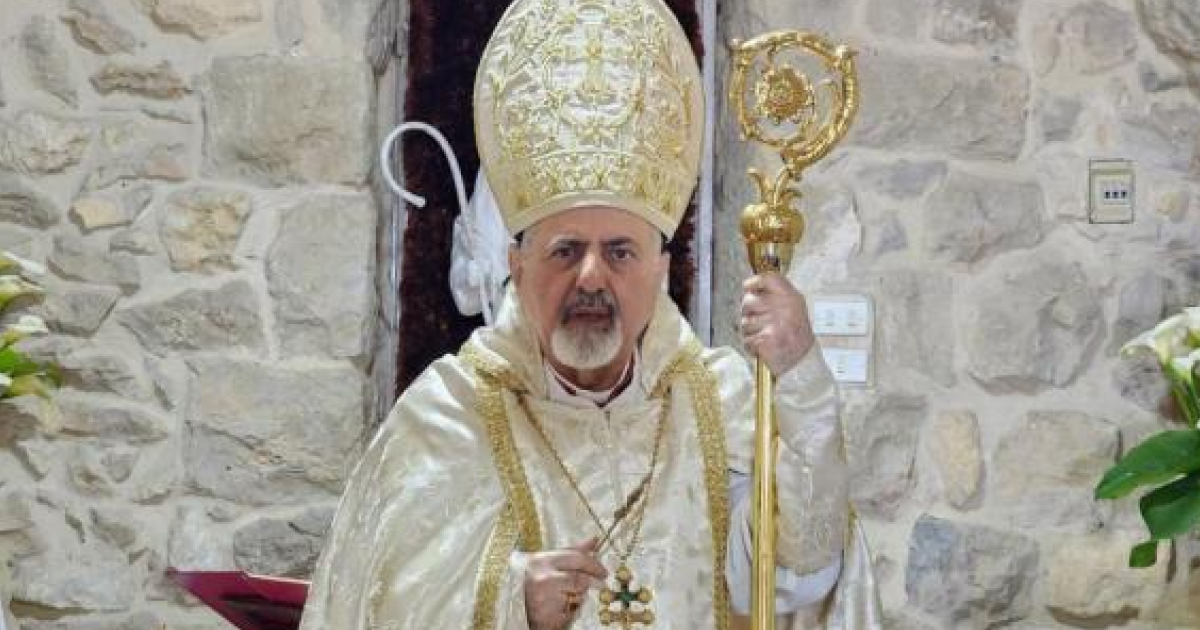
Patriarch Ignatius Youssef III Younan has accused the Vatican of being involved in a campaign to oust him, following the publication of amendments to the Code of Canons of the Eastern Churches.
Signed on August 29, Leo XIV promulgated the apostolic letter Mutua Concordia, by which he enabled bishops in the Synod of an Eastern Church to vote to remove their patriarch. The major change in the code thus sees the patriarchs no longer as nearly immovable, but very much having to maintain healthy relations with their bishops in order to stay in post.
Leo wrote that “if the sacred bond between the Pater et Caput and the other Bishops were irreparably compromised, this would lead to a serious wound that would have to be remedied.” This would be effected by the Synod requesting the Patriarch to resign. If he refuses, then the senior bishop calls a vote which must have a two-thirds majority to reach a decision. The Roman Pontiff must then give his assent to the Synod’s vote to remove the sitting Patriarch.
Within two weeks the first candidate for the reforms was identified – Syriac Patriarch Mar Ignace Youssif III Younan. Indeed, Patriarch Youssif was believed by some to be the chief intended individual the reforms were aimed at.
As noted by Vaticanist Nico Spuntoni, the senior bishop in the Syriac Church made use of his new powers on September 4 after rumblings of dissatisfaction towards the Patriarch had been growing amongst the Syriac bishops for many months. This has centred around discontent at Youssif’s governance of the Syriac Church, including his refusal to convene a synod for a number of years, despite requests to do so.
Patriarch Youssif responded to the move against him by convening the synod for the end of November: the senior bishops and those opposed to the Patriarch wanted the synod to meet this month.
Youssif will turn 82 in November and has been Patriarch since January 2009. He oversees the roughly 160,000 members of the Syriac Church
Speaking to The Pillar, the Patriarch argued that Cardinal Claudio Guegerotti – the prefect of the Dicastery for Eastern Catholic Churches – was complicit in a coordinated move to oust him from office.
Youssif stated that “most” of the Eastern Patriarchs are “not so happy” with Gugerotti, adding that the cardinal “has spread the news for the past two years that he is trying to get several patriarchs dismissed, and he says that openly.” It was Gugerotti, claimed Youssif, who was chiefly behind Leo’s Mutua Concordia and who was encouraging Syriac bishops to move against their Patriarch. The cardinal was fostering this “rebellion”, attested Youssif.
The Patriarch also argued that Gugerotti hijacked plans to hold the Syriac Synod in 2025, summoning the Syriac bishops to Rome and presiding over the meeting himself. This meeting, stated Youssif, was a “farcical-synod, a sort of tribunal condemning the patriarch in the absence of any ‘grave reason,’ orchestrated by the bishops with the complicity of the Dicastery for Eastern Churches.”
Gugerotti has served as prefect of the Dicastery since late 2022, having previously been Papal Nuncio to Great Britain and also Ukraine. He was described by close observers as one to watch during the 2025 papal conclave, due to his ambitious streak.
The controversy now ensuing within the Syriac Church is not an isolated event, but will be a tester for how the new papal reforms of the Eastern Code are interpreted. If some parties perceive that the Vatican is indeed working to remove a sitting Patriarch, then this will notably damage the relationship between churches.
Veteran Vatican observer Luis Badilla suggested that in order to avoid spiralling conflict, the Vatican should seek to persuade elderly patriarchs to resign. But, he added, “if this were to become necessary, the point of the measure would be unclear, since resignation was already possible prior to the reform enacted in recent weeks.”
Pope Leo’s reforms have “likely opened the door not only to further removals but also to new synodal battles”, Badilla warned.
Michael Haynes is an English journalist in the Holy See Press Corps. He serves as Vatican Correspondent for the Catholic Herald, while readers can follow him at Per Mariam and on X @MLJHaynes.