



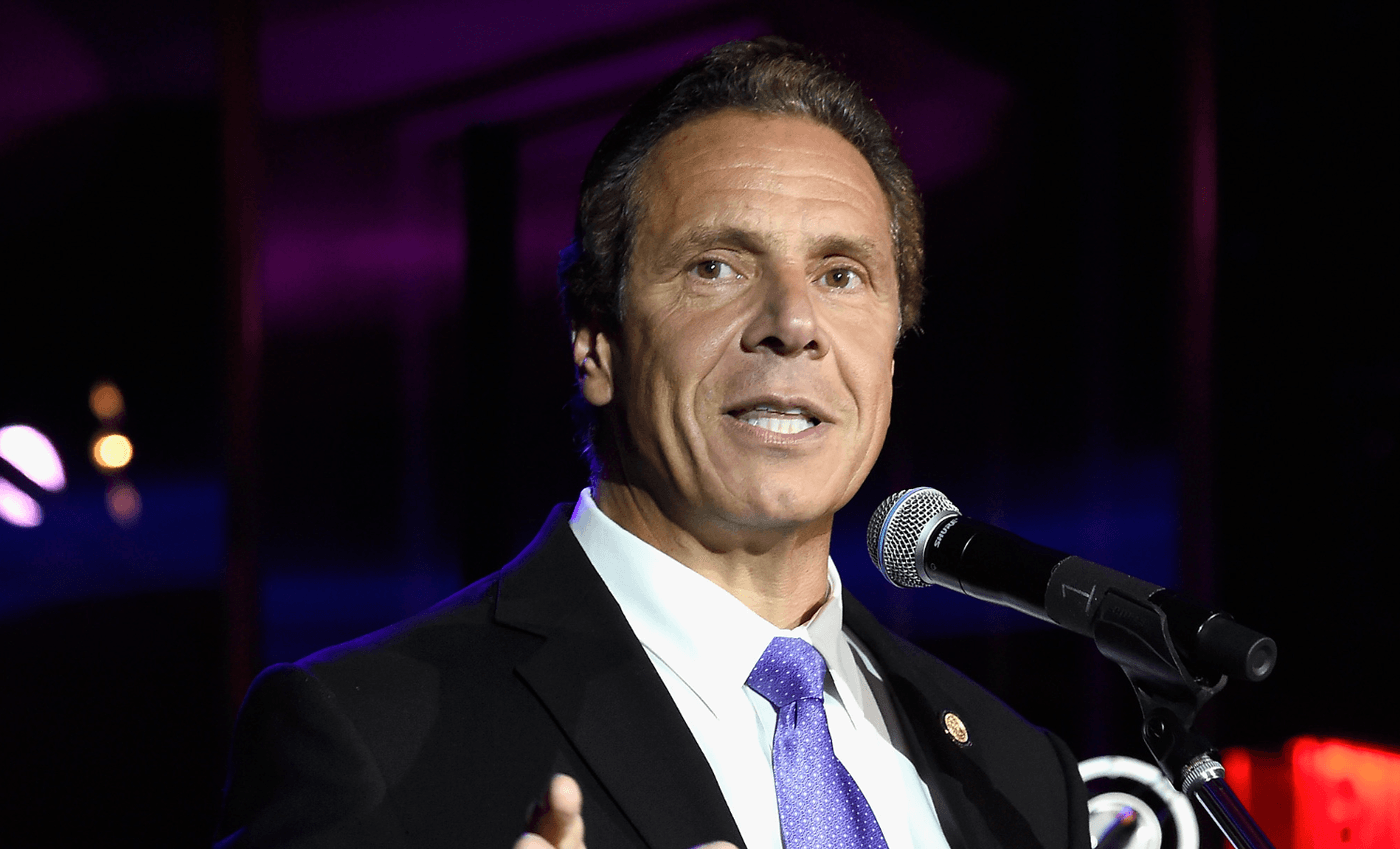
Should Andrew Cuomo, the governor of New York, be excommunicated from the Catholic Church? Let me see. A politician who describes himself as a Catholic has just signed off on one of the most expansive abortion laws in US history: not only does it guarantee access to a termination, but it removes it from the criminal code and permits medical professionals who are not doctors to perform abortions, which all sounds like a clear rejection of the Church’s teaching on the taking of human life and thus solid grounds for excommunication. And yet his bishop, Cardinal Timothy Dolan, has said that he has no intention of excommunicating Cuomo. I’m genuinely interested to know what the post-Vatican II Church is willing to take a stand on – and though I hate to sound like a traddy bore, I fear its present inaction has something to do with the Sixties. The reason why clerics are reluctant to excommunicate isn’t just their attitude towards excommunication – “It should not be used as a weapon,” said Cardinal Dolan – it’s their attitude towards the Eucharist itself. When I joined the Church, I moved from an essentially Protestant view of Communion (a figurative meal) to a Catholic one (a literal sacrifice), and if the Host is the Body of Christ then this has enormous implications. You can’t let any old Tom, Dick or Harry distribute it; you really ought to receive it on the tongue, preferably on your knees. And most important, you should be in a state of grace before you partake. I for one always make sure I’ve been to Confession first and fasted beforehand, and for that reason, I only end up receiving Communion about half-a-dozen times a year. The first few times I saw absolutely everyone else in the church get up and take the Host, I thought: “Wow, these people must all be saints!” And they must’ve looked at this strange fellow sitting still in the pews and thought: “What’s he done that’s so bad? Is he a serial killer?” What I discovered is that it’s now the convention in the post-Sixties Church for everyone to take Communion as a matter of course. Each person might decide that this is right for them – who am I to judge? – but it’s also possible that in the average congregation there are routine communicants who have committed all sorts of sins that they’ve not fully confronted, and while the Church does require them to test their conscience before receiving the Eucharist, that request has become somewhat perfunctory. To push this argument to extremes, why should the Church excommunicate Cuomo for signing a law regarding abortion when it’s conceivable that there’s a doctor in the queue for Communion who has actually performed one? A Church that puts so much stress upon “taking part” is going to find it psychologically difficult to suddenly start emphasising the individual’s readiness. It runs counter to the narrative that sections of the Church have been writing for decades. I know of one liberal-minded nun who told two Protestant friends of mine that they were welcome to receive Holy Communion at a Mass they attended because “the Pope says it’s OK now” (which is simply not true). A Church that only includes and never excommunicates loses a powerful, necessary tool for defining what it is for and what it is against. I for one am sick of the cowardice. Where will the 21st-century Church finally draw a line? At euthanasia? Arms sales? The exploitation of the poor? If not at abortion, then where?
1:30 PM
The Church is in danger of losing all respect for the Eucharist
should andrew cuomo, the governor of new york, be excommunicated from the catholic church? let me see. a politician who describes himself as...
Tim Stanley

5 min read



Already a subscriber? Sign in
5freearticles every month
Continue reading with a free account. No card needed.
- Five free articles every thirty days, on any device you sign in on
- The Catholic Herald newsletter, every morning
- Subscribe whenever you like for everything: every article and the magazine




subscribe to the catholic herald today
Our best content is exclusively available to our subscribers. Subscribe today and gain instant access to expert analysis, in-depth articles, and thought-provoking insights—anytime, anywhere. Don’t miss out on the conversations that matter most.
Subscribe



