January 19, 2026
January 19, 2026

What does the Court of Cassation ruling mean?

Min read
share

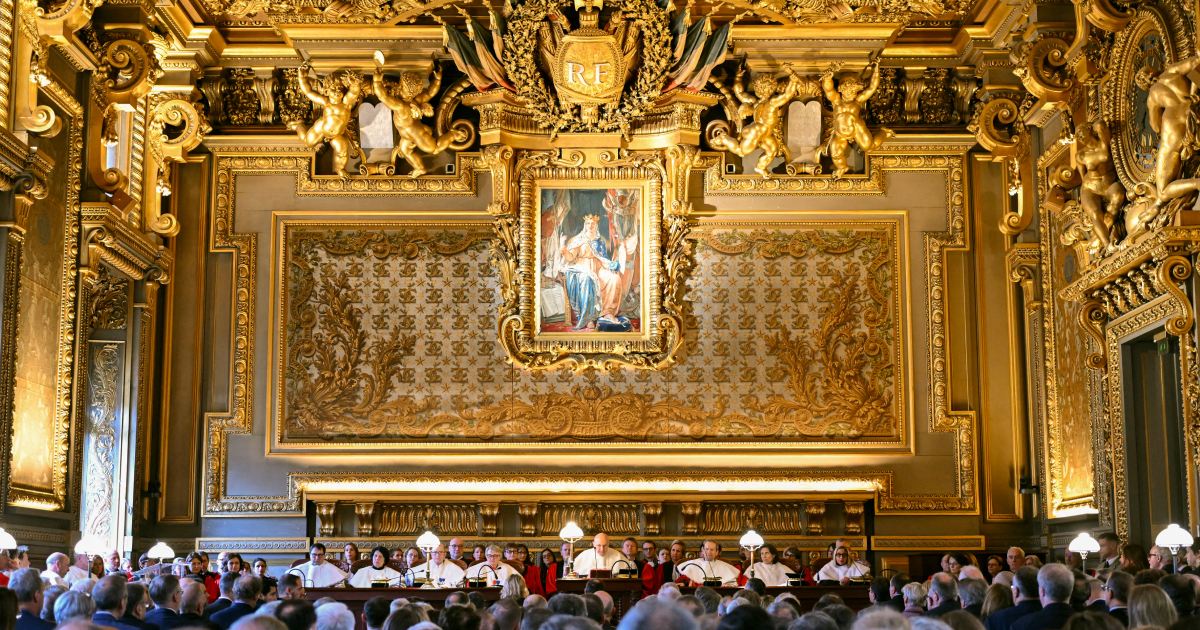
Vatican City’s highest court has removed the final legal obstacles preventing the appeal phase of the Secretariat of State financial trial from proceeding.

In decisions signed on January 9, 2026, and made public on January 12, 2026, the Court of Cassation rejected an appeal lodged by Vatican City’s chief prosecutor and formally accepted his recusal from the proceedings, ensuring that the appeal hearings will now move forward without further procedural delay. The next session of the appeal trial is scheduled for 3 February.

The rulings mean that judges will now examine only the appeals filed by convicted defendants. The prosecution will not be permitted to reopen the case or seek to amend the legal framework under which the original verdicts were delivered. Any changes arising from the appeal process will therefore be limited to potential reductions of sentences, modifications of convictions, or acquittals.

In simple terms, the verdict prevents any further escalation of the charges against the defendants, turning the continuation of the proceedings into a dispute over reduced sentences.

The Court of Cassation’s intervention followed months of legal dispute in the appeal court, where defence lawyers challenged the admissibility of the prosecution’s appeal. Judges at that level concluded that the filing failed to meet procedural requirements and was submitted outside established deadlines. When prosecutors sought to contest that ruling by questioning the authority of the appeal court itself, the case was referred to the Vatican’s highest judicial body.

In its ruling, the Court of Cassation upheld the appeal court’s findings, stating that the prosecution’s appeal did not fall within the scope of a procedurally valid filing. The court also recognised the abstention of Alessandro Diddi, whose handling of the case had been the subject of repeated defence objections during earlier stages of the proceedings.

The court was presided over by Cardinal Kevin Joseph Farrell, with Cardinals Matteo Zuppi, Augusto Paolo Lojudice and Mauro Gambetti sitting alongside two lay judges.

The appeal stems from the Vatican’s most extensive criminal trial, which concluded in December 2023 after more than two years of hearings. The case focused on the Holy See’s investment in a London property at 60 Sloane Avenue, a former Harrods warehouse acquired through a series of complex financial arrangements managed by the Secretariat of State.

Prosecutors argued that Vatican officials and intermediaries engaged in fraudulent practices that caused substantial losses to the Holy See. Defence teams countered that the transactions reflected poor business judgment rather than criminal conduct and that responsibility lay with institutional decision-making at the highest levels.

Among those convicted at first instance was Cardinal Angelo Becciu, the former sostituto of the Secretariat of State. He was sentenced to five years and six months’ imprisonment after being found guilty of embezzlement and fraud. He has consistently denied wrongdoing and has appealed his conviction. During the trial, defence lawyers raised concerns about witness handling and prosecutorial conduct, particularly following the emergence of private communications involving individuals connected to the case.

The decision by the Vatican City State’s Court of Cassation marks a critical juncture in the legal reforms championed under Pope Francis. Francis placed significant personal emphasis on the case, framing it as a statement that financial misconduct would no longer be tolerated among high-ranking officials in the Roman Curia. Allowing a cardinal and other senior figures to face criminal proceedings was a groundbreaking and deliberately high-profile move. However, Alessandro Diddi’s vigorous approach eventually sparked discomfort even within Vatican walls, as prolonged procedural battles drifted beyond the core issues of accountability.

By rejecting the prosecution’s bid to expand or reframe its arguments, the court has effectively blocked an appeal that sought to present the various offences as elements of a single overarching conspiracy. In doing so, the Court of Cassation emphasised the primacy of proper legal standards. Judicial bodies, the ruling suggests, must uphold due process rather than serve as instruments for advancing reform initiatives, regardless of their aims. This outcome represents a setback for the legacy of Francis’s legal reforms.

The defendants, including Cardinal Becciu, stand to gain most directly from this limitation. Becciu’s first-instance conviction and five-and-a-half-year sentence will now face appellate scrutiny without the threat of broadened accusations. This is far from an acquittal, but it significantly narrows the scope of the trial.

Institutionally, the implications point to a shift in approach to Vatican finances. Under Pope Leo XIV, the emphasis has moved from high-profile indictments towards preventive mechanisms and structural safeguards designed to avert future failures. The prosecutor’s withdrawal from further aggressive pursuit signals a deliberate winding down of the criminal track in favour of long-term administrative reform.

The appeal hearings in February may yet result in acquittals or reduced sentences, outcomes that could assist Leo XIV’s broader efforts at reconciliation after years of internal curial tension. Even if convictions are upheld, they will do so without further escalation, allowing the Church to move beyond a trial that has consumed disproportionate attention.

Vatican City’s highest court has removed the final legal obstacles preventing the appeal phase of the Secretariat of State financial trial from proceeding.

In decisions signed on January 9, 2026, and made public on January 12, 2026, the Court of Cassation rejected an appeal lodged by Vatican City’s chief prosecutor and formally accepted his recusal from the proceedings, ensuring that the appeal hearings will now move forward without further procedural delay. The next session of the appeal trial is scheduled for 3 February.

The rulings mean that judges will now examine only the appeals filed by convicted defendants. The prosecution will not be permitted to reopen the case or seek to amend the legal framework under which the original verdicts were delivered. Any changes arising from the appeal process will therefore be limited to potential reductions of sentences, modifications of convictions, or acquittals.

In simple terms, the verdict prevents any further escalation of the charges against the defendants, turning the continuation of the proceedings into a dispute over reduced sentences.

The Court of Cassation’s intervention followed months of legal dispute in the appeal court, where defence lawyers challenged the admissibility of the prosecution’s appeal. Judges at that level concluded that the filing failed to meet procedural requirements and was submitted outside established deadlines. When prosecutors sought to contest that ruling by questioning the authority of the appeal court itself, the case was referred to the Vatican’s highest judicial body.

In its ruling, the Court of Cassation upheld the appeal court’s findings, stating that the prosecution’s appeal did not fall within the scope of a procedurally valid filing. The court also recognised the abstention of Alessandro Diddi, whose handling of the case had been the subject of repeated defence objections during earlier stages of the proceedings.

The court was presided over by Cardinal Kevin Joseph Farrell, with Cardinals Matteo Zuppi, Augusto Paolo Lojudice and Mauro Gambetti sitting alongside two lay judges.

The appeal stems from the Vatican’s most extensive criminal trial, which concluded in December 2023 after more than two years of hearings. The case focused on the Holy See’s investment in a London property at 60 Sloane Avenue, a former Harrods warehouse acquired through a series of complex financial arrangements managed by the Secretariat of State.

Prosecutors argued that Vatican officials and intermediaries engaged in fraudulent practices that caused substantial losses to the Holy See. Defence teams countered that the transactions reflected poor business judgment rather than criminal conduct and that responsibility lay with institutional decision-making at the highest levels.

Among those convicted at first instance was Cardinal Angelo Becciu, the former sostituto of the Secretariat of State. He was sentenced to five years and six months’ imprisonment after being found guilty of embezzlement and fraud. He has consistently denied wrongdoing and has appealed his conviction. During the trial, defence lawyers raised concerns about witness handling and prosecutorial conduct, particularly following the emergence of private communications involving individuals connected to the case.

The decision by the Vatican City State’s Court of Cassation marks a critical juncture in the legal reforms championed under Pope Francis. Francis placed significant personal emphasis on the case, framing it as a statement that financial misconduct would no longer be tolerated among high-ranking officials in the Roman Curia. Allowing a cardinal and other senior figures to face criminal proceedings was a groundbreaking and deliberately high-profile move. However, Alessandro Diddi’s vigorous approach eventually sparked discomfort even within Vatican walls, as prolonged procedural battles drifted beyond the core issues of accountability.

By rejecting the prosecution’s bid to expand or reframe its arguments, the court has effectively blocked an appeal that sought to present the various offences as elements of a single overarching conspiracy. In doing so, the Court of Cassation emphasised the primacy of proper legal standards. Judicial bodies, the ruling suggests, must uphold due process rather than serve as instruments for advancing reform initiatives, regardless of their aims. This outcome represents a setback for the legacy of Francis’s legal reforms.

The defendants, including Cardinal Becciu, stand to gain most directly from this limitation. Becciu’s first-instance conviction and five-and-a-half-year sentence will now face appellate scrutiny without the threat of broadened accusations. This is far from an acquittal, but it significantly narrows the scope of the trial.

Institutionally, the implications point to a shift in approach to Vatican finances. Under Pope Leo XIV, the emphasis has moved from high-profile indictments towards preventive mechanisms and structural safeguards designed to avert future failures. The prosecutor’s withdrawal from further aggressive pursuit signals a deliberate winding down of the criminal track in favour of long-term administrative reform.

The appeal hearings in February may yet result in acquittals or reduced sentences, outcomes that could assist Leo XIV’s broader efforts at reconciliation after years of internal curial tension. Even if convictions are upheld, they will do so without further escalation, allowing the Church to move beyond a trial that has consumed disproportionate attention.

share

subscribe to the catholic herald today

Our best content is exclusively available to our subscribers. Subscribe today and gain instant access to expert analysis, in-depth articles, and thought-provoking insights—anytime, anywhere. Don’t miss out on the conversations that matter most.
Subscribe