
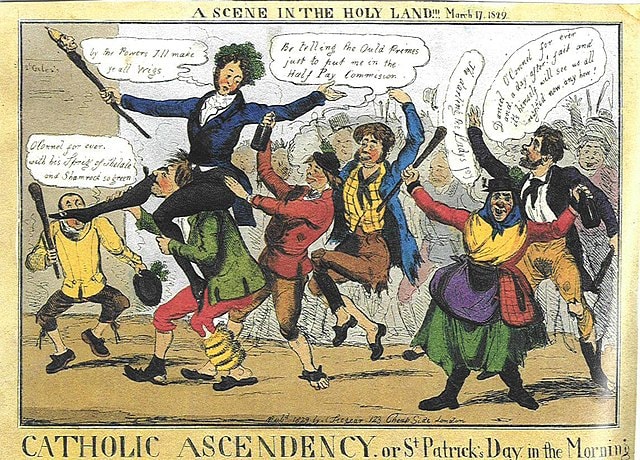
Writing history has never been a safe business. All histories have political implications and in Britain, since the Reformation, even apparently peaceable studies of church bells, parish records and gravestones have sometimes landed their authors in trouble. Specifically, they have attracted accusations of Catholic sympathy. In 1617, Walter Raleigh complained that any attempt to preserve church buildings was fraught with danger because “all cost and care” of them was “accounted a kind of Popery”. Nearly two centuries later, in 1797, George III condemned the Society of Antiquaries as “nothing but a Popish cabal”. Antiquaries were the people, men – and some women – who studied the material remains of the past. They were the first archaeologists, oral historians, architectural historians, folklorists and conservationists and they had annoyed the King by objecting to alterations to Salisbury Cathedral, to which he had made a generations donation.
2:39 PM
Writing their way into history
writing history has never been a safe business. all histories have political implications and in britain, since the reformation, even appare...
Rosemary Hill

4 min read



Already a subscriber? Sign in
5freearticles every month
Continue reading with a free account. No card needed.
- Five free articles every thirty days, on any device you sign in on
- The Catholic Herald newsletter, every morning
- Subscribe whenever you like for everything: every article and the magazine

subscribe to the catholic herald today
Our best content is exclusively available to our subscribers. Subscribe today and gain instant access to expert analysis, in-depth articles, and thought-provoking insights—anytime, anywhere. Don’t miss out on the conversations that matter most.
Subscribe



