February 12, 2026

A soon-to-be Saint

Father Michael Collins
More
Related
Min read
share

Carlo Acutis’s story speaks powerfully to young and old alike, says Michael Collins.

On January 28, 1990, a plane carrying a young Italian couple landed at Heathrow Airport. They had been married the previous day in Rome, but a honeymoon was out of the question. Andrea Acutis and his young bride, Antonia Salzano, had decided to spend a week at Easter with family in Italy. For now, the young Andrea had a new job in London and that required his full commitment.

The couple moved into a garden-level flat at Gledhow Gardens. While Andrea plunged into the world of London finance, Antonia extended her circle of friends in the capital. In late autumn, she became pregnant. The next months passed in a flurry of preparations for the arrival of their firstborn; baby clothes, a cot and a pram were purchased, and on May 3 the following year, little Carlo Acutis was born.

The infant’s grandparents flew in two weeks later for the Baptism, which was celebrated on May 18 at the Servite Church of Our Lady of Dolours on the Fulham Road.

The London sojourn was to come to an abrupt end, however, when Andrea returned to Milan to take up a position in the family insurance company. In September, the couple packed their belongings and headed back to Italy.

Antonia and Andrea settled with their little son in the centre of Milan, Italy’s hub of fashion and commerce. Antonia, a gregarious woman, had little problem finding friends in her new neighbourhood.

Given the couple’s comfortable financial situation, a Polish nanny, Beate, was employed to help care for the little boy. In the afternoons, she took Carlo for a stroll in a buggy, usually stopping in some of the local churches to light a candle and pray.

Carlo’s religious faith was unusual, as neither Andrea nor Antonia regarded themselves as more than cradle Catholics. Prior to her marriage, Antonia recalled attending Mass only on the occasion of her First Communion and Confirmation. Andrea’s family were more religious, but he rarely went to church.

When Beate decided to leave, Antonia hired a young Mauritian migrant, Rajesh Mohur, who helped run the household. Rajesh grew fond of the young boy, accompanying him to school and helping him with homework.

At the age of seven, Carlo asked to make his First Holy Communion, two or three years earlier than most Italian children. Permission was granted by the parish priest, and the young Carlo received the sacrament at a convent on the outskirts of Milan.

He made a vow to attend Mass every day and to pray the rosary. Whether at home in Milan or on holiday, Carlo kept his promise.

Although it is the wealthiest city in Italy, Milan has pockets of poverty, exacerbated by a growing number of migrants. Even in the prosperous part of the city centre where the Acutis family lived, it was not uncommon to see people sleeping rough in parks and piazzas. On his walk to and from school, Carlo observed people sleeping in makeshift tents or begging for food. After supper he took the leftovers to people sleeping on the pavements. Soon he convinced Rajesh to help him cook meals especially for them.

Carlo’s parents believed that he would grow out of his obsession with helping people. But as time passed, they realised that this was now a habit for the young boy. He eschewed birthday presents and asked for sleeping bags instead, to give to the people living on the streets.

Shortly after he received Confirmation at the age of 12, Carlo volunteered to help with catechism classes and organised activities for the young people in his home parish of Santa Maria Segreta. In his diary, he reflected on the beauty of God’s love. “We are born originals, but so many of us die just as photocopies,” he observed. He could not understand why people did not appreciate the Eucharist. “I see people queuing outside the cinema and football stadium, but the churches are nearly empty,” he noted. “So many people lie in the sun to get a tan, but if we sit before Jesus in the Eucharist he will lighten up our lives.”

In the mid-1990s, the internet became commercially available. Carlo’s generation was the first to use the internet domestically, and his parents bought him a computer. Like his peers, Carlo loved video games – but he limited his use to an hour per week. The internet opened a vast world for him, and the young boy quickly realised the potential of the new technology. He helped design a website for his local parish and volunteered to design a website to help people with special needs at his Jesuit-run school.

Carlo also developed a deep devotion to the Eucharist, which he called his “highway to heaven”. He catalogued reports of Eucharistic miracles and designed a website to spread devotion to the Blessed Sacrament.

His faith had a practical expression, for as a young teenager he volunteered to work with the Missionaries of Charity founded by St Teresa of Calcutta. At their centre, he sorted out secondhand clothes and helped in a kitchen providing meals. When he asked the Capuchin friars near his home if he could help with their food bank, they advised him to get involved when he was a little older.

Carlo was not destined to live a long life, however. Shortly after returning to school in September 2006, he developed a fever. Within a couple of days he was so ill that he was admitted to hospital; tests revealed that he had an aggressive form of leukaemia. The medical team treated him rapidly, but a week later he succumbed to the disease.

Carlo’s parents were distraught at the loss of their only child. Buried in the family grave in the Piedmontese town of Ternengo, his body was transferred in January of the following year to Assisi, a city dear to his heart and where the family had a second home.

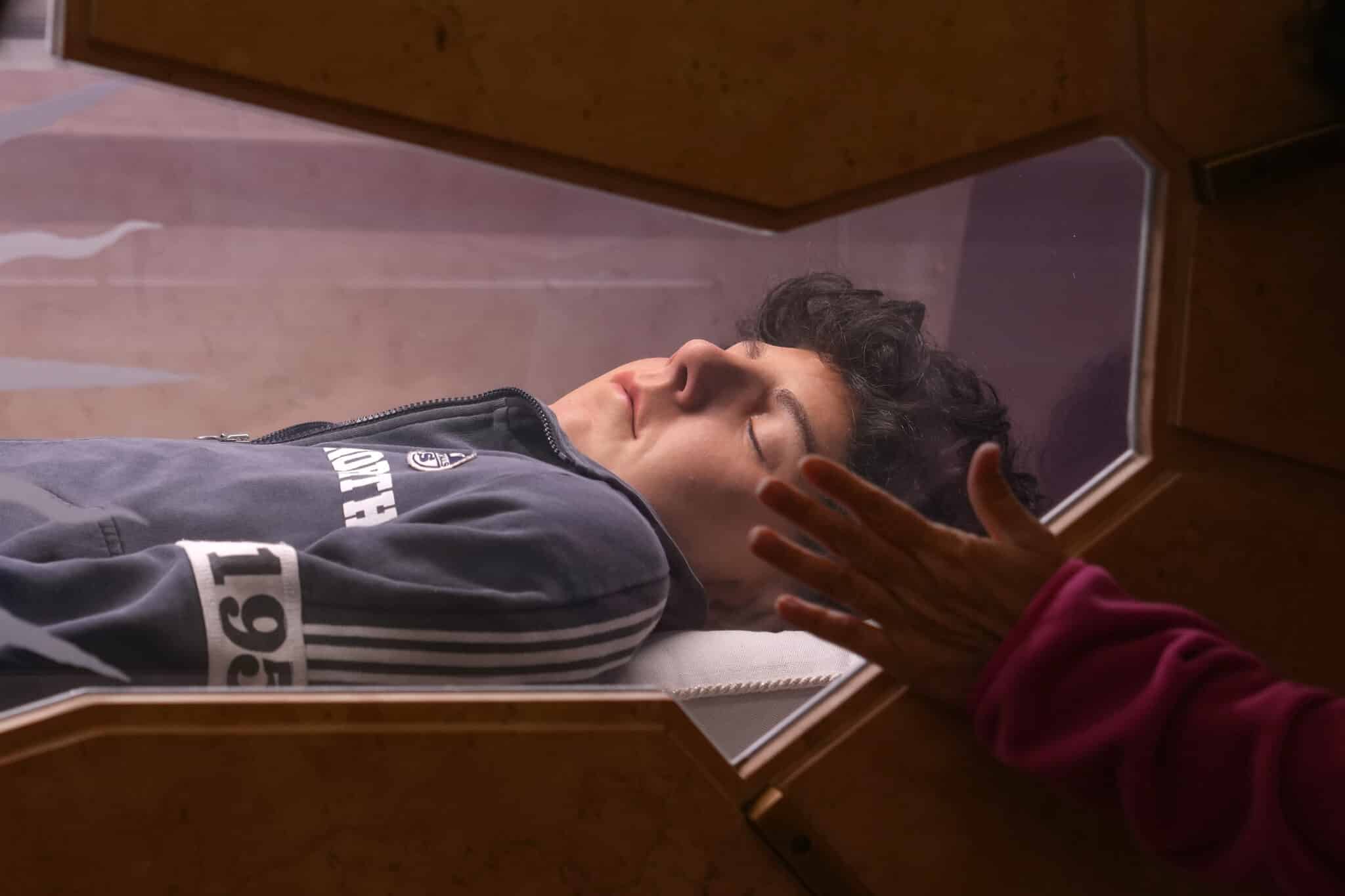
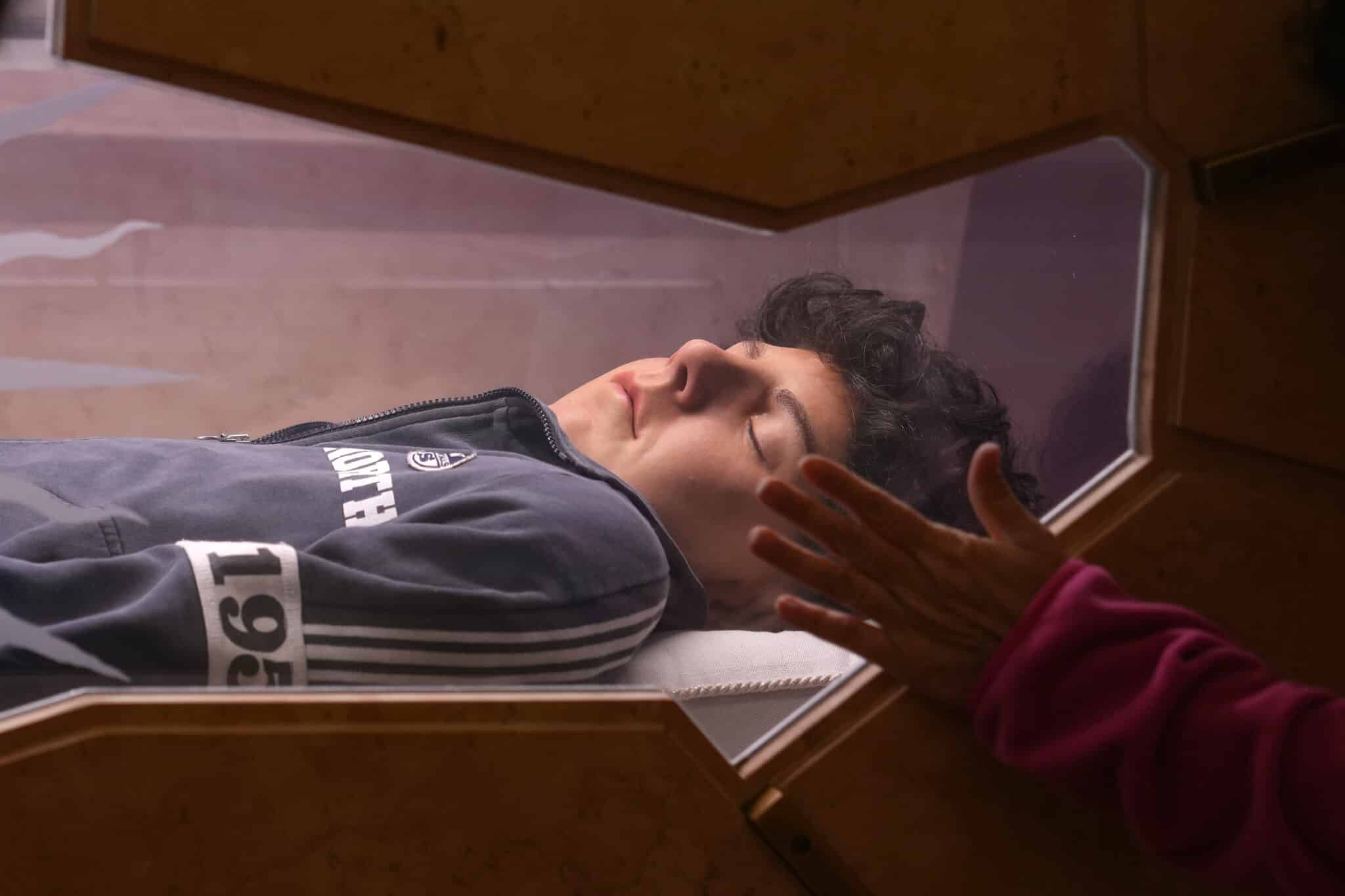
Within a few weeks, some people claimed that they had received favours while praying to Carlo. Six years after his death, a diocesan commission was set up and in 2016 the Holy See received all the documentation of witness to young Carlo’s unusual sanctity. Devotion to Carlo spread across the world. In November 2019, Pope Francis approved the miraculous cure of a young Brazilian boy with pancreatic malformation, leading to Carlo’s beatification the next year in Assisi. Carlo’s body was taken from the town cemetery and placed in the Church of Santa Maria Maggiore.

Four years after Carlo’s death, Antonia gave birth to twins: Francesca and Michele. They were born on October 12, the same date on which their brother had died in 2006.

Interest in Carlo continued to grow around the globe. His mother travelled across Italy and abroad to recount episodes of the young boy’s life, volunteering to become a catechist. “My son never wasted a moment,” she claimed. “He was in a hurry to love God and to help people.” Reflecting on the influence that her son had on her life, Antonia often repeated: “He taught me so much. He was my little Buddha.” Carlo’s father, meanwhile, funded several charitable foundations to help young people in need.

In 2024, the healing of a young girl critically injured in a traffic accident in Florence two years earlier was accepted as his necessary second miracle: Pope Francis declared that Blessed Carlo Acutis would be canonised on April 27, during this Year of Jubilee.

The Church has recognised the sanctity of people of all ages and races, but this young English-Italian saint is unique. None has had his social-media presence among young people, but his sincerity and holiness is appreciated by those of all ages.

Fr Michael Collins is the author of God’s In fluencer: A Short Biography of Carlo Acutis (Orpen Press, £8.99)

(Photo by Christopher Furlong/Getty Images)

This article appeared in the April edition of the Catholic Herald. To subscribe to our award-winning, thought-provoking magazine and have independent, high-calibre, counter-cultural and orthodox Catholic journalism delivered to your door anywhere in the world click HERE.
The Church has recognised the sanctity of people of all ages and races, but this young English-Italian saint is unique. None has had his social-media presence among young people, but his sincerity and holiness is appreciated by those of all ages. Fr Michael Collins is the author of God’s In fluencer: A Short Biography of Carlo Acutis (Orpen Press, £8.99) (Photo by Christopher Furlong/Getty Images)<a href="https://www.gettyimages.es/license/2205839322?adppopup=true"></a><a href="https://www.gettyimages.es/license/2205857470?adppopup=true"></a> <strong>This article appeared in the April edition of the <em>Catholic Herald</em>. To subscribe to our award-winning, thought-provoking magazine and have independent, high-calibre, counter-cultural and orthodox Catholic journalism delivered to your door anywhere in the world click <a href="https://catholicherald.co.uk/subscribe/?swcfpc=1"><mark>HERE</mark></a></strong>.

Carlo Acutis’s story speaks powerfully to young and old alike, says Michael Collins.

On January 28, 1990, a plane carrying a young Italian couple landed at Heathrow Airport. They had been married the previous day in Rome, but a honeymoon was out of the question. Andrea Acutis and his young bride, Antonia Salzano, had decided to spend a week at Easter with family in Italy. For now, the young Andrea had a new job in London and that required his full commitment.

The couple moved into a garden-level flat at Gledhow Gardens. While Andrea plunged into the world of London finance, Antonia extended her circle of friends in the capital. In late autumn, she became pregnant. The next months passed in a flurry of preparations for the arrival of their firstborn; baby clothes, a cot and a pram were purchased, and on May 3 the following year, little Carlo Acutis was born.

The infant’s grandparents flew in two weeks later for the Baptism, which was celebrated on May 18 at the Servite Church of Our Lady of Dolours on the Fulham Road.

The London sojourn was to come to an abrupt end, however, when Andrea returned to Milan to take up a position in the family insurance company. In September, the couple packed their belongings and headed back to Italy.

Antonia and Andrea settled with their little son in the centre of Milan, Italy’s hub of fashion and commerce. Antonia, a gregarious woman, had little problem finding friends in her new neighbourhood.

Given the couple’s comfortable financial situation, a Polish nanny, Beate, was employed to help care for the little boy. In the afternoons, she took Carlo for a stroll in a buggy, usually stopping in some of the local churches to light a candle and pray.

Carlo’s religious faith was unusual, as neither Andrea nor Antonia regarded themselves as more than cradle Catholics. Prior to her marriage, Antonia recalled attending Mass only on the occasion of her First Communion and Confirmation. Andrea’s family were more religious, but he rarely went to church.

When Beate decided to leave, Antonia hired a young Mauritian migrant, Rajesh Mohur, who helped run the household. Rajesh grew fond of the young boy, accompanying him to school and helping him with homework.

At the age of seven, Carlo asked to make his First Holy Communion, two or three years earlier than most Italian children. Permission was granted by the parish priest, and the young Carlo received the sacrament at a convent on the outskirts of Milan.

He made a vow to attend Mass every day and to pray the rosary. Whether at home in Milan or on holiday, Carlo kept his promise.

Although it is the wealthiest city in Italy, Milan has pockets of poverty, exacerbated by a growing number of migrants. Even in the prosperous part of the city centre where the Acutis family lived, it was not uncommon to see people sleeping rough in parks and piazzas. On his walk to and from school, Carlo observed people sleeping in makeshift tents or begging for food. After supper he took the leftovers to people sleeping on the pavements. Soon he convinced Rajesh to help him cook meals especially for them.

Carlo’s parents believed that he would grow out of his obsession with helping people. But as time passed, they realised that this was now a habit for the young boy. He eschewed birthday presents and asked for sleeping bags instead, to give to the people living on the streets.

Shortly after he received Confirmation at the age of 12, Carlo volunteered to help with catechism classes and organised activities for the young people in his home parish of Santa Maria Segreta. In his diary, he reflected on the beauty of God’s love. “We are born originals, but so many of us die just as photocopies,” he observed. He could not understand why people did not appreciate the Eucharist. “I see people queuing outside the cinema and football stadium, but the churches are nearly empty,” he noted. “So many people lie in the sun to get a tan, but if we sit before Jesus in the Eucharist he will lighten up our lives.”

In the mid-1990s, the internet became commercially available. Carlo’s generation was the first to use the internet domestically, and his parents bought him a computer. Like his peers, Carlo loved video games – but he limited his use to an hour per week. The internet opened a vast world for him, and the young boy quickly realised the potential of the new technology. He helped design a website for his local parish and volunteered to design a website to help people with special needs at his Jesuit-run school.

Carlo also developed a deep devotion to the Eucharist, which he called his “highway to heaven”. He catalogued reports of Eucharistic miracles and designed a website to spread devotion to the Blessed Sacrament.

His faith had a practical expression, for as a young teenager he volunteered to work with the Missionaries of Charity founded by St Teresa of Calcutta. At their centre, he sorted out secondhand clothes and helped in a kitchen providing meals. When he asked the Capuchin friars near his home if he could help with their food bank, they advised him to get involved when he was a little older.

Carlo was not destined to live a long life, however. Shortly after returning to school in September 2006, he developed a fever. Within a couple of days he was so ill that he was admitted to hospital; tests revealed that he had an aggressive form of leukaemia. The medical team treated him rapidly, but a week later he succumbed to the disease.

Carlo’s parents were distraught at the loss of their only child. Buried in the family grave in the Piedmontese town of Ternengo, his body was transferred in January of the following year to Assisi, a city dear to his heart and where the family had a second home.

Within a few weeks, some people claimed that they had received favours while praying to Carlo. Six years after his death, a diocesan commission was set up and in 2016 the Holy See received all the documentation of witness to young Carlo’s unusual sanctity. Devotion to Carlo spread across the world. In November 2019, Pope Francis approved the miraculous cure of a young Brazilian boy with pancreatic malformation, leading to Carlo’s beatification the next year in Assisi. Carlo’s body was taken from the town cemetery and placed in the Church of Santa Maria Maggiore.

Four years after Carlo’s death, Antonia gave birth to twins: Francesca and Michele. They were born on October 12, the same date on which their brother had died in 2006.

Interest in Carlo continued to grow around the globe. His mother travelled across Italy and abroad to recount episodes of the young boy’s life, volunteering to become a catechist. “My son never wasted a moment,” she claimed. “He was in a hurry to love God and to help people.” Reflecting on the influence that her son had on her life, Antonia often repeated: “He taught me so much. He was my little Buddha.” Carlo’s father, meanwhile, funded several charitable foundations to help young people in need.

In 2024, the healing of a young girl critically injured in a traffic accident in Florence two years earlier was accepted as his necessary second miracle: Pope Francis declared that Blessed Carlo Acutis would be canonised on April 27, during this Year of Jubilee.

The Church has recognised the sanctity of people of all ages and races, but this young English-Italian saint is unique. None has had his social-media presence among young people, but his sincerity and holiness is appreciated by those of all ages.

Fr Michael Collins is the author of God’s In fluencer: A Short Biography of Carlo Acutis (Orpen Press, £8.99)

(Photo by Christopher Furlong/Getty Images)

This article appeared in the April edition of the Catholic Herald. To subscribe to our award-winning, thought-provoking magazine and have independent, high-calibre, counter-cultural and orthodox Catholic journalism delivered to your door anywhere in the world click HERE.
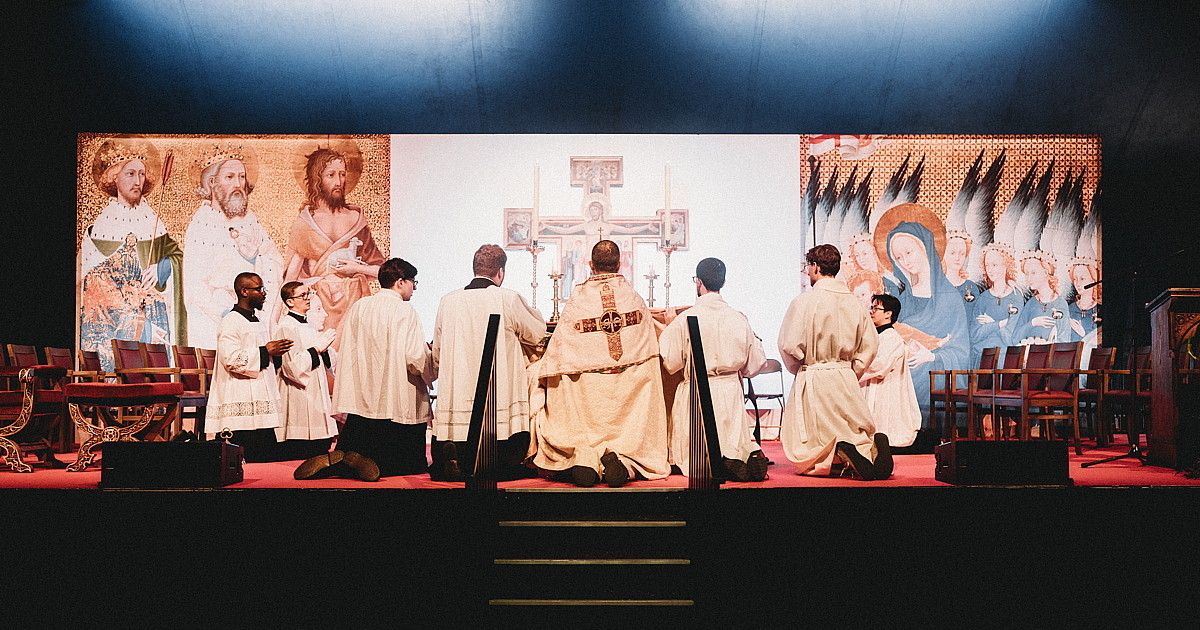
The Church has recognised the sanctity of people of all ages and races, but this young English-Italian saint is unique. None has had his social-media presence among young people, but his sincerity and holiness is appreciated by those of all ages. Fr Michael Collins is the author of God’s In fluencer: A Short Biography of Carlo Acutis (Orpen Press, £8.99) (Photo by Christopher Furlong/Getty Images)<a href="https://www.gettyimages.es/license/2205839322?adppopup=true"></a><a href="https://www.gettyimages.es/license/2205857470?adppopup=true"></a> <strong>This article appeared in the April edition of the <em>Catholic Herald</em>. To subscribe to our award-winning, thought-provoking magazine and have independent, high-calibre, counter-cultural and orthodox Catholic journalism delivered to your door anywhere in the world click <a href="https://catholicherald.co.uk/subscribe/?swcfpc=1"><mark>HERE</mark></a></strong>.

subscribe to
the catholic herald

Continue reading your article with a subscription.
Read 5 articles with our free plan.
Subscribe

subscribe to the catholic herald today

Our best content is exclusively available to our subscribers. Subscribe today and gain instant access to expert analysis, in-depth articles, and thought-provoking insights—anytime, anywhere. Don’t miss out on the conversations that matter most.
Subscribe